Working at Height Basic Course: Prevent Falls & Work Safely
Learn why a Working at Height Basic Course is essential. Discover how to prevent falls, improve workplace safety, and comply with safety regulations.
Lees meer
Working at height involves risks that are often underestimated. Whether the job involves working on a ladder, scaffold, mobile elevating work platform (MEWP), roof, or steel structure, a brief moment of inattention can have serious consequences. Every year, many workplace accidents still occur as a result of falls from height, often leading to severe injuries or even fatalities.
That is why a Basic Working at Height Course is not only important but, in many situations, essential.

Many workers believe that a quick task on a ladder or a few minutes on a roof presents little risk. In reality, routine tasks are often the ones that lead to accidents. A poor judgement, an unsafe workplace, or the absence of appropriate fall protection can be enough to cause a serious incident.
The risk of falling is not limited to great heights. Even a fall from just a few metres can result in serious injury, long-term absence from work, and significant costs for both employees and employers.
A Basic Working at Height Course teaches employees how to recognise hazards before starting a job. Participants gain knowledge of topics such as:
With this knowledge, employees are better equipped to make informed decisions and work safely.
Health and safety legislation requires employers to provide a safe working environment for their employees. This includes ensuring that workers receive adequate instruction and training whenever their work involves risks.
When employees work at height without sufficient knowledge or training, organisations not only increase safety risks but may also be held liable in the event of an accident. A Basic Working at Height Course helps employers fulfil their duty of care.
One of the greatest benefits of a Basic Working at Height Course is the improvement in safety awareness. Employees not only learn how to work safely but also understand why specific safety measures are necessary.
This often results in:
As a result, safety becomes a shared responsibility for everyone in the workplace.
A workplace accident often has far-reaching consequences. In addition to personal suffering, organisations may face costs related to sick leave, replacement staff, compensation claims, fines, and lost productivity.
Investing in a Basic Working at Height Course is therefore not only an investment in safety but also in the continuity of the business. Preventing accidents is almost always more cost-effective than dealing with their consequences.
A Basic Working at Height Course is suitable for anyone whose work involves working at height. It is also highly valuable for supervisors and managers who are responsible for planning or overseeing work at height.
Conclusion
Working at height involves risks that should never be underestimated. With the right knowledge and practical skills, many accidents can be prevented. A Basic Working at Height Course enables employees to recognise hazards, apply the correct safety measures, and work responsibly.
That is why this course is not simply beneficial—it is essential for anyone who carries out work at height. After all, safe working starts with knowing how to work safely.
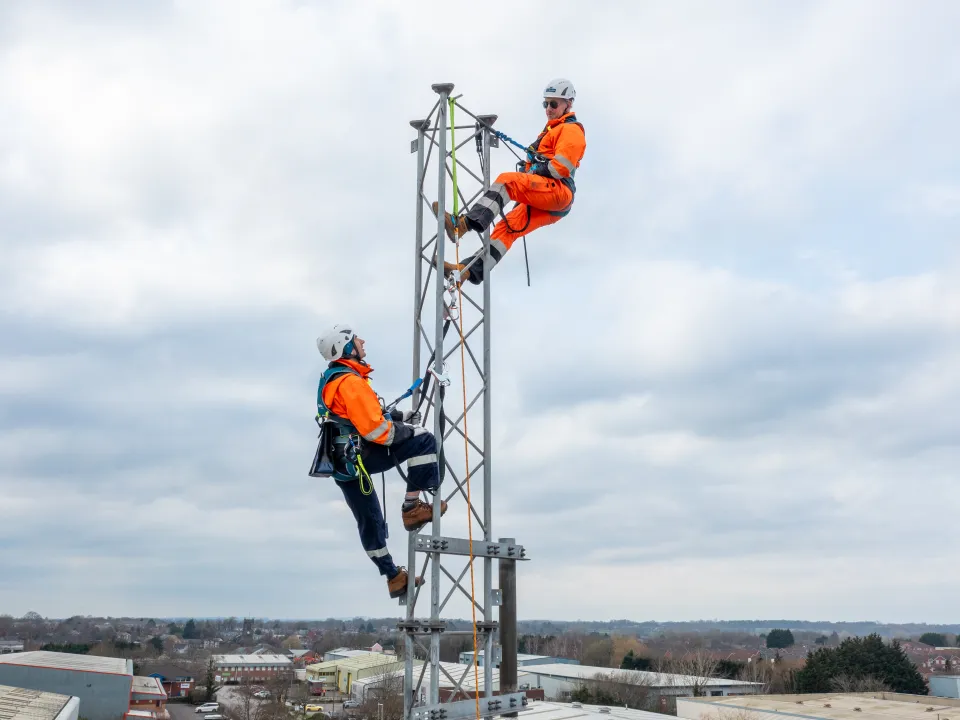
Working at Height Basic Course: Prevent Falls & Work Safely
Learn why a Working at Height Basic Course is essential. Discover how to prevent falls, improve workplace safety, and comply with safety regulations.
Lees meer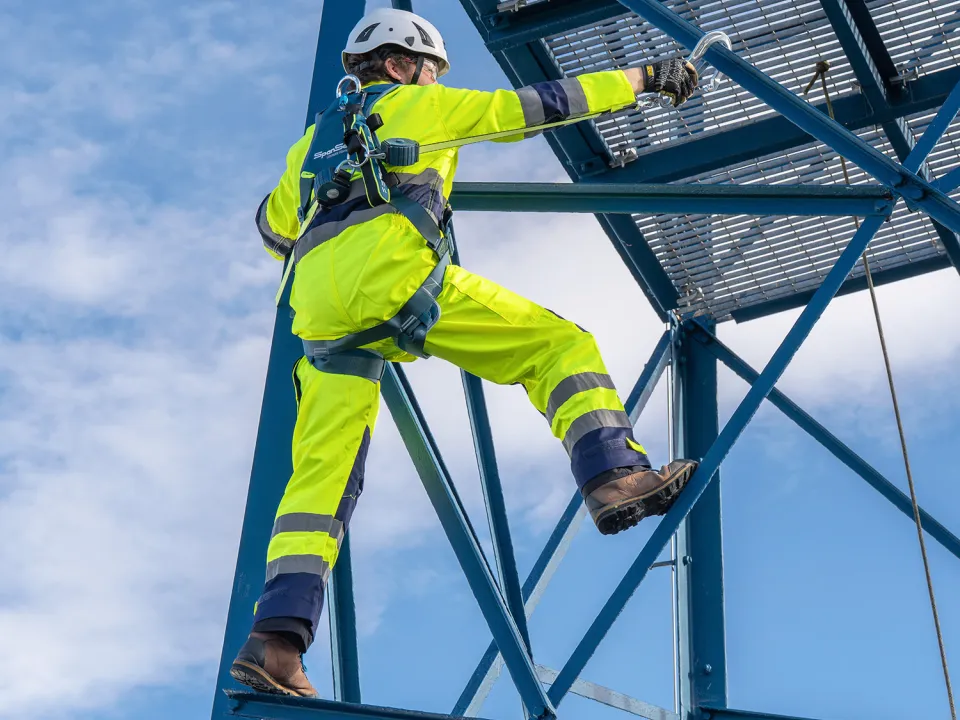
Most effective lanyard, Fall arrest in less than 2 metres!
DSL3 Stops the fall in less than two metres! Undoubtedly the best solution for places where free fall space is limited such as scaffolding.
Lees meer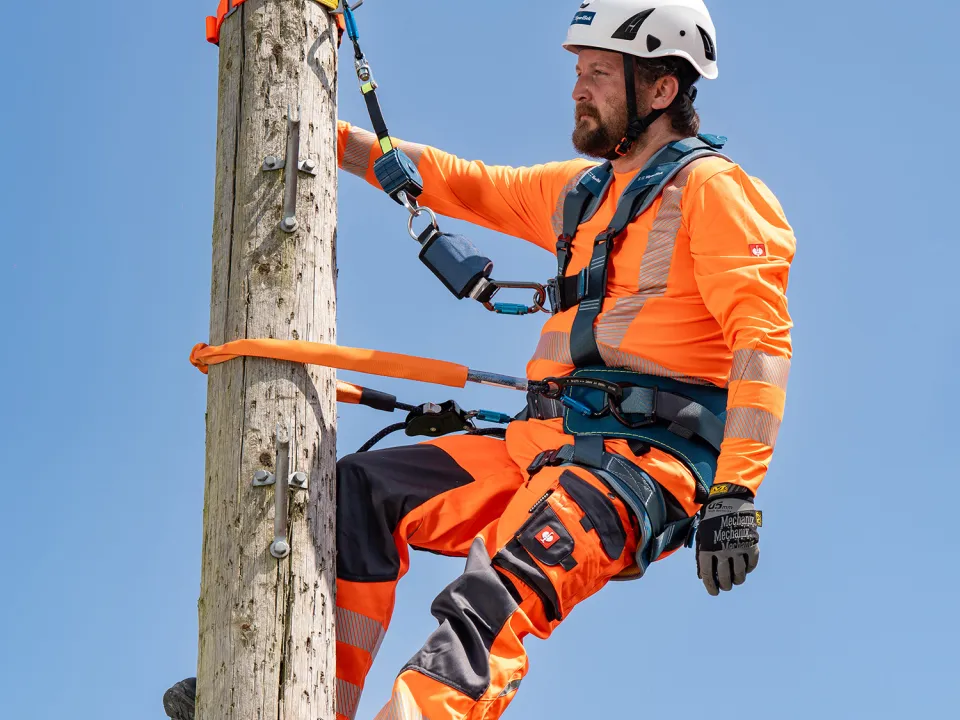
Harness for industrial climbers in electrical distribution and telecoms
Lightweight professional work positioning harness for electrical and telecoms climbers, providing secure hands-free support, comfort and freedom of movement for work on pylons, masts and poles.
Lees meer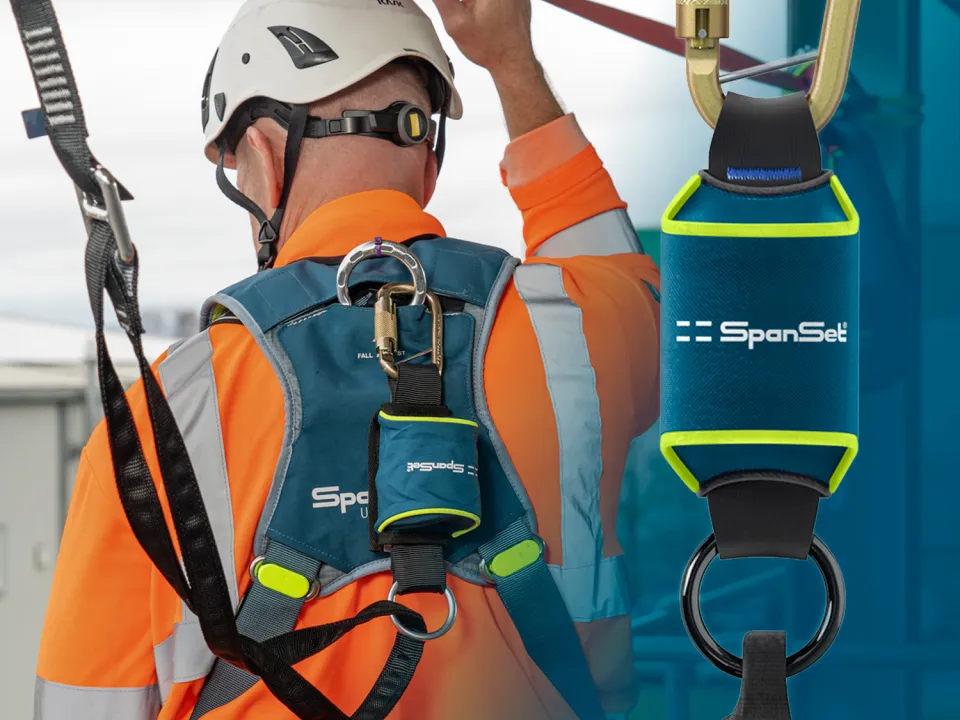
SP150 Energy Absorbing Lanyard Range
Energy absorbing lanyards designed and manufactured by SpanSet to EN355 for use by workers up to 150kg.
Lees meer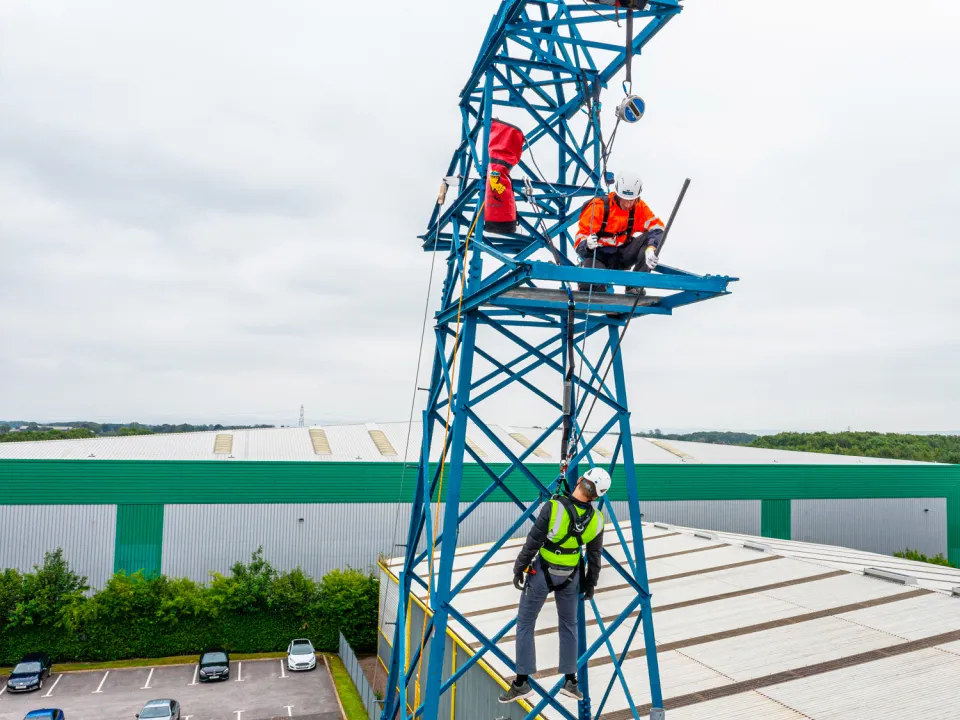
Difference between rescue and evacuation equipment gotcha
In all safety work at height we must have rescue and evacuation measures, know the options and check their applications.
Lees meer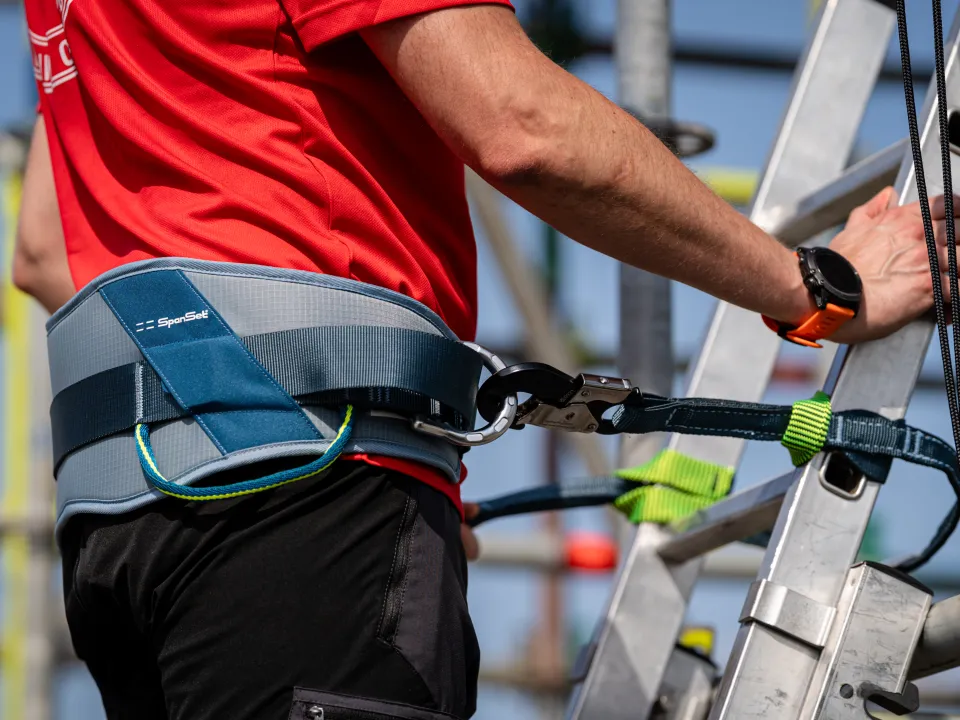
ClipStile ladder safety – innovative solution for secure work on temporary ladders
ClipStile is a modern ladder safety system developed by SpanSet and HSS Training – designed to stabilise ladders, ensure safe climbing, and secure working at height.
Lees meer
Required fall clearance — space needed below working level for safe fall protection
Learn what required fall clearance is, why enough free fall space is vital for fall protection, and how to calculate it with the SpanSet Fall Clearance Calculator.
Lees meer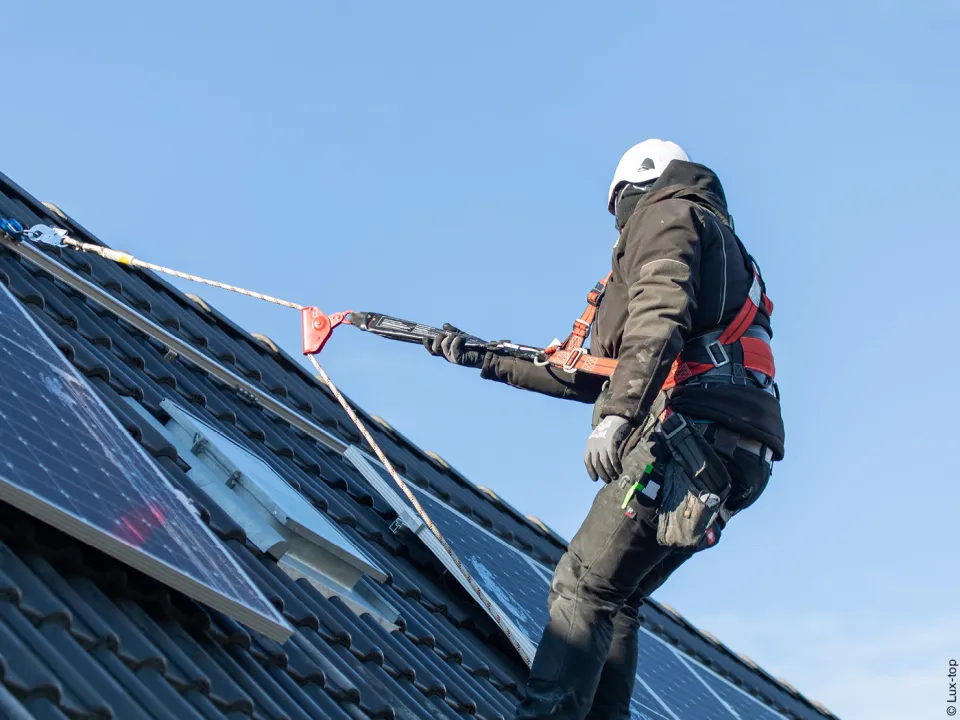
Safe working on sloped roofs – fall protection, risks & best practices
Discover why fall protection is crucial when working on sloped roofs, common risks and practical safety measures to prevent falls and injuries.
Lees meer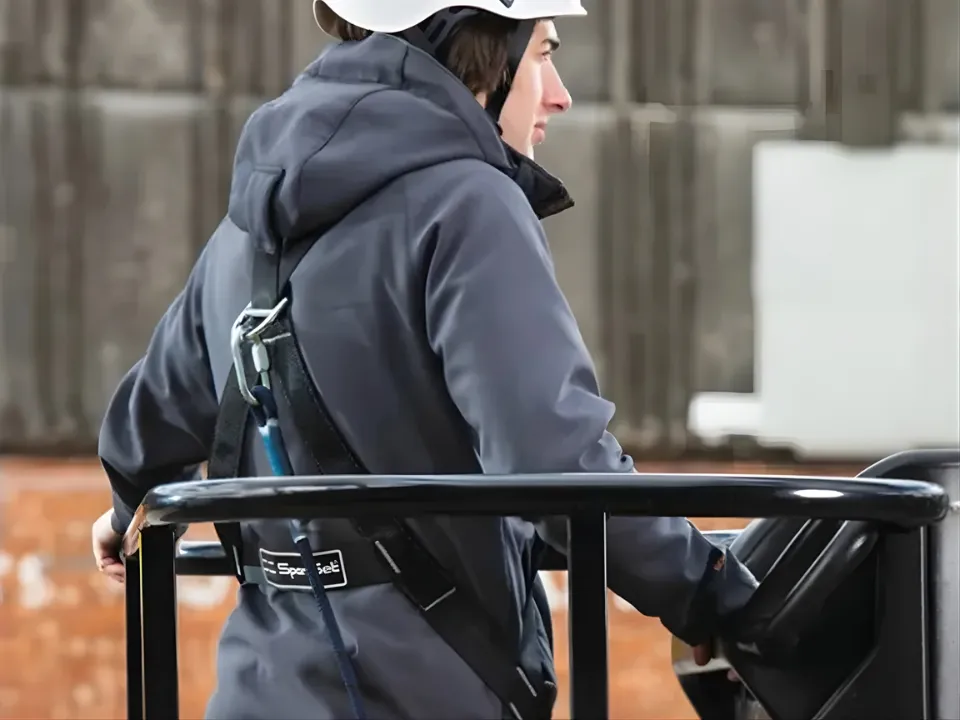
Safe working with an aerial work platform – fall protection & guidelines
Learn about fall protection, risks and safety requirements for working in aerial work platforms, including use of harnesses and correct attachment points.
Lees meer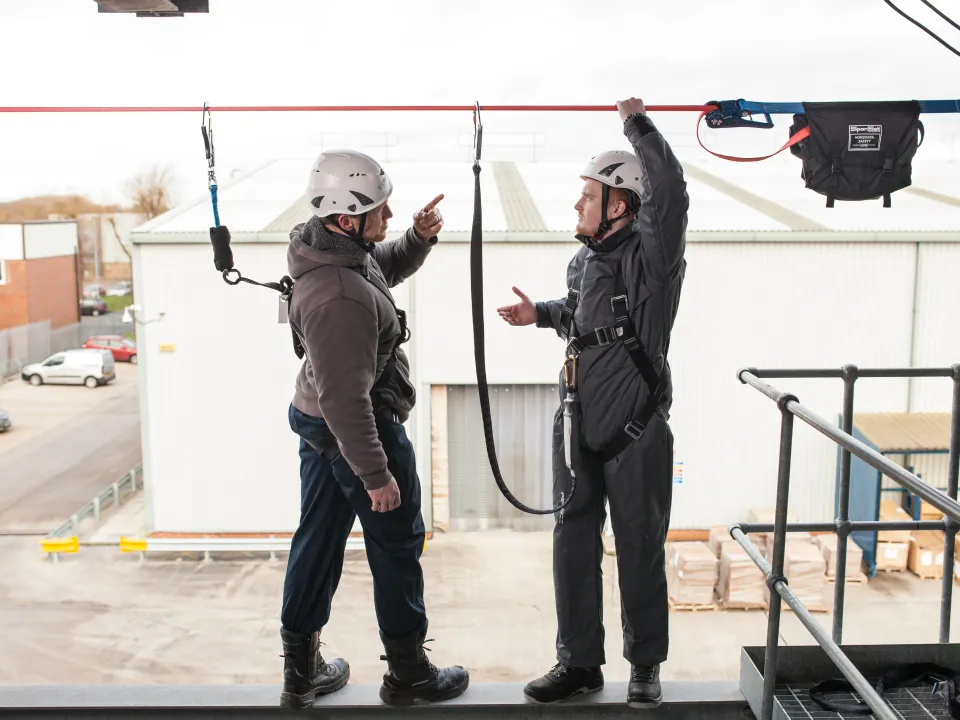
Safe working at height – guidance, regulations & fall protection | SpanSet
Working at height involves risks, which is why there are strict rules and legislation in the Netherlands to ensure the safety of workers. In this blog post, we discuss the key laws and regulations related to working at height and provide practical tips for working safely.
Lees meer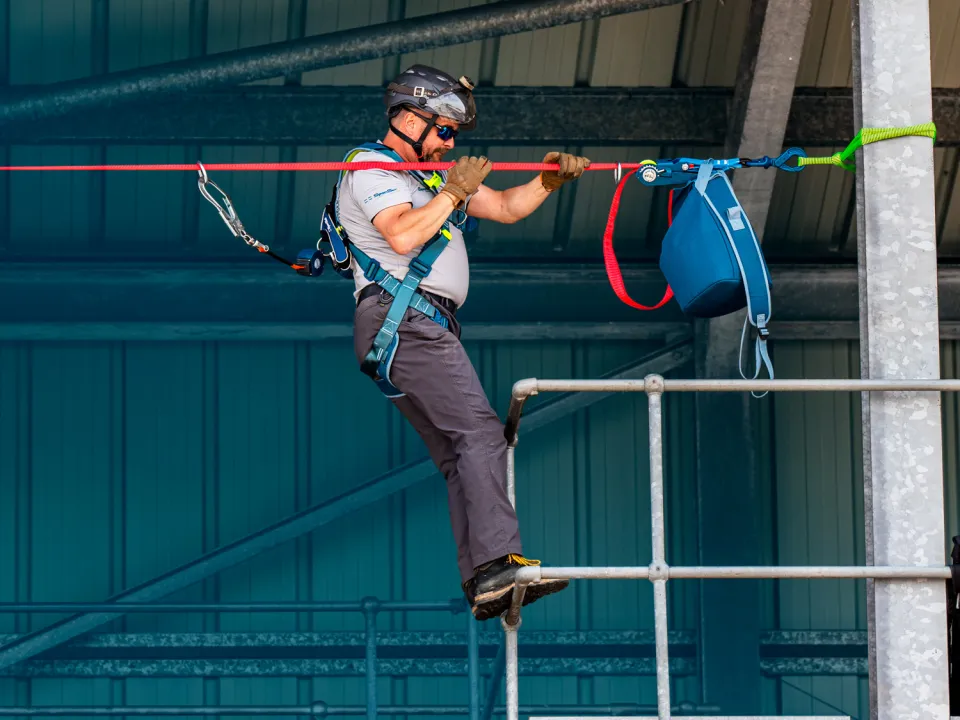
HSL2 horizontal safety line – reliable temporary fall protection
SpanSet HSL2 is a temporary horizontal safety line with patented tension force and wear indicators, providing up to 20 m of secure fall protection at height.
Lees meer