A safety helmet is a crucial piece of protective gear designed to safeguard construction workers from injuries caused by falling objects, impacts, or other hazards on-site. Without a safety helmet, the risk of severe or fatal accidents significantly increases.
But did you know that safety helmets come in various colors that serve more than just an aesthetic purpose? Each color represents a specific role or responsibility within a construction project.
ANSI/ISEA Safety Helmet Classification
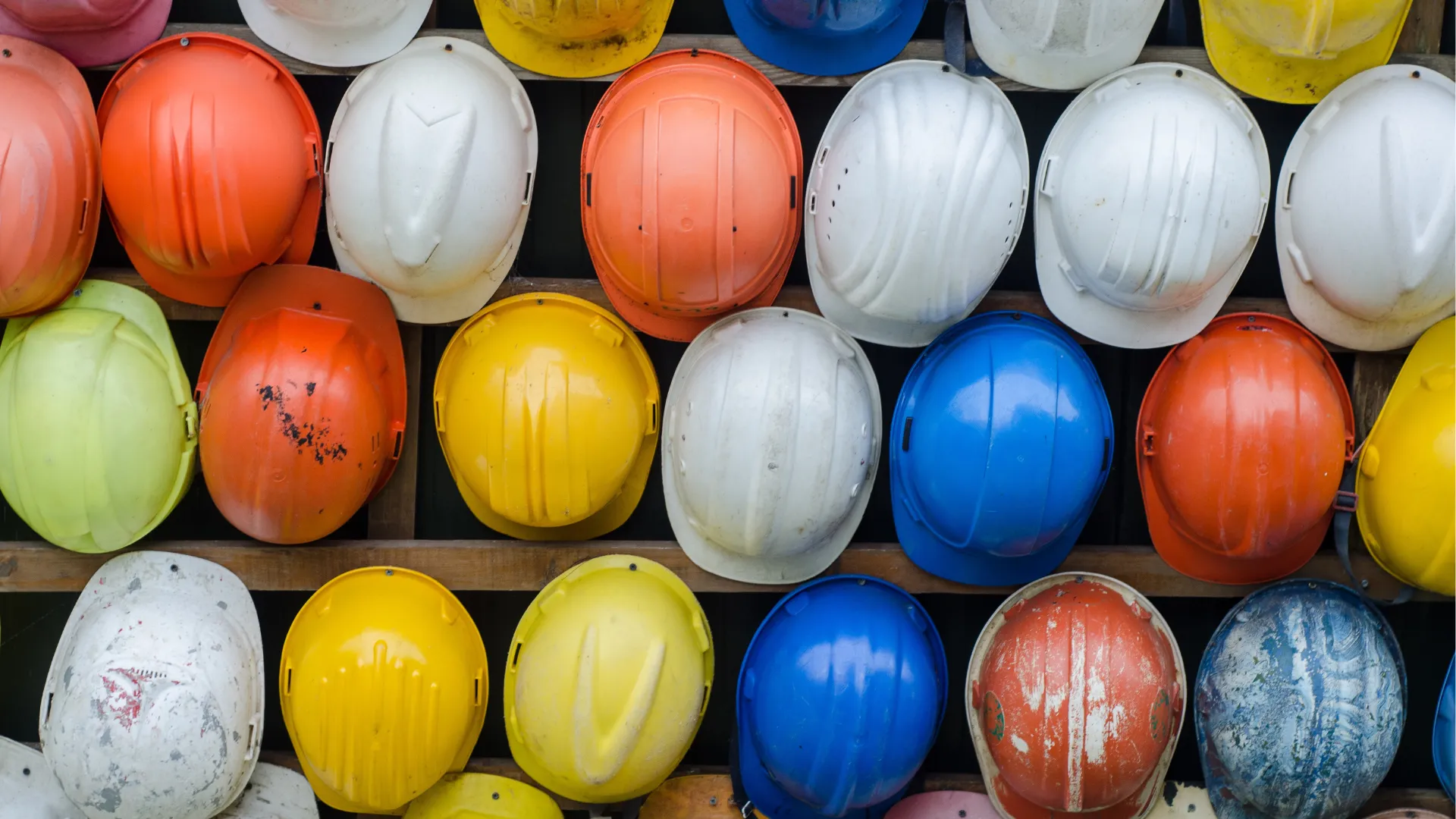
According to ANSI/ISEA, safety helmets are classified into three main categories based on their level of protection, particularly concerning electrical and impact hazards.
1. Class E (Electrical Protection)
Designed to protect against high-voltage electrical hazards up to 20,000 volts, Class E helmets are crucial for workers handling high-voltage equipment, reducing the risk of severe injuries due to accidental contact.
2. Class G (General Protection)
These helmets offer protection against low-voltage electrical hazards up to 2,200 volts and are commonly used by workers operating near low-voltage power sources, providing an extra layer of safety.
3. Class C (Conductive Protection)
Class C helmets focus on impact protection only, without electrical insulation. They are ideal for environments where the primary hazards come from falling objects or impacts, such as construction and manufacturing sites.
Understanding these classifications ensures that construction workers select the appropriate helmet for their job, maximizing on-site safety.
The Meaning Behind Safety Helmet Colors
Safety helmets are not just for protection—they also serve as role identifiers within a construction site. Each color represents a different responsibility, promoting better organization and workplace safety.
1. White – Leadership & Project Management
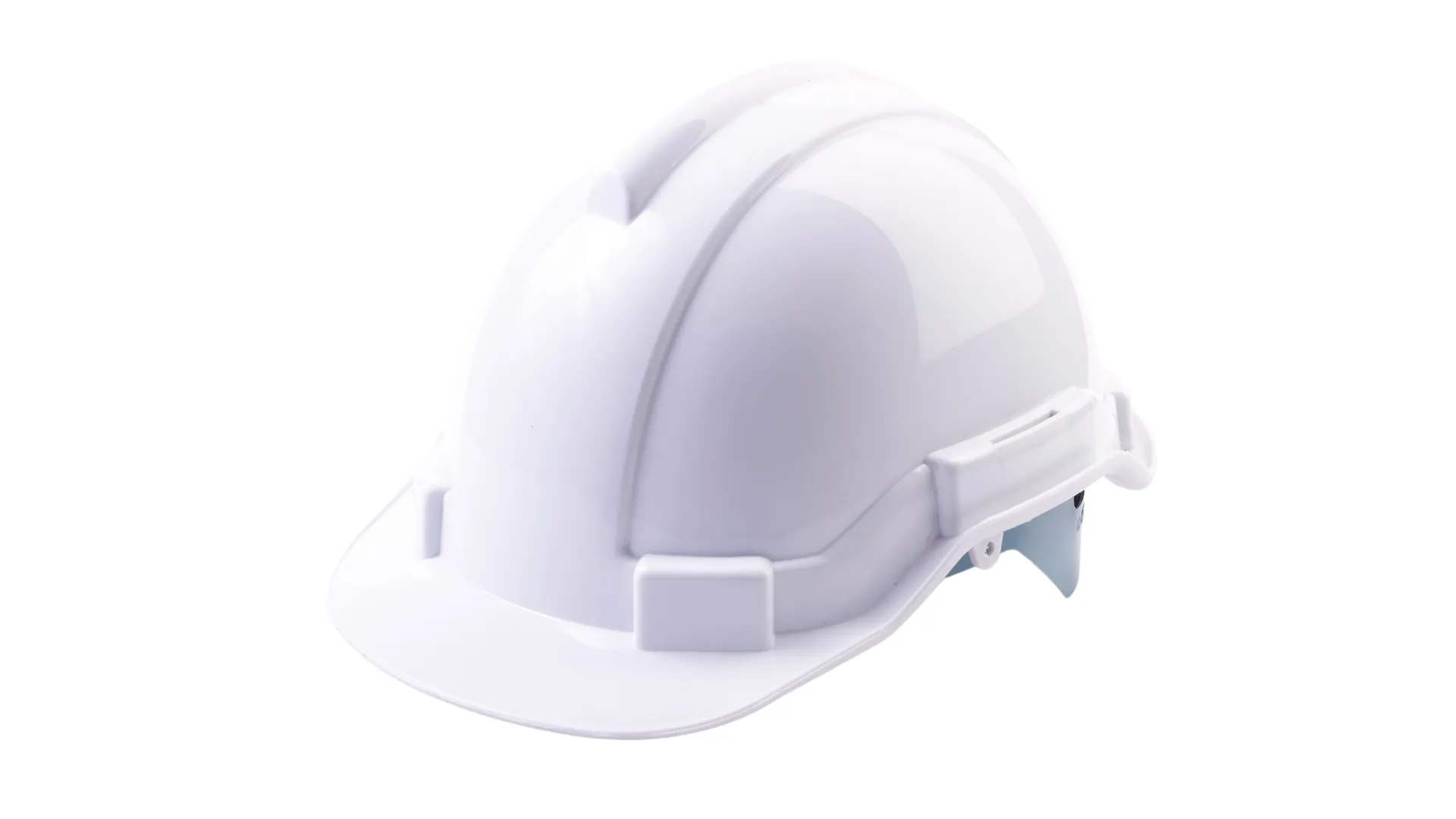
White helmets signify leadership and authority in construction. Typically worn by:
- Project managers, engineers, and supervisors, responsible for overseeing operations.
- Contractors and site inspectors, ensuring compliance with safety regulations.
Some companies use striping systems on white helmets for further distinction:
- Site Engineers: Plain white helmet with one 8mm stripe.
- Supervisors: White helmet with two 8mm stripes.
- Project Managers: White helmet with three 8mm stripes plus one 15mm stripe on top.
- Visitors: Plain white helmets with no additional markings.
2. Blue – Technical Specialists & Machine Operators
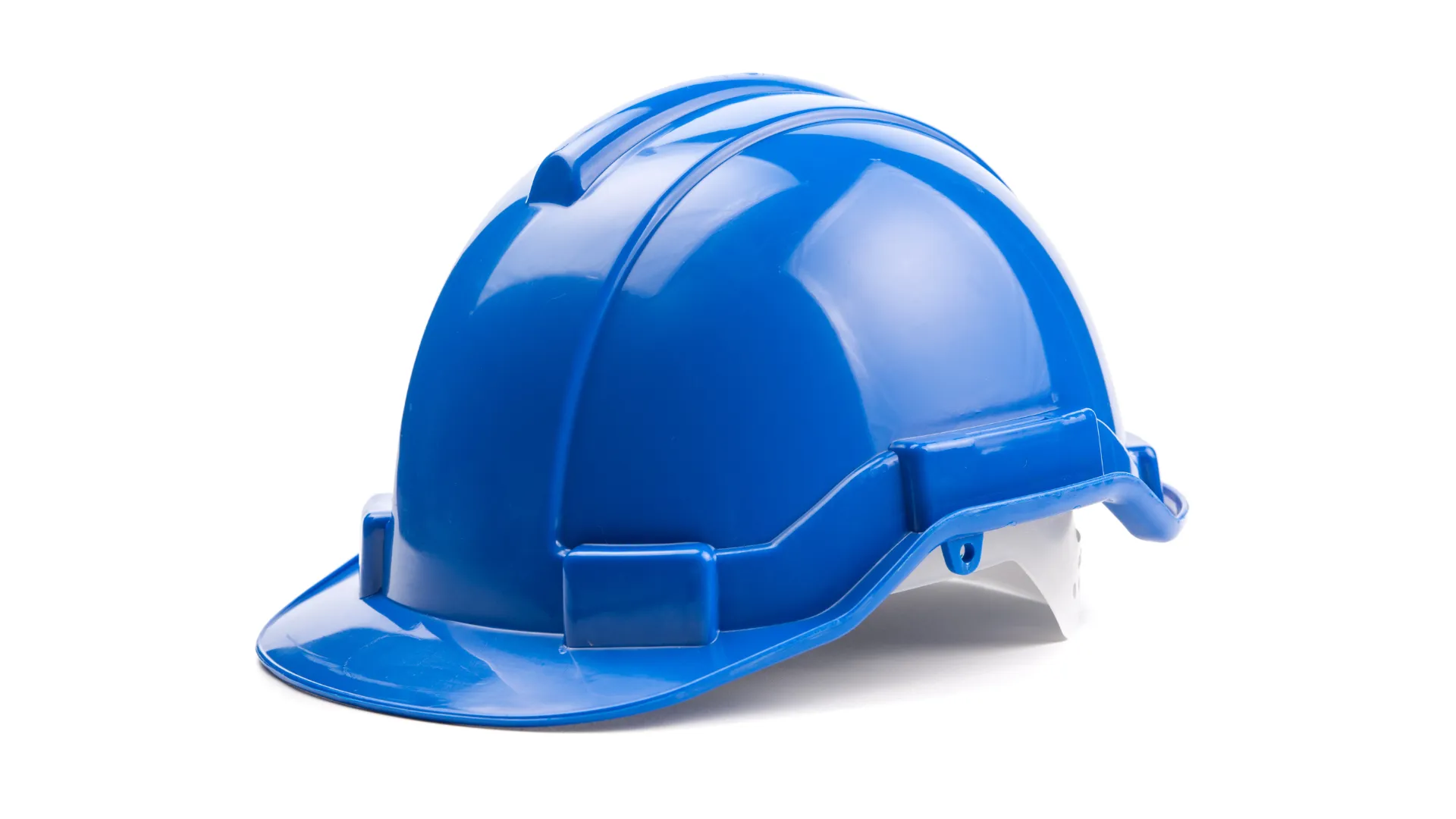
Blue helmets are worn by professionals with technical expertise, such as:
- Electricians and mechanical engineers working on-site.
- Heavy equipment operators, including forklift, bulldozer, and crane operators.
- Temporary supervisors overseeing project execution.
3. Red – Safety Officers & Fire Marshals
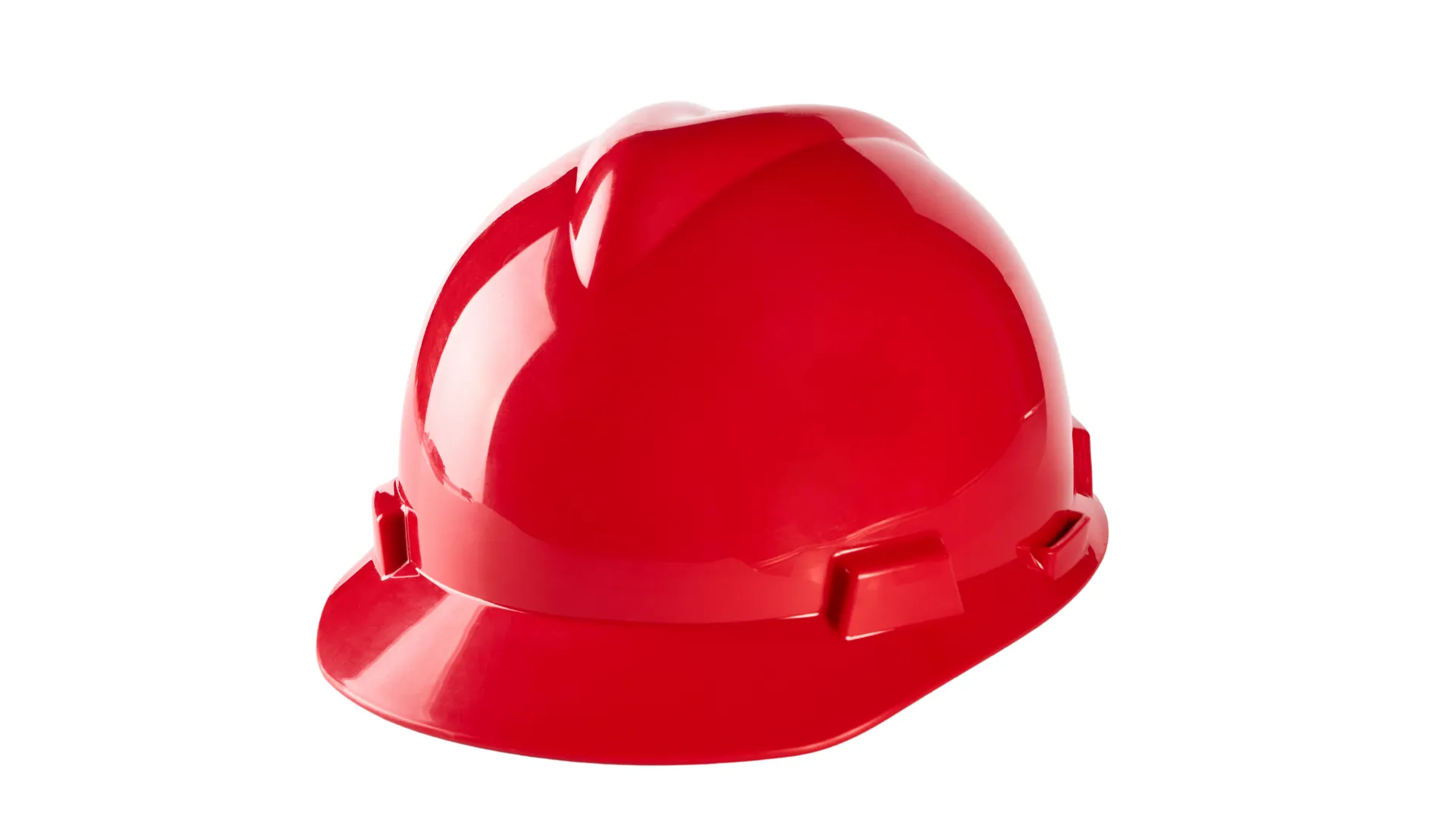
Red helmets symbolize safety and emergency response. They are worn by:
- Health, Safety, and Environment (HSE) officers, ensuring workplace safety compliance.
- Fire safety personnel, responsible for fire prevention and emergency preparedness.
4. Yellow – General Workers & Contractors
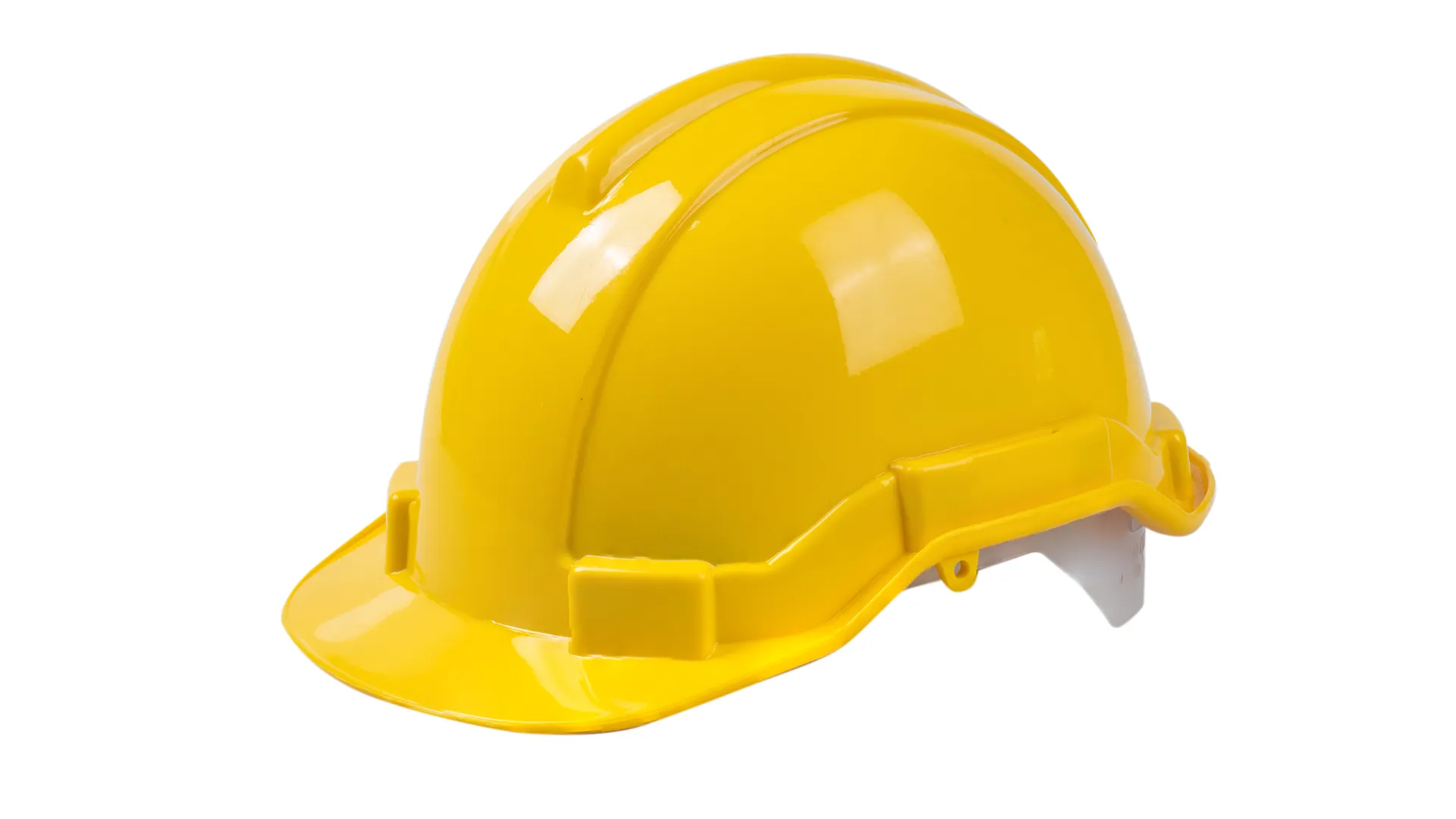
Yellow helmets are most commonly seen on construction sites and are assigned to:
- General laborers and subcontractors working in high-risk zones.
- Workers handling heavy machinery, enhancing visibility for safety.
To further improve safety, workers wearing yellow helmets are also required to use high-visibility vests.
5. Green – Environmental Officers & Inspectors
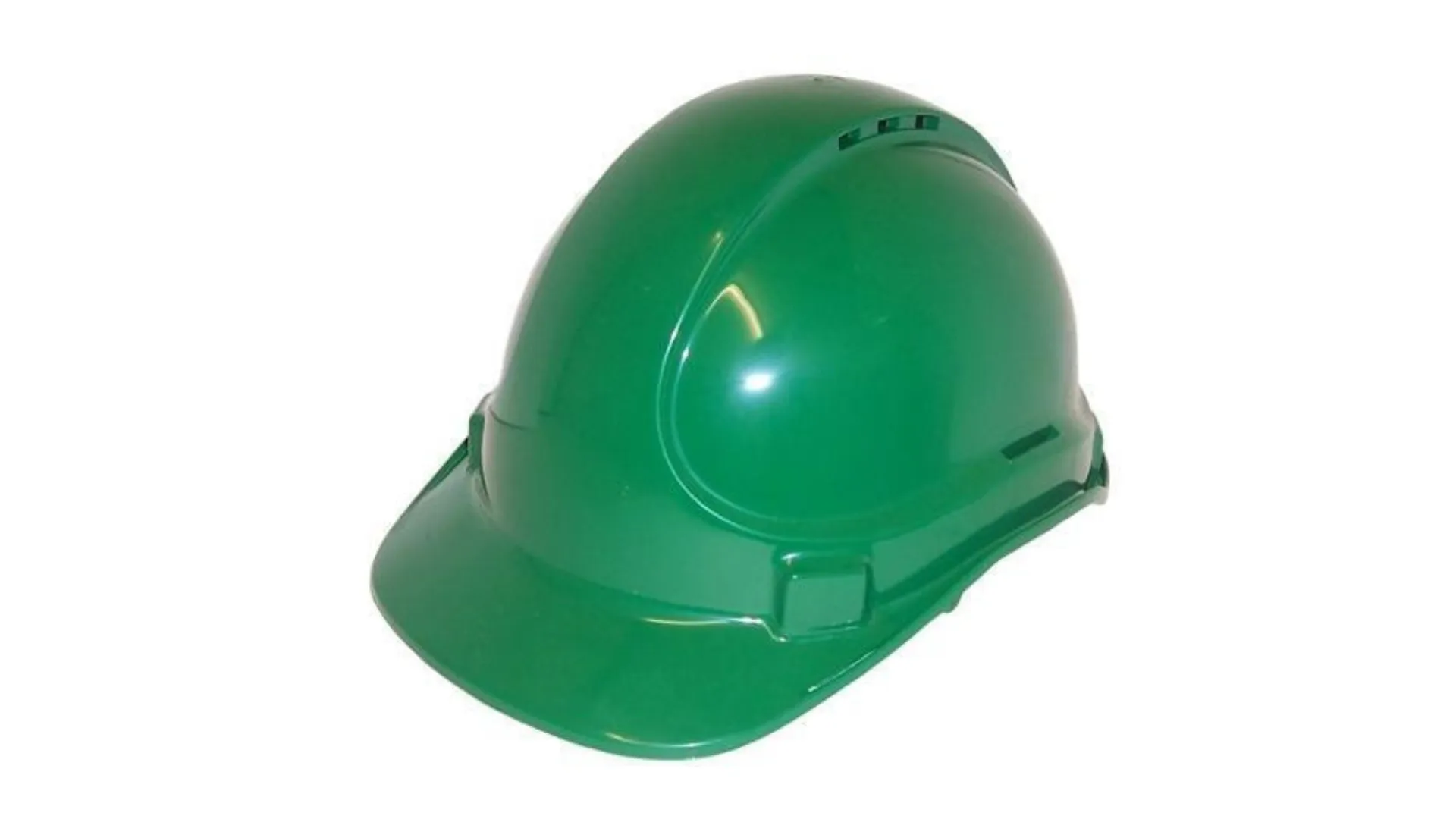
Green helmets are designated for personnel responsible for environmental management, such as:
- Environmental inspectors ensuring minimal ecological impact.
- Waste management teams, responsible for site cleanliness.
This color aligns with environmental awareness and "Go Green" initiatives in construction projects.
6. Orange – Visitors & Temporary Staff
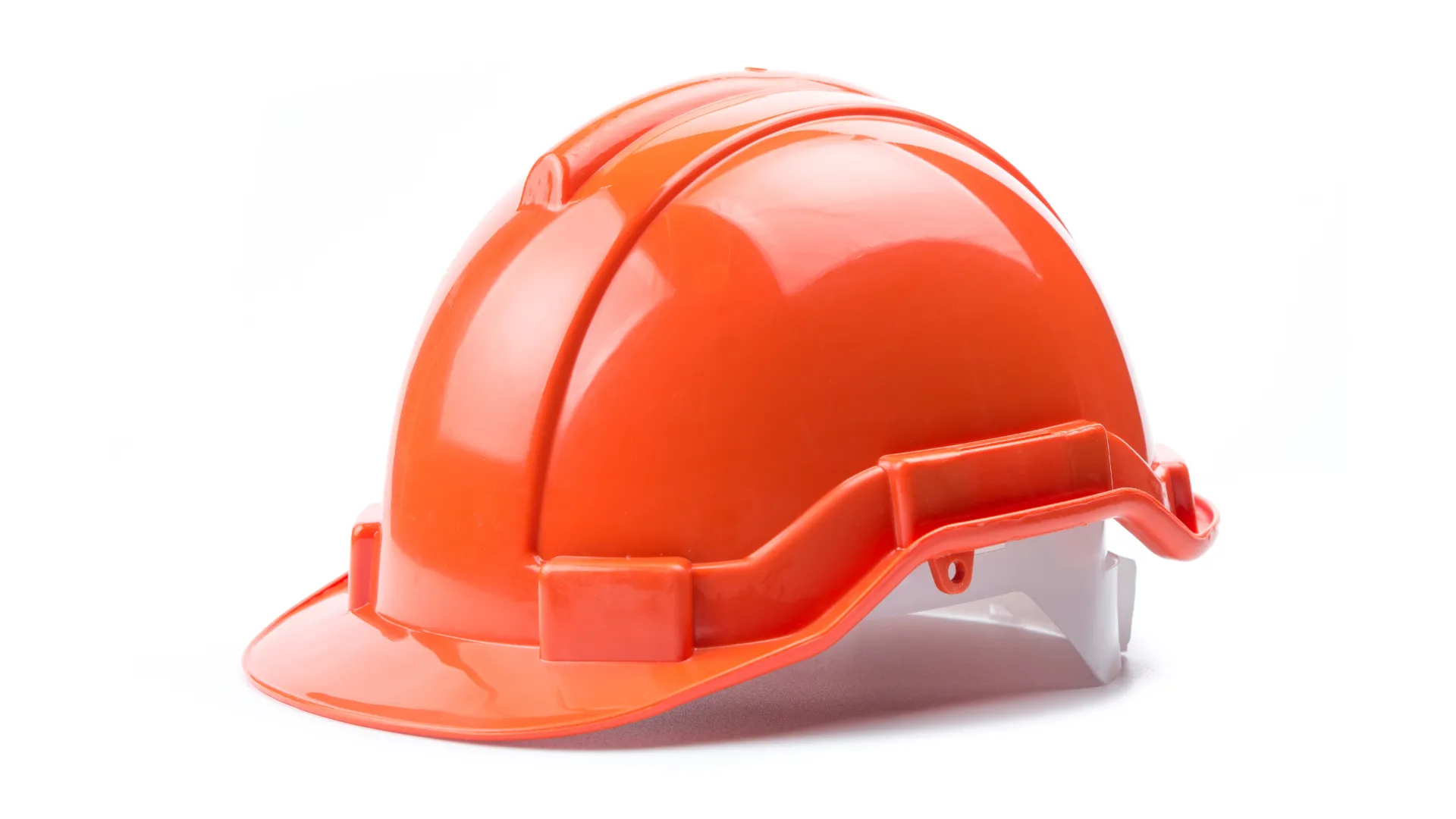
Orange helmets help distinguish temporary visitors on a construction site. These helmets:
- Ensure easy identification for supervisors and workers.
- Indicate that the wearer is not involved in direct construction work.
By understanding the significance of these helmet colors, construction teams can maintain better coordination, safety, and efficiency on-site.
Read also: 7 PPE Requirements for Those of You Who Work at Heights
Safety Helmet Lifespan: When to Replace It?
Safety helmets have a limited lifespan to ensure optimal protection. Their durability depends on material composition and workplace conditions.
- Thermoplastic helmets (polyethylene, polypropylene): Typically last 3 to 5 years, but should be replaced immediately after any impact.
- Thermoset helmets (fiberglass, epoxy resin): More durable, lasting 5 to 8 years.
To determine a helmet’s manufacturing date, check the inner shell markings, which include:
- First digit = Decade (e.g., "0" = 2000s).
- Second digit = Year within that decade (e.g., "4" = 2004).
- Arrow symbol = Month of production (e.g., "9" = September).
If a helmet shows visible cracks, discoloration, or structural weakness, it should be replaced immediately for maximum safety.
Looking for High-Quality Safety Helmets? Choose SpanSet!

FAQ: Pertanyaan Paling Sering Soal Helm Proyek
Apa arti helm putih di proyek konstruksi?
Helm putih menandakan pemakai memiliki posisi kepemimpinan atau pengawasan — seperti manajer proyek, kepala proyek, kepala pelaksana, atau insinyur senior. Jumlah strip di helm putih menunjukkan level jabatannya secara spesifik.
Siapa yang memakai helm putih di proyek?
Manajer proyek, kepala proyek, kepala pelaksana, pelaksana lapangan, dan insinyur. Tamu proyek juga kadang diberi helm putih polos (tanpa strip) sebagai penanda pengunjung. Beberapa proyek menggunakan helm oranye khusus untuk tamu.
Berapa strip helm putih kepala proyek?
Kepala proyek memakai helm putih dengan 3 strip (masing-masing 8 mm) ditambah 1 strip lebih lebar (15 mm) di bagian atas. Pelaksana memakai 1 strip, dan kepala pelaksana memakai 2 strip.
Apa perbedaan helm putih dan helm kuning di proyek?
Helm putih untuk pimpinan dan pengawas (manajer, insinyur, kepala proyek). Helm kuning untuk pekerja umum dan subkontraktor yang melakukan pekerjaan fisik di lapangan.
Apa arti helm biru di proyek?
Helm biru dipakai oleh tenaga teknis spesialis — teknisi kelistrikan, operator alat berat, pekerja mekanikal-elektrikal (ME), dan supervisor lapangan. Warna biru menandakan keahlian teknis.
Apakah sistem warna helm proyek di Indonesia sudah standar?
Secara umum ya — sistem ini mengacu pada praktik K3 konstruksi yang berlaku luas. Namun beberapa perusahaan atau kontraktor besar bisa memiliki variasi sistem pewarnaan sendiri, selama terdokumentasi dan dikomunikasikan kepada seluruh pekerja.
Apakah helm proyek punya masa kadaluarsa?
Ya. Helm termoplastik umumnya bertahan 3–5 tahun, helm termoset 5–8 tahun. Jika helm pernah terbentur keras, ganti segera — kerusakan internal tidak selalu terlihat dari luar.
A high-quality safety helmet is a vital investment for workplace safety. Ensure your helmet is in top condition and within its service life.
SpanSet offers premium safety helmets that meet the highest safety standards and feature ergonomic designs for construction and industrial use.
👉 Discover the best safety helmets at SpanSet Helmets and prioritize protection for you and your team!