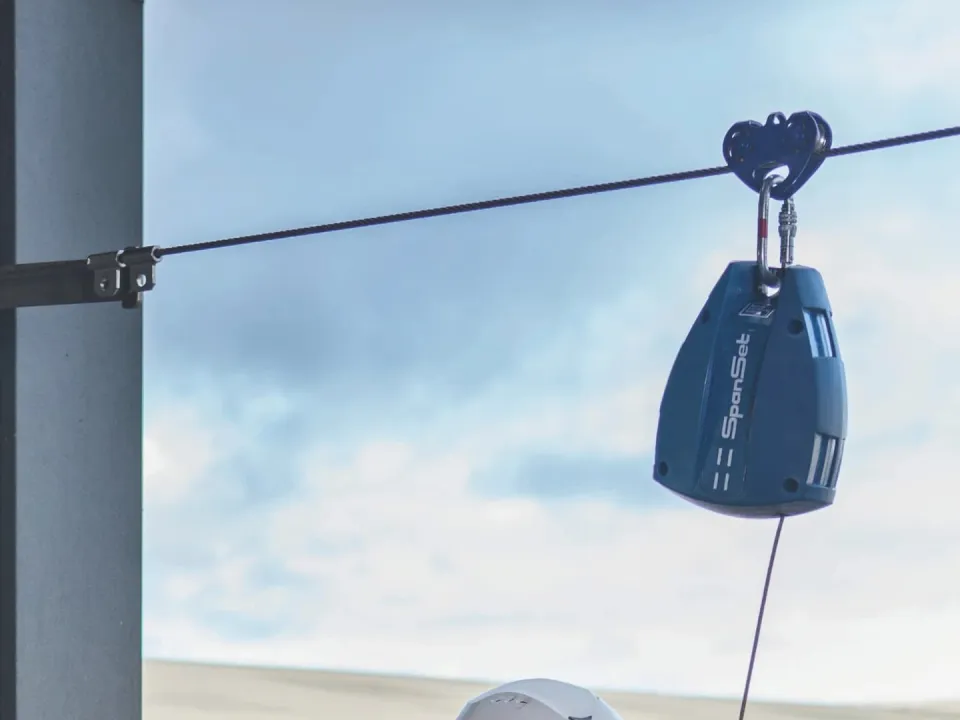
Lifeline Installation

SpanSet has long been providing reliable and trusted wire lifeline and anchor systems.
We help our customers maintain the highest workplace safety standards through safe and professional installations.

Safe installations. It’s what we do.

Chat Now


What Is a Lifeline System?


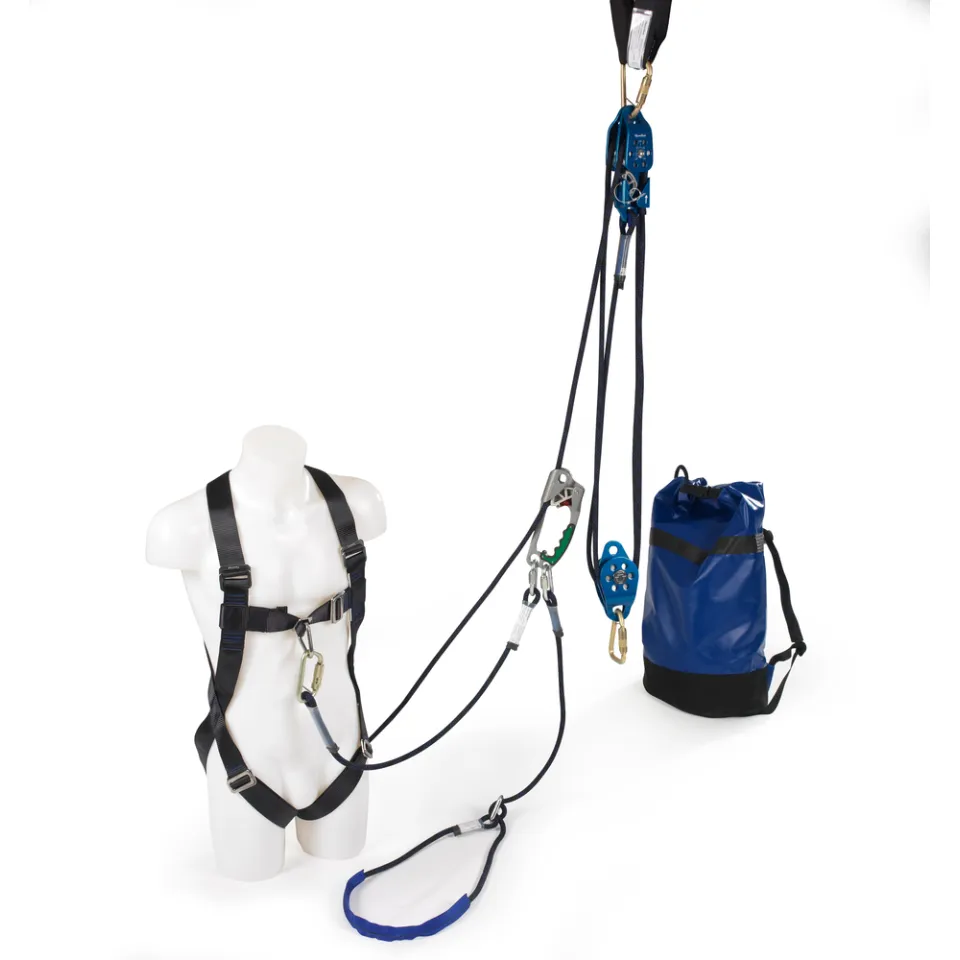
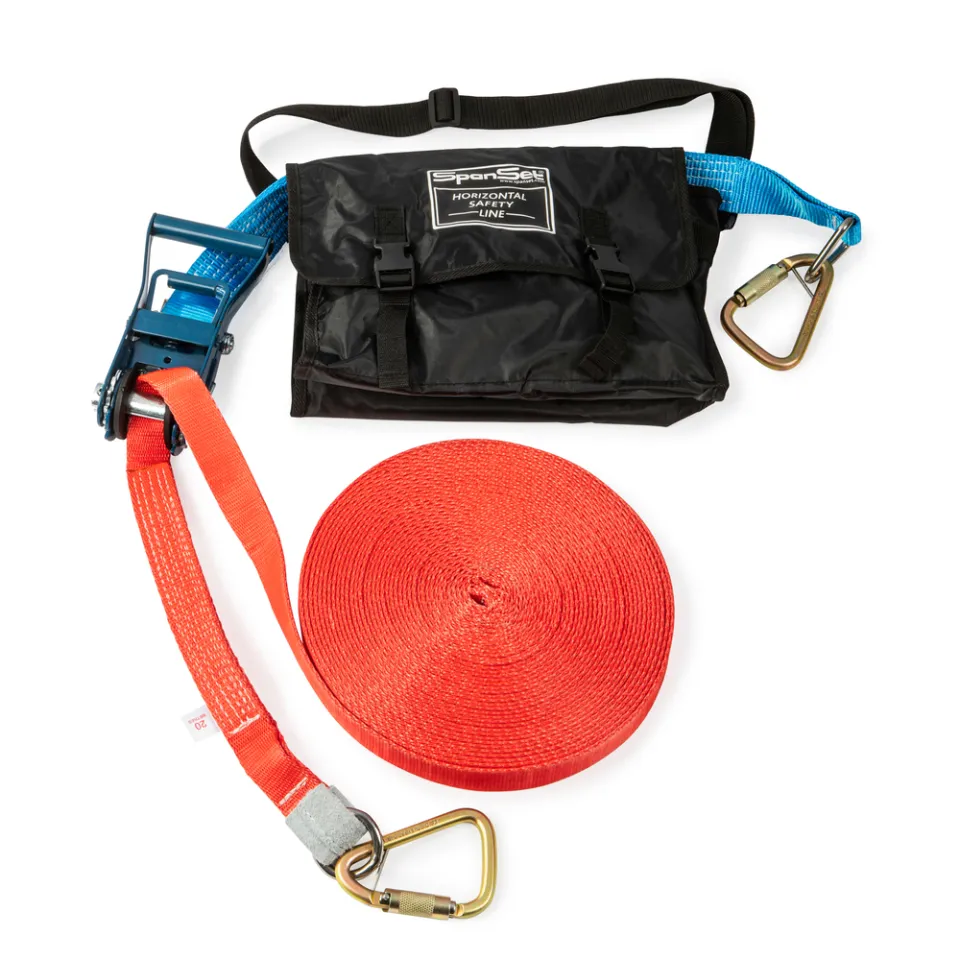
A lifeline system is a safety line system made of rope or steel cable that is installed horizontally or vertically and functions as an anchorage point for workers’ personal protective equipment such as full body harnesses, lanyards, and self-retracting lifelines (SRLs).

This system allows workers to move safely in fall-risk areas, while also serving to arrest and stop a fall in the event of an incident, thereby preventing serious injury or fatality.

Why Is a Lifeline System Mandatory for Work at Height?

Working at height without an adequate safety system can result in:

  • Permanent serious injuries
  • Worker fatalities
  • Project shutdowns
  • Legal sanctions & fines
  • Damage to the company’s reputation

Occupational safety regulations in Indonesia require the use of fall protection systems for work above certain heights. By installing a standards-compliant lifeline system, companies not only protect their workers, but also ensure legal compliance and long-term business sustainability.

Functions and Benefits of a Lifeline System

Proper use of a lifeline system provides clear and measurable benefits:

  1. Prevents falls from height
  2. Safely arrests a fall using an energy absorber
  3. Reduces the risk of fatal injuries by more than 90%
  4. Improves worker confidence & productivity
  5. Meets occupational safety regulations and safety audit requirements
  6. Reduces workplace accident costs & project downtime

Types of permanent Lifelines

SecureClimb

Vertical Lifeline System

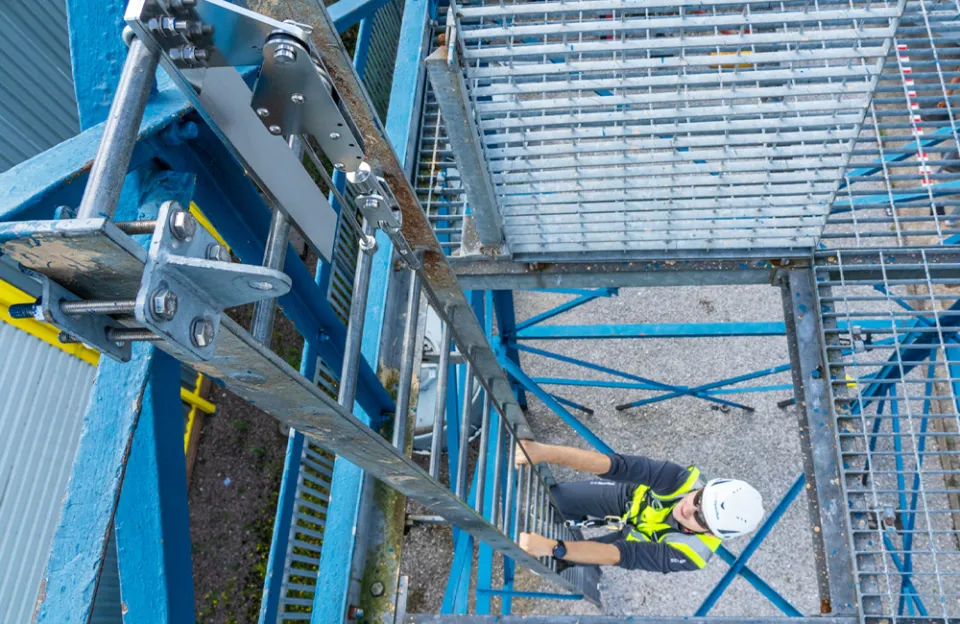
A vertical lifeline system designed to enable hands-free operation, allowing operators to work safely and efficiently while ascending or descending in work-at-height environments. SecureClimb supports smooth and stable vertical movement with a high level of safety in accordance with fall protection standards.

SecureClimb - Installation service >

WorkSecure

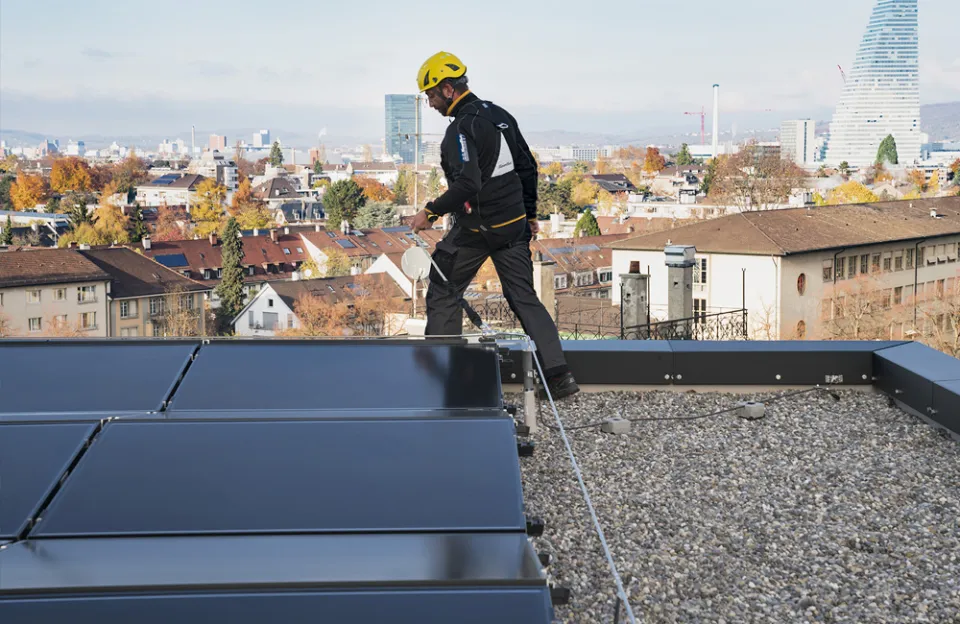
Horizontal Lifeline System

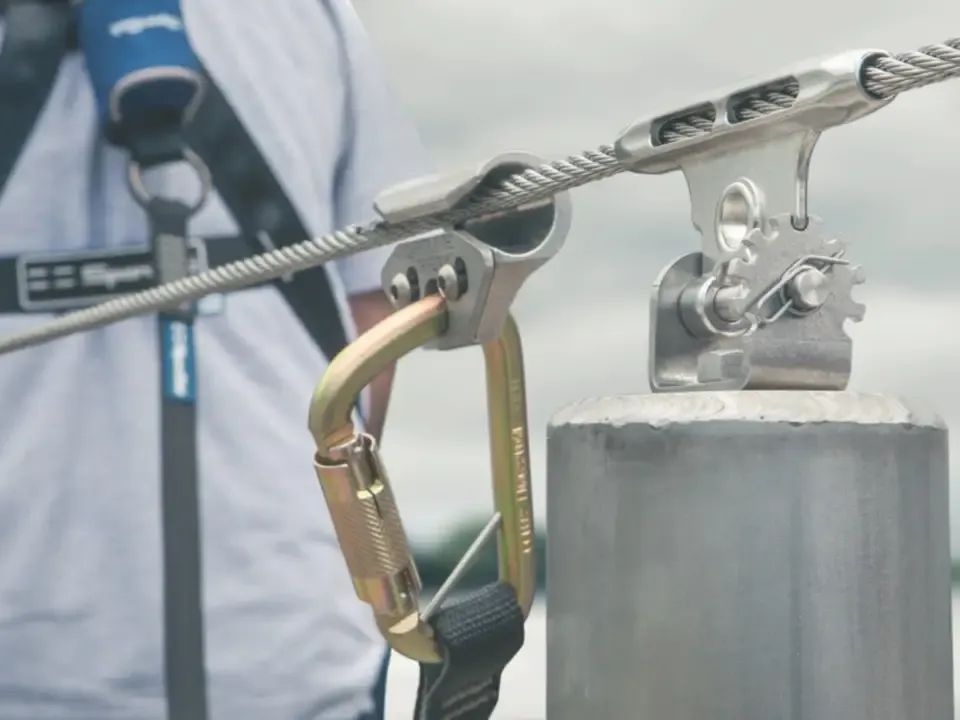
WorkSecure is a horizontal lifeline system designed to provide optimal protection for work teams with a capacity of up to 4 users, each weighing up to 140 kg. The system is compatible with a wide range of roof types, including concrete slabs, profiled roofs, standing seam roofs, and membrane roofs, making it a flexible solution for industrial and commercial applications.

WorkSecure - Installation service >

CAPCHA

Overhead Horizontal Lifeline System

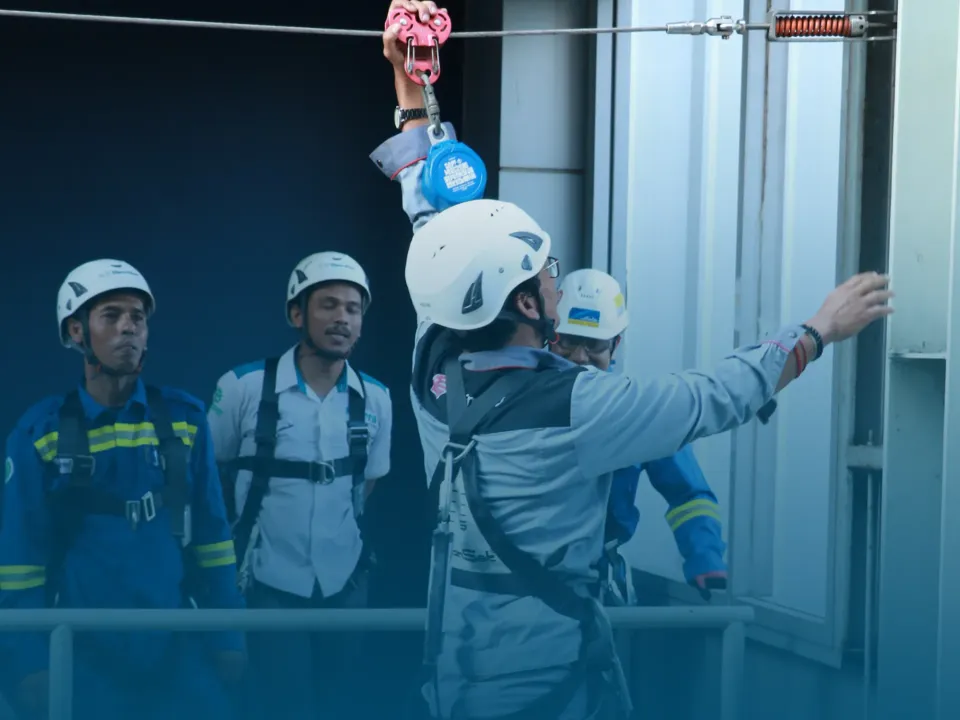
An overhead horizontal lifeline system that enables unobstructed movement along the safety line. Thanks to the rigid rail design of the CAPCHA Workshop system, this solution can support the use of heavier self-retracting fall arrest devices without excessive deflection, thereby improving stability and working comfort.

Capcha - Installation service >

STOPPA

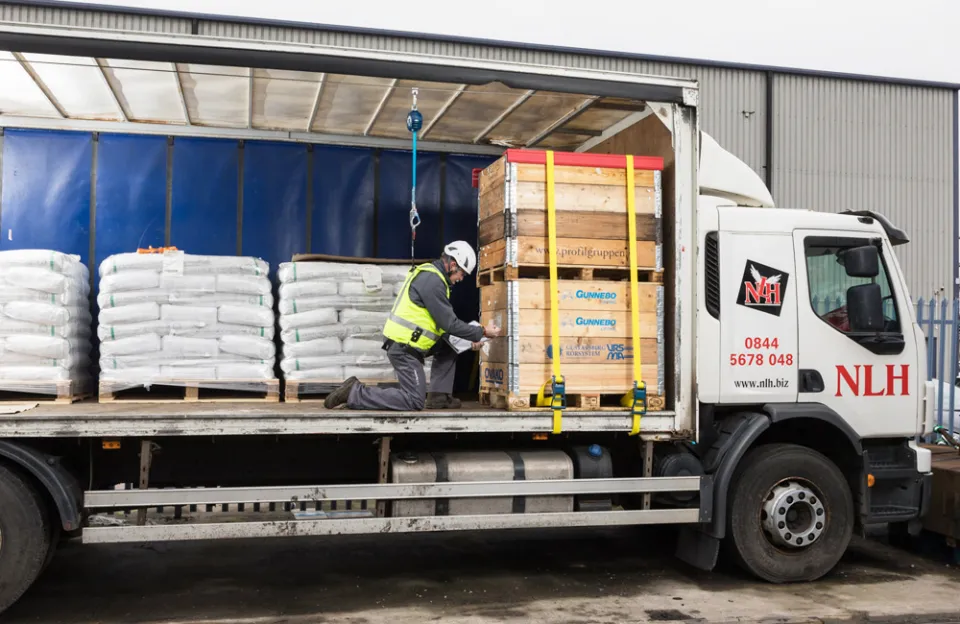
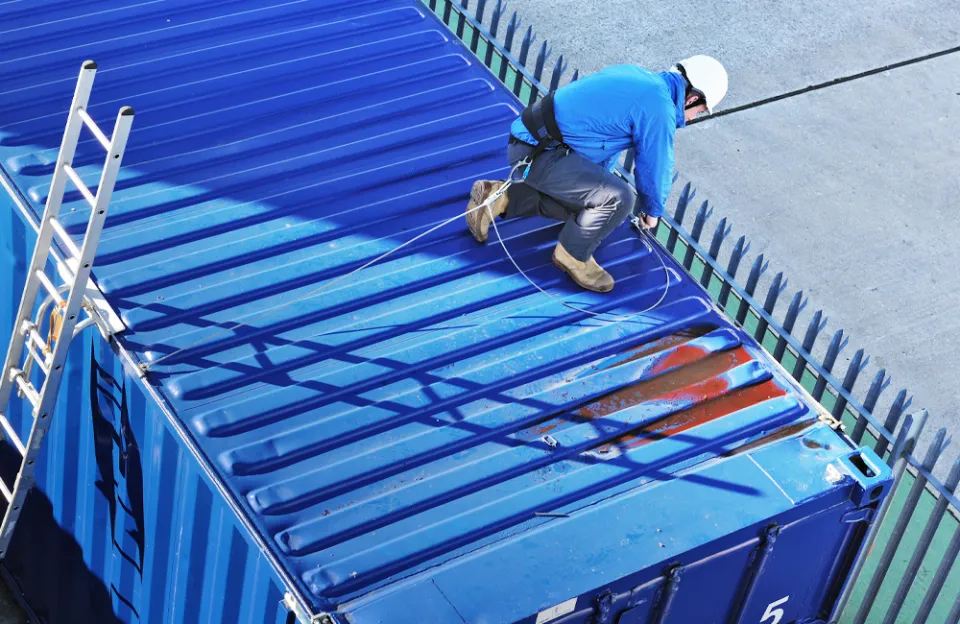
Work Restraint System

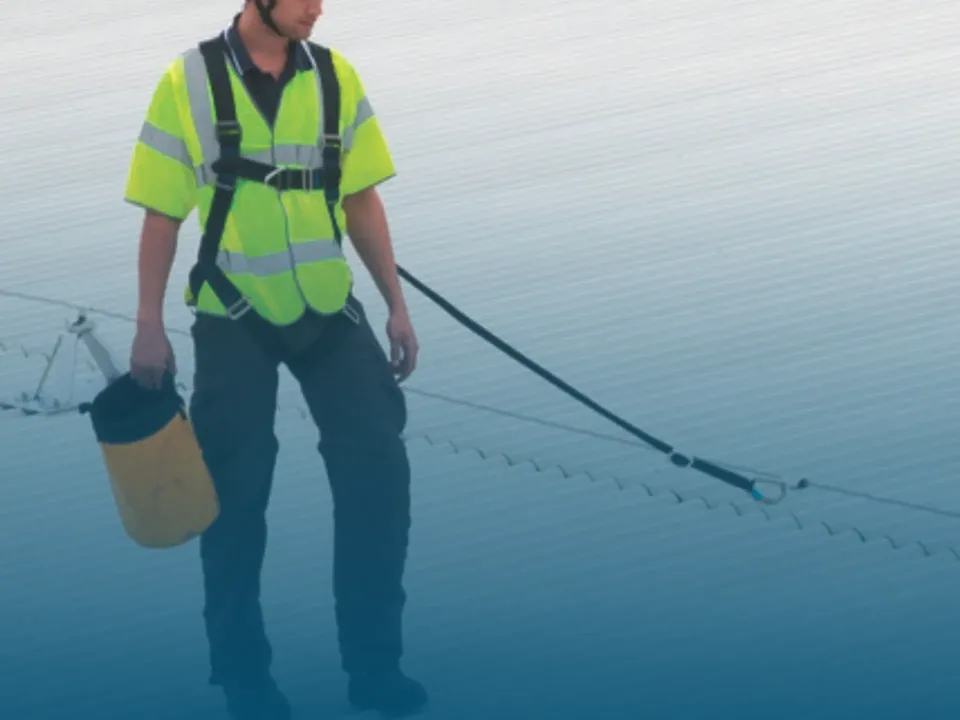
A work restraint system designed to allow workers to access the tops of vehicles or containers, including the entire perimeter edges, without the risk of falling from height. STOPPA functions as an effective fall prevention system for logistics, transportation, and industrial facility applications.

Stoppa - Installation service >

Prosedur Pemasangan Lifeline Sistem

Chat Admin

Site Survey & Risk Assessment

System Design Based on Structure & Work Activities

Installation by Certified Technicians

System Testing & Commissioning

Handover & Complete Documentation

Other Important Things to Know About Lifeline Systems

Lifeline Systems Across Industries

Our lifeline systems are widely used in:

  1. High-rise buildings & rooftops
  2. Industrial plants & warehouses
  3. High-rise construction projects
  4. Telecommunication & energy towers
  5. Airports & transportation facilities

Lifeline Inspection & Testing

We provide the following services:

  1. Daily visual inspections (user guidelines)
  2. Periodic inspection and testing by competent personnel
  3. Minimum inspection interval of every 6 months
  4. Inspection reports & certification
  5. Without proper inspection and testing, lifeline systems may fail when they are most needed.

Standards & Regulations

All lifeline systems by PT SpanSet Indonesia are designed and implemented in accordance with:

  1. Indonesian Ministry of Manpower Regulation (Permenaker) No. 9 of 2016
  2. ANSI Z359 (Fall Protection Code)
  3. EN 795 & CEN/TS 16415
  4. OSHA Fall Protection standards
  5. Relevant Indonesian National Standards (SNI) on Occupational Safety and Health

Video About Safety Lane

Key Components of a Lifeline System

Anchoring Systems

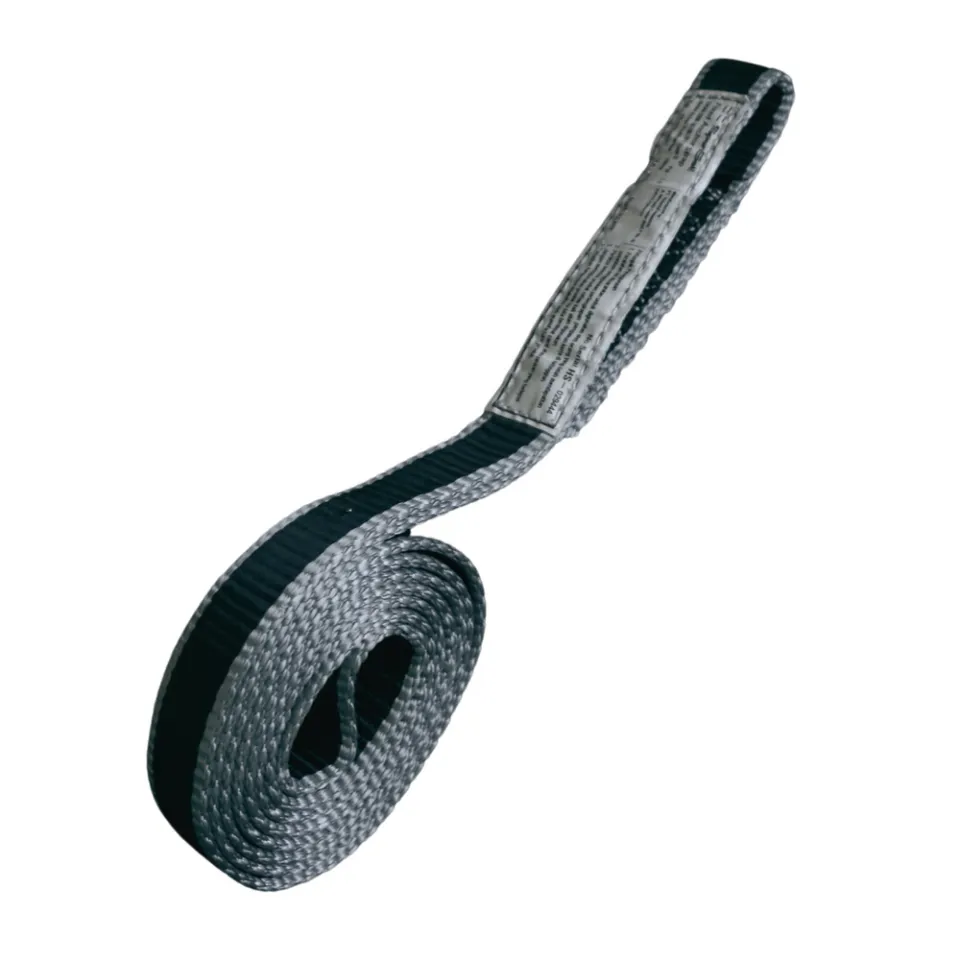
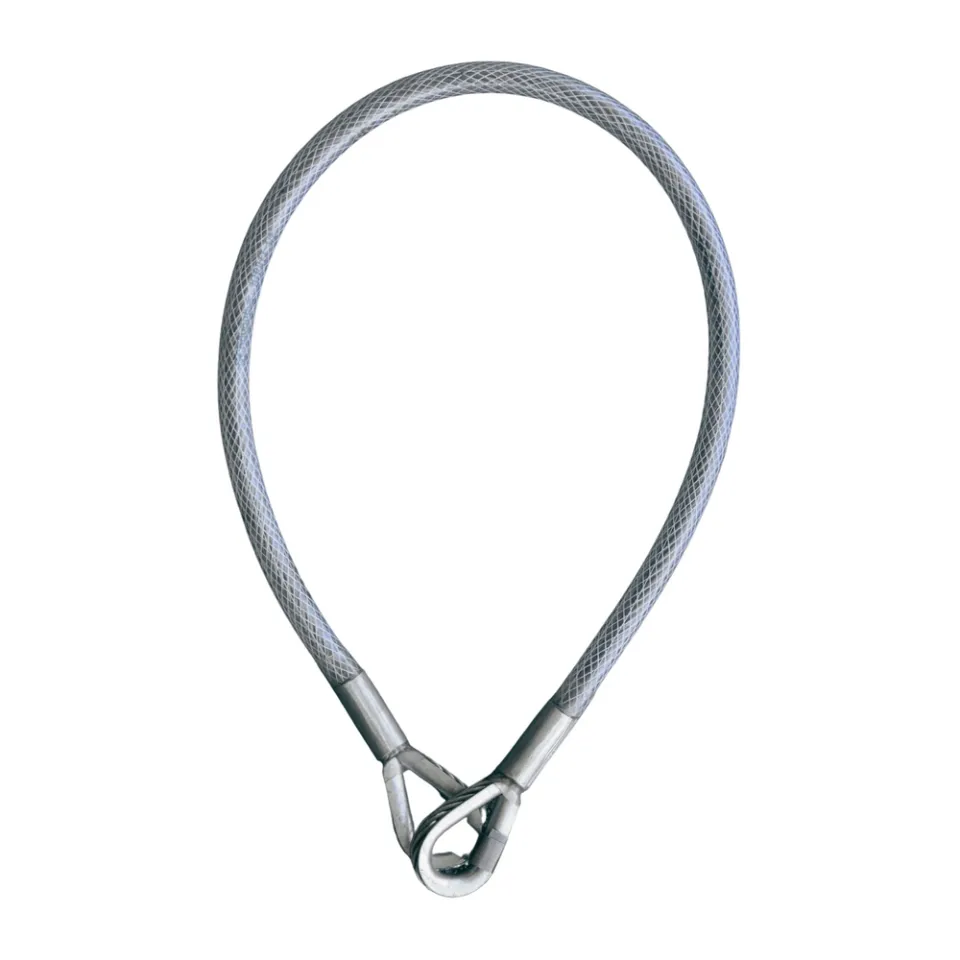
Temporary and permanent anchorage points designed and verified to withstand a minimum load of 22 kN, including concrete anchors, beam clamps, and purpose-designed lifeline anchorage systems.

Full-Body Harness

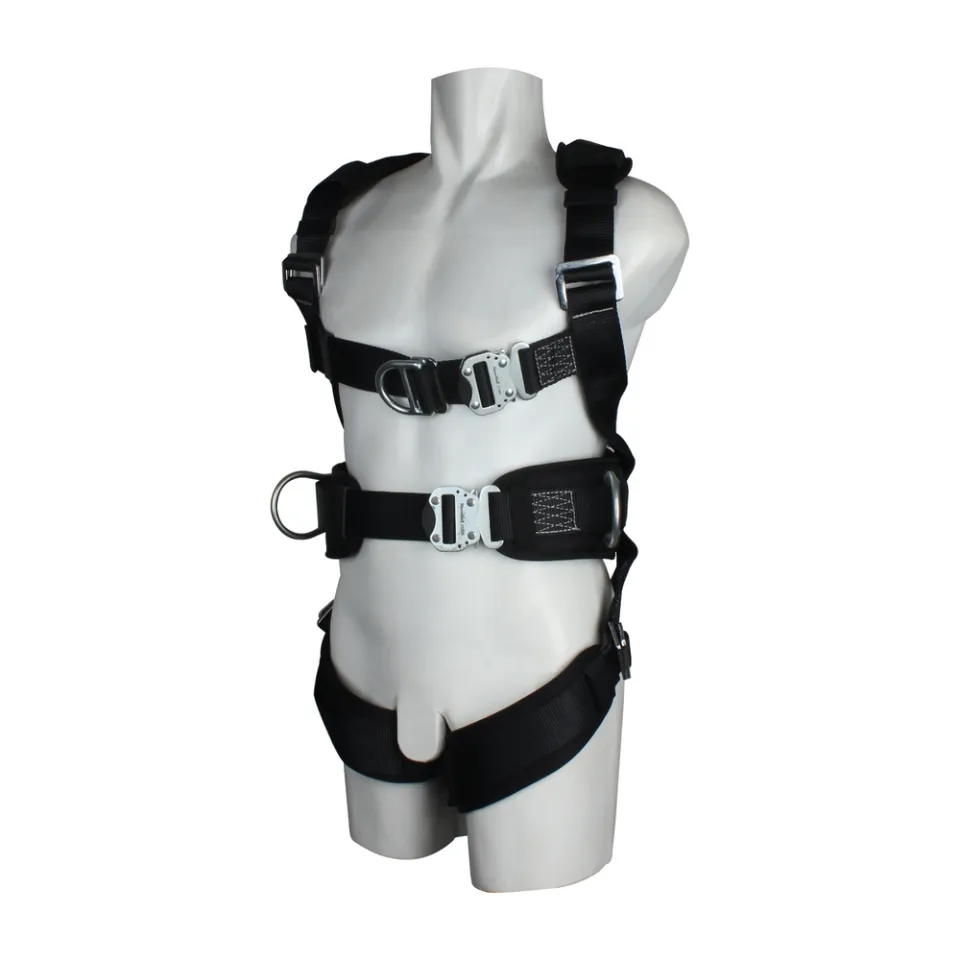
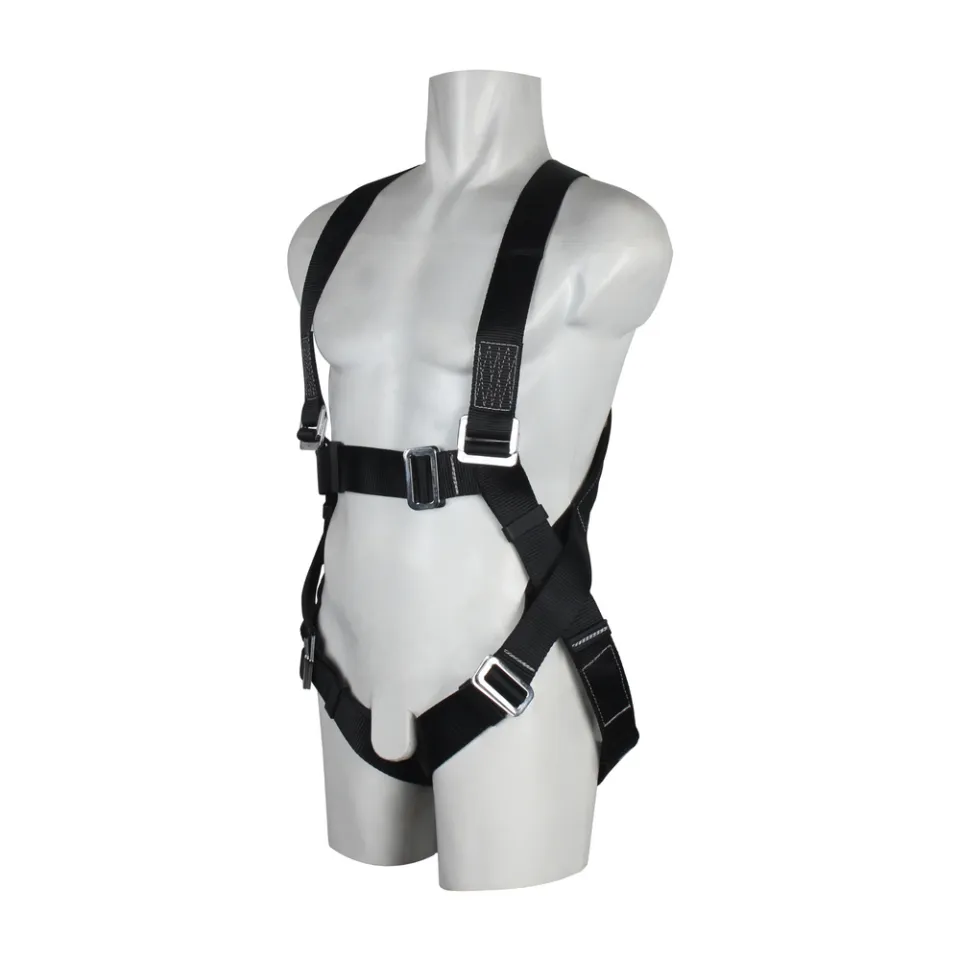
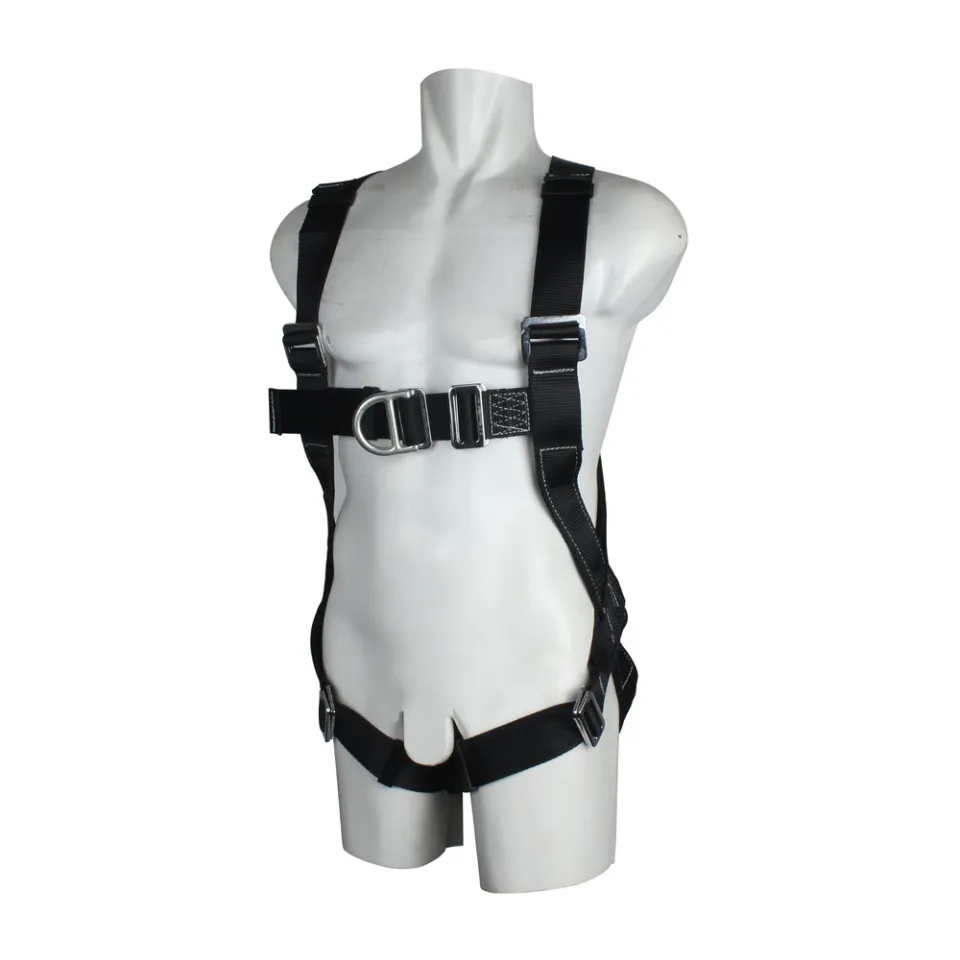
A five-point harness compliant with EN 361, featuring front and rear attachment points, distributed impact protection, and quick-release mechanisms.

Connectors

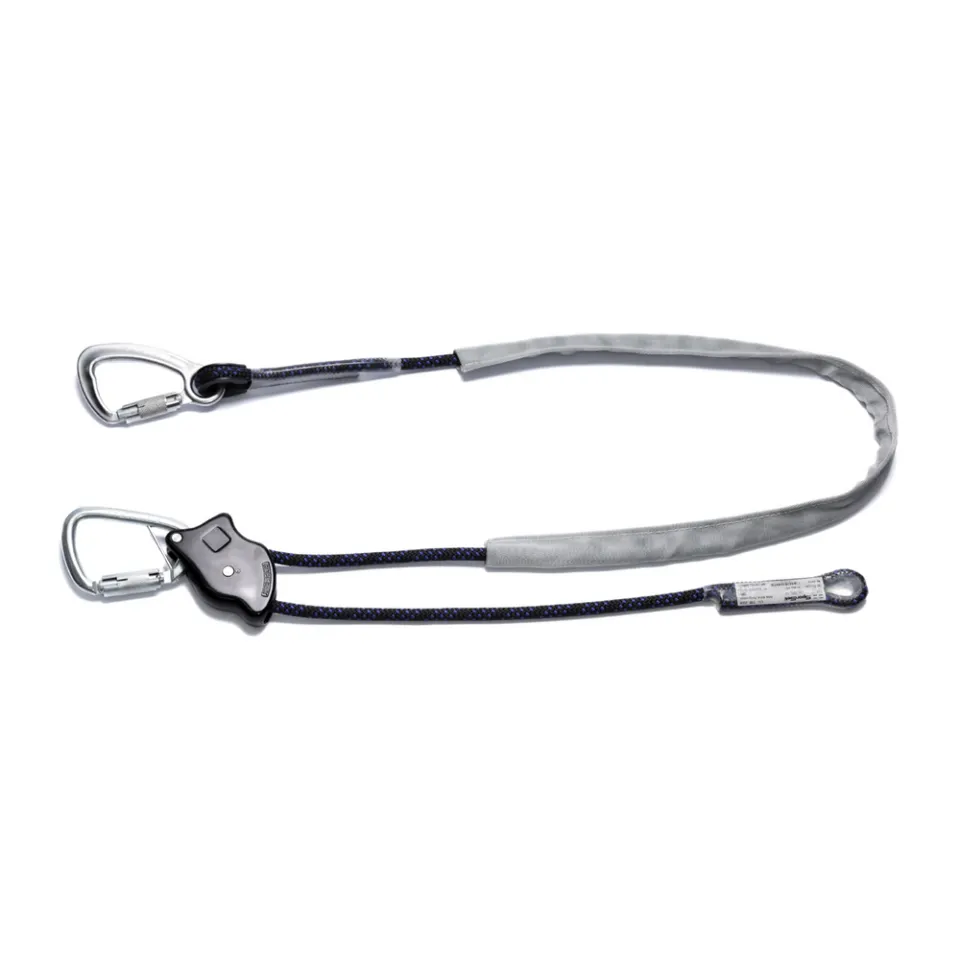
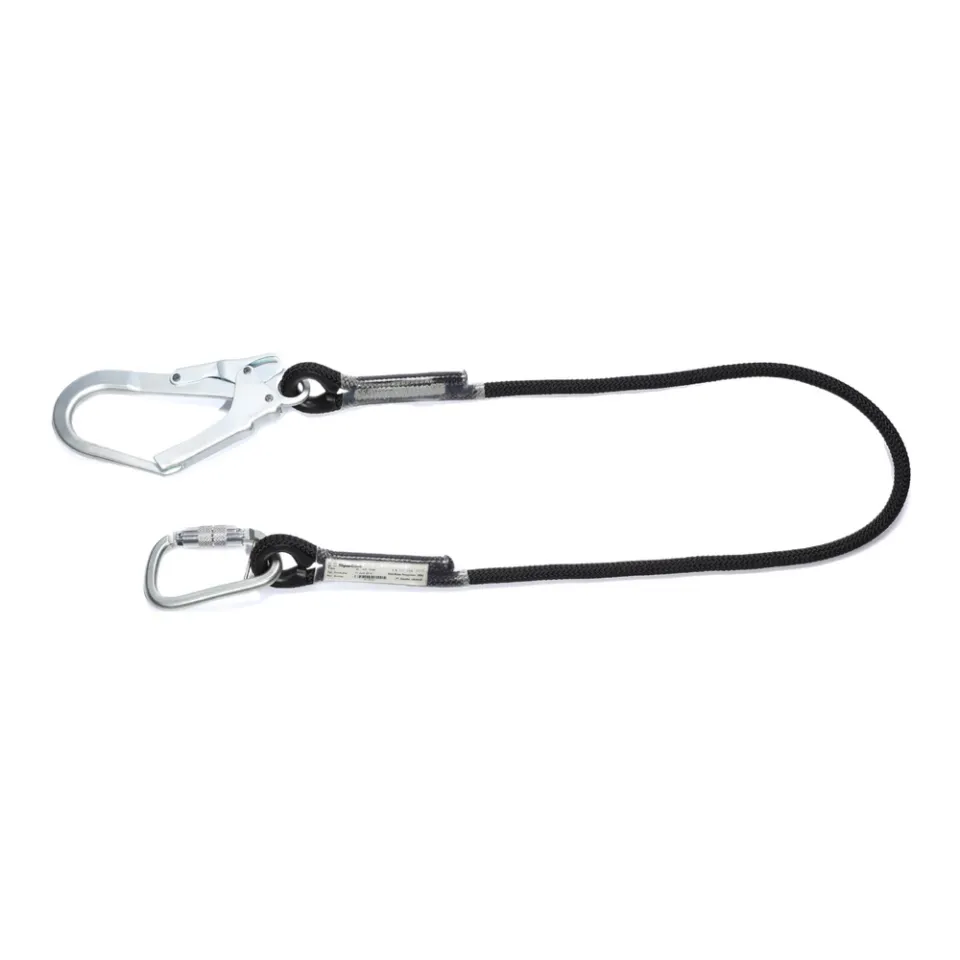
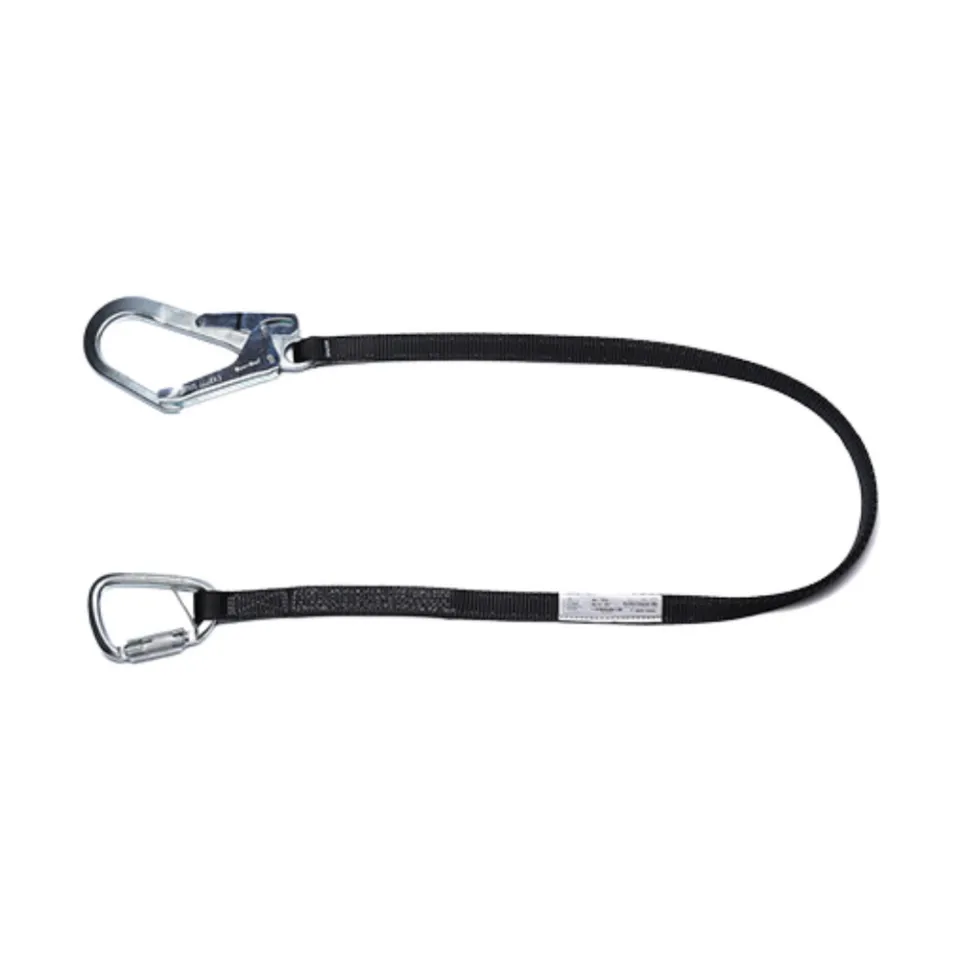
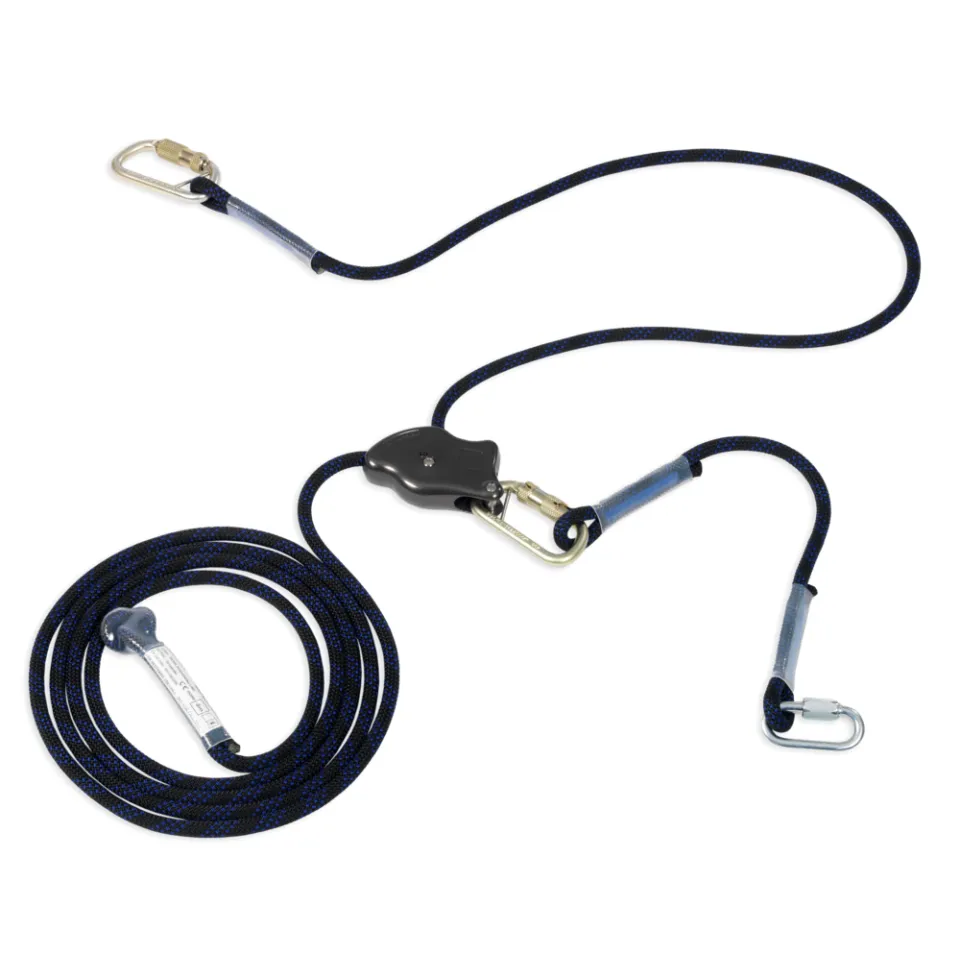
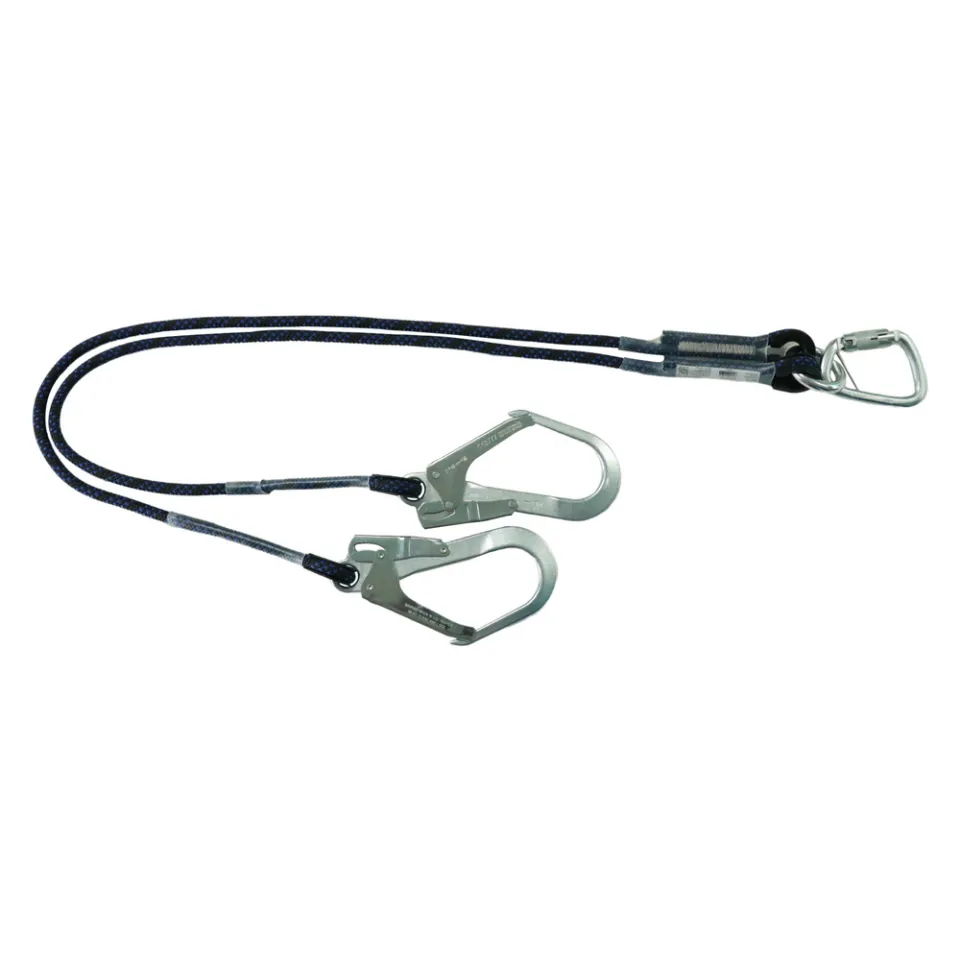
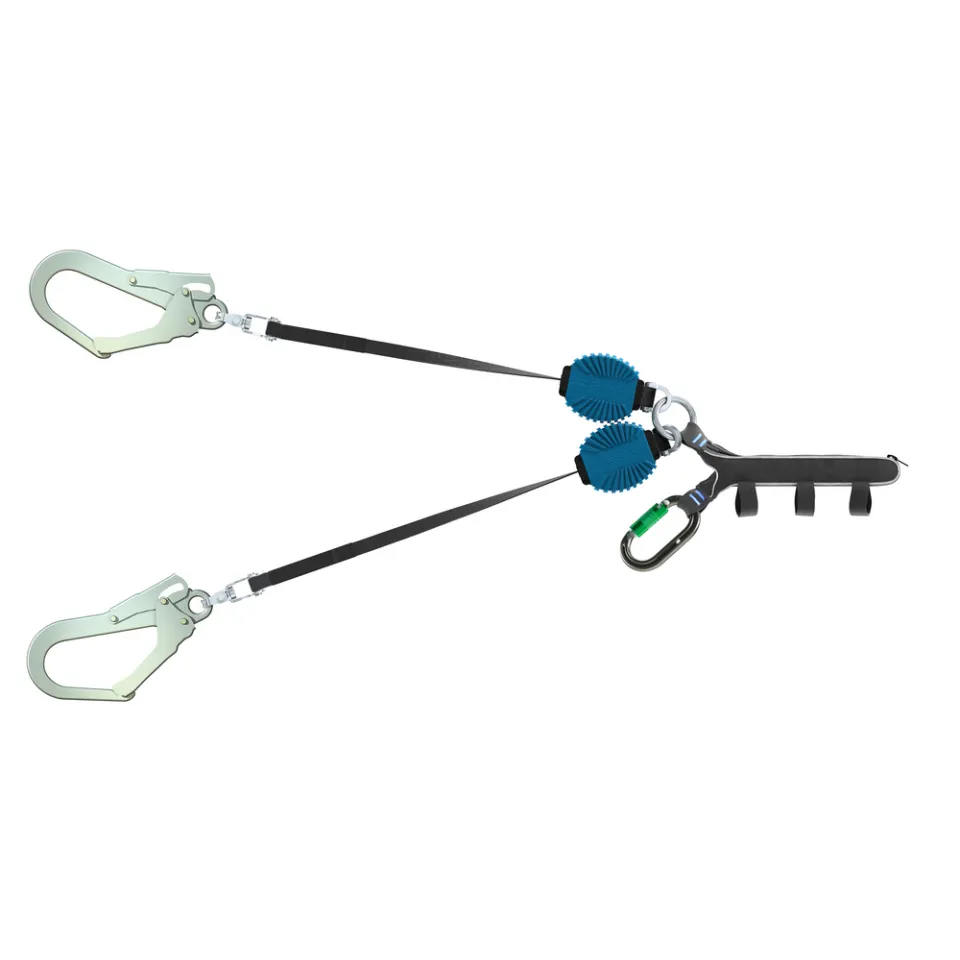
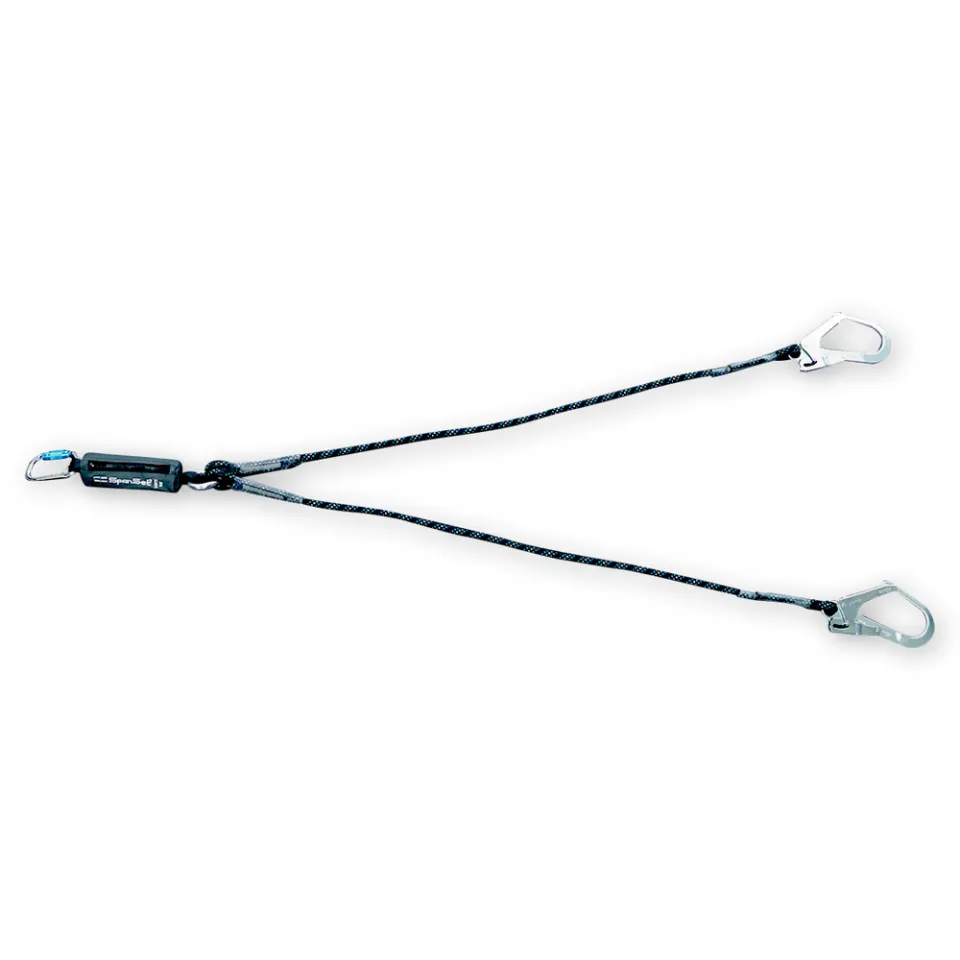
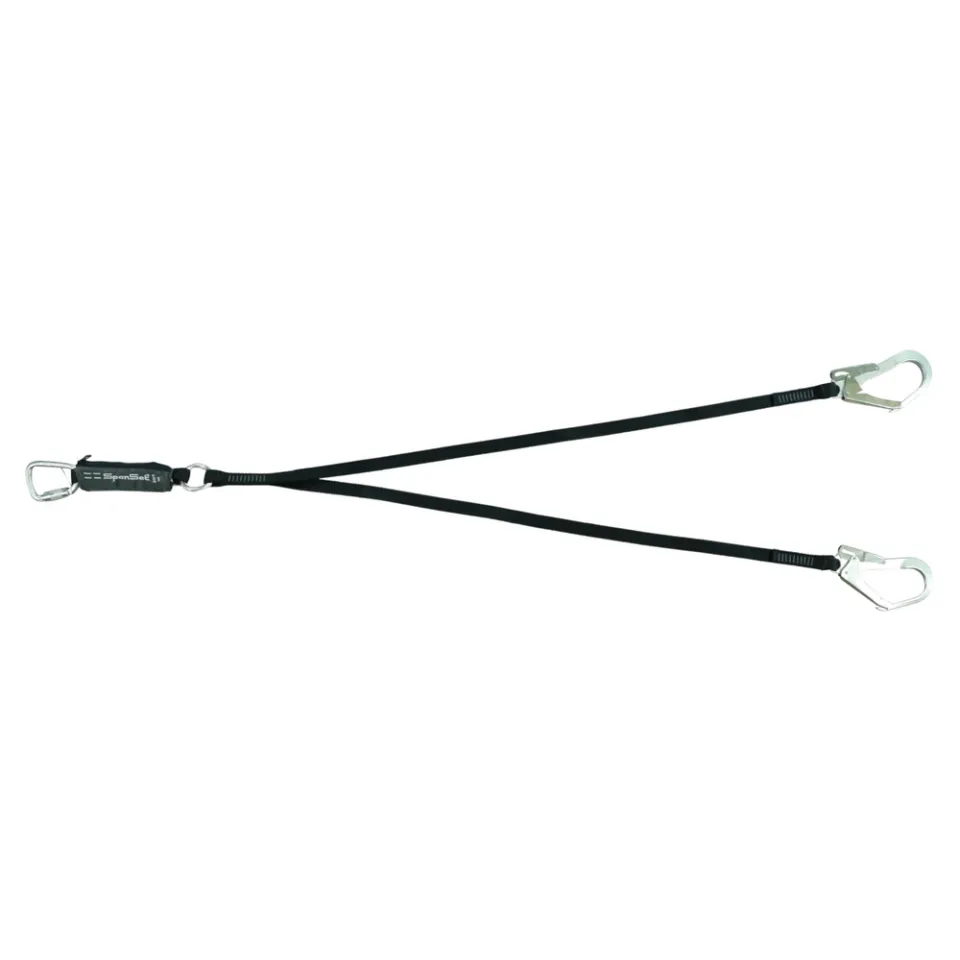
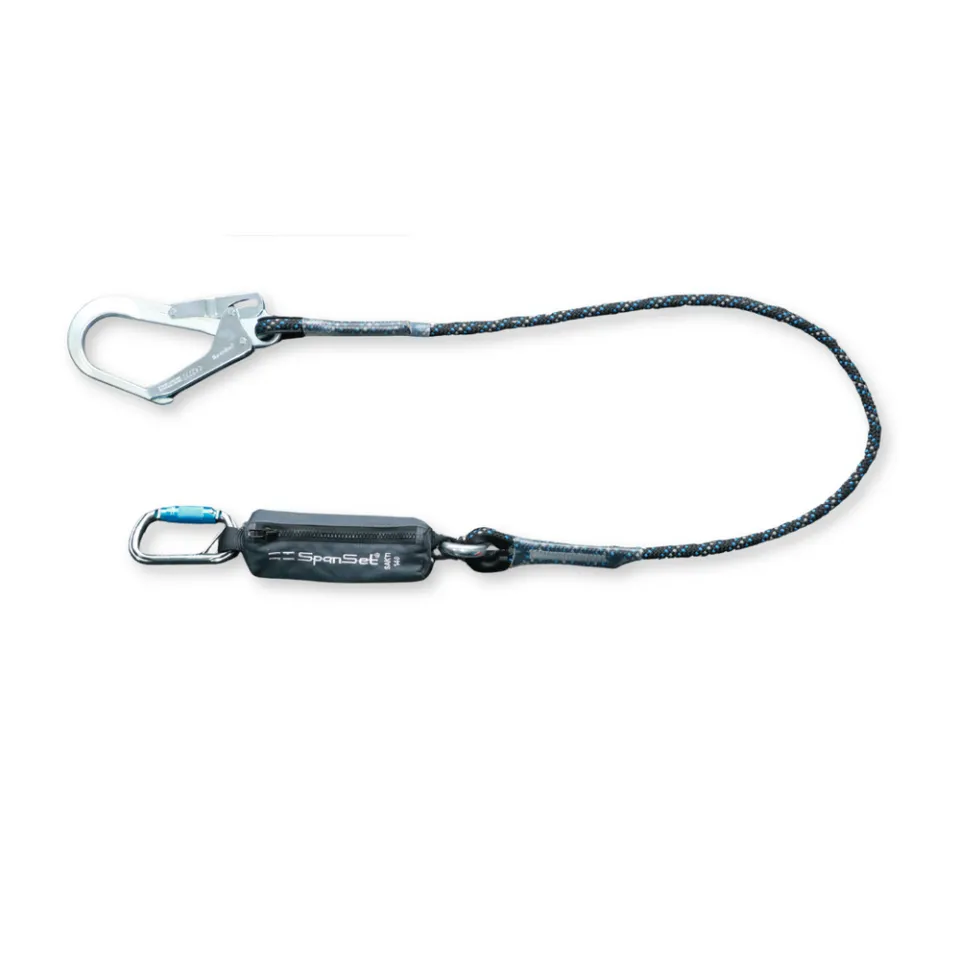
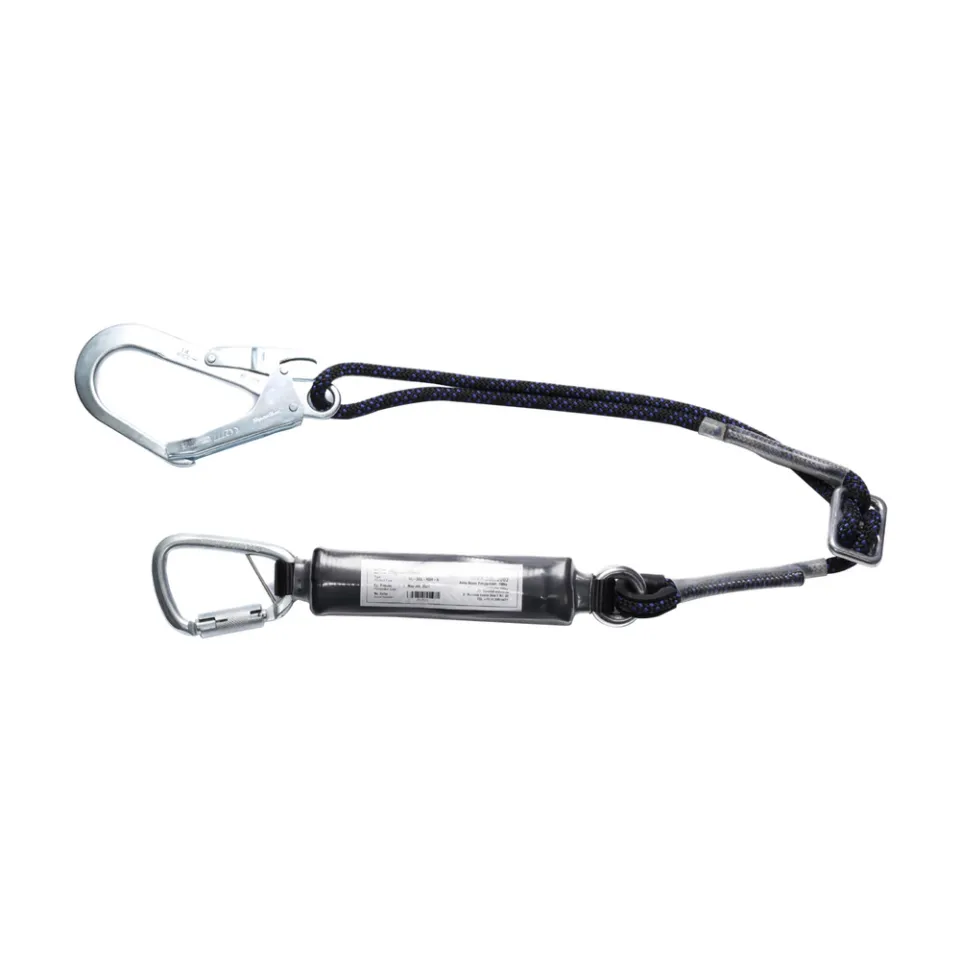
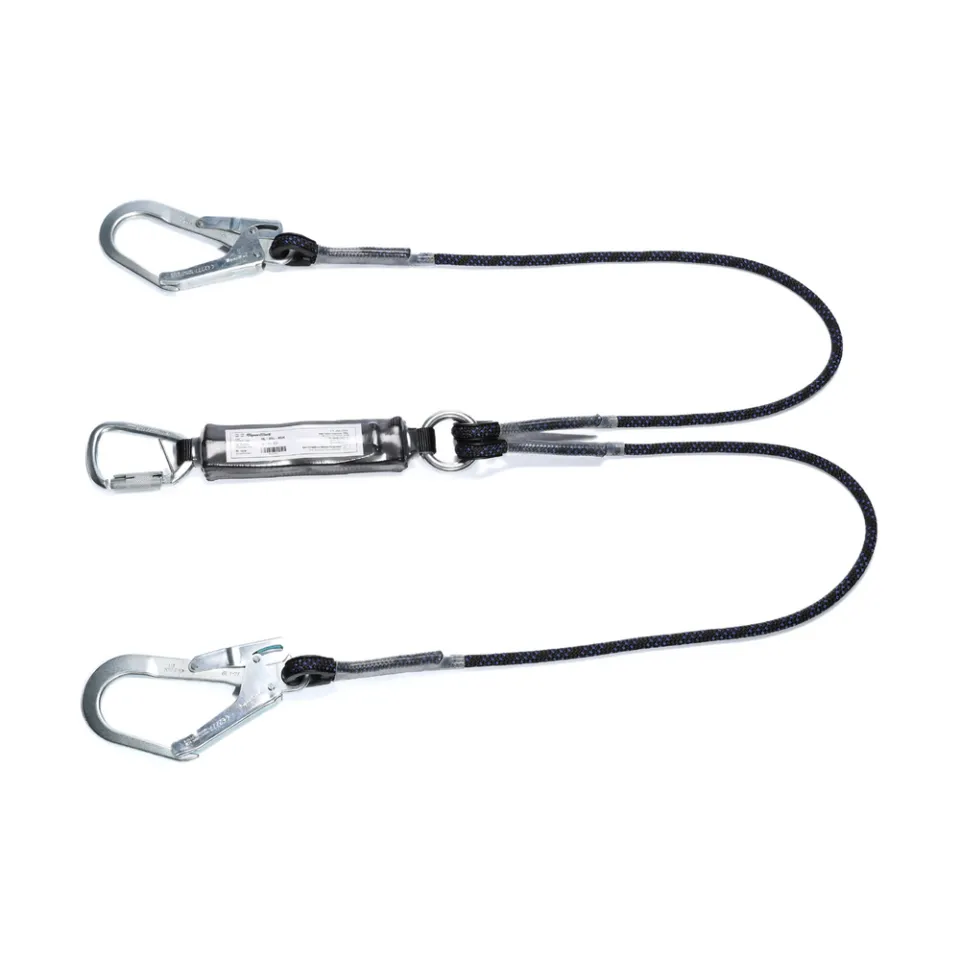
Auto-locking carabiners, shock-absorbing lanyards, and self-retracting lifelines equipped with fall indicators and secondary safety mechanisms.

Head Protection

ANSI-certified safety helmets with chin straps designed for work at height, providing protection against falling objects and impact in the event of a fall.

Article About Safety Lane

PT SpanSet Indonesia’s Commitment to Workplace Safety

We believe that worker safety is a long-term investment. With the right lifeline system in place, companies can create a safe, productive, and fully compliant working environment.

Chat with Us

Frequently Asked Questions About Lifeline / Safety Line Systems

1. What types of lifeline systems do you provide and what are the main differences?

We provide three main lifeline systems: Horizontal, Vertical, and Overhead Lifelines. The main differences lie in the system orientation, worker connection method, and application use on site.

2. Can you explain Horizontal Lifeline and its technology in more detail?

A horizontal lifeline is a steel cable or rigid rail system installed horizontally with end anchors and intermediate supports. It allows workers to move continuously using a glider or shuttle without disconnecting (100% continuous tie-off).

3. How does the Vertical Lifeline safety system work during climbing?

Vertical lifelines use a rope grab or cable sleeve that moves freely with the worker. In the event of a fall, the automatic locking mechanism (cam lock) instantly engages and stops the fall within seconds.

4. Why do I need an Overhead Lifeline?

An overhead lifeline is installed above the worker’s head to minimize fall clearance and eliminate swing hazards. It typically uses an SRL or rigid rail system for maximum safety.

5. What is a lifeline system and why does my facility need it?

A lifeline is a fall protection system designed to protect workers at height while ensuring compliance with occupational health and safety (OHS) regulations.

6. Does the lifeline installation comply with safety standards?

Yes. All installations comply with national OHS regulations and international standards such as OSHA, ANSI, and EN 795 to ensure system safety and reliability.

7. What types of lifeline systems can you install?

We install Horizontal Lifeline, Vertical Lifeline, and Overhead Lifeline systems based on your structural requirements and work environment.

8. Where are lifeline systems commonly used?

Lifeline systems are widely used in buildings, factories, construction sites, mining operations, oil & gas facilities, telecommunication towers, and other industrial environments.

9. How long does the installation process take?

The installation duration depends on project complexity, ranging from a few days to several weeks after a site survey is completed.

10. Does the service include inspection and certification?

Yes. After installation, we conduct load testing and provide system certification, along with optional periodic inspection services.

11. Does the building structure need major modification?

Not always. The system is designed to adapt to existing structures using specialized brackets that minimize impact on the building.

12. How can I get a quotation?

Please arrange a site survey so our technical team can provide an accurate quotation based on your specific requirements.