A telecom tower technician once borrowed a colleague's harness because he had left his own behind. The fit was wrong. The leg straps were too loose. He climbed anyway. Nobody fell that day, but the risk was absolutely there. Stories like this happen more often than the industry likes to admit.
Choosing the right body harness is not about brand loyalty or price tags. It is about whether that piece of equipment will actually do its job when everything goes wrong.
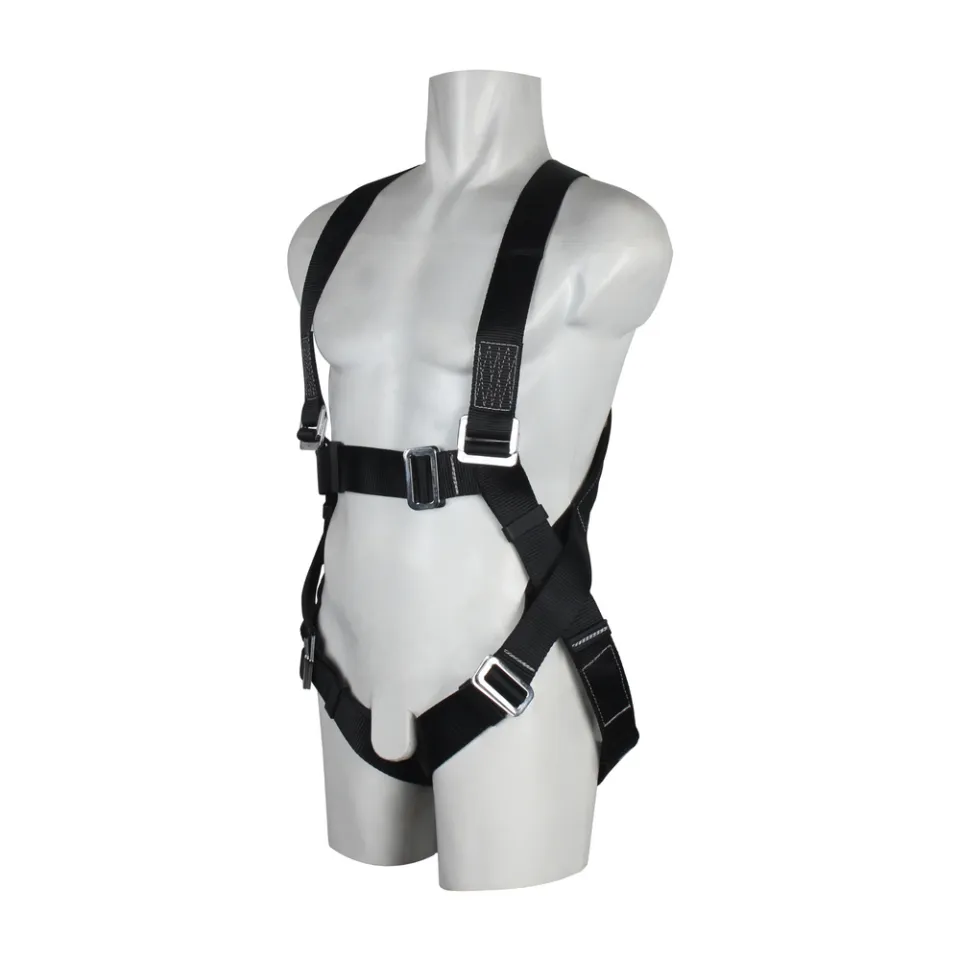
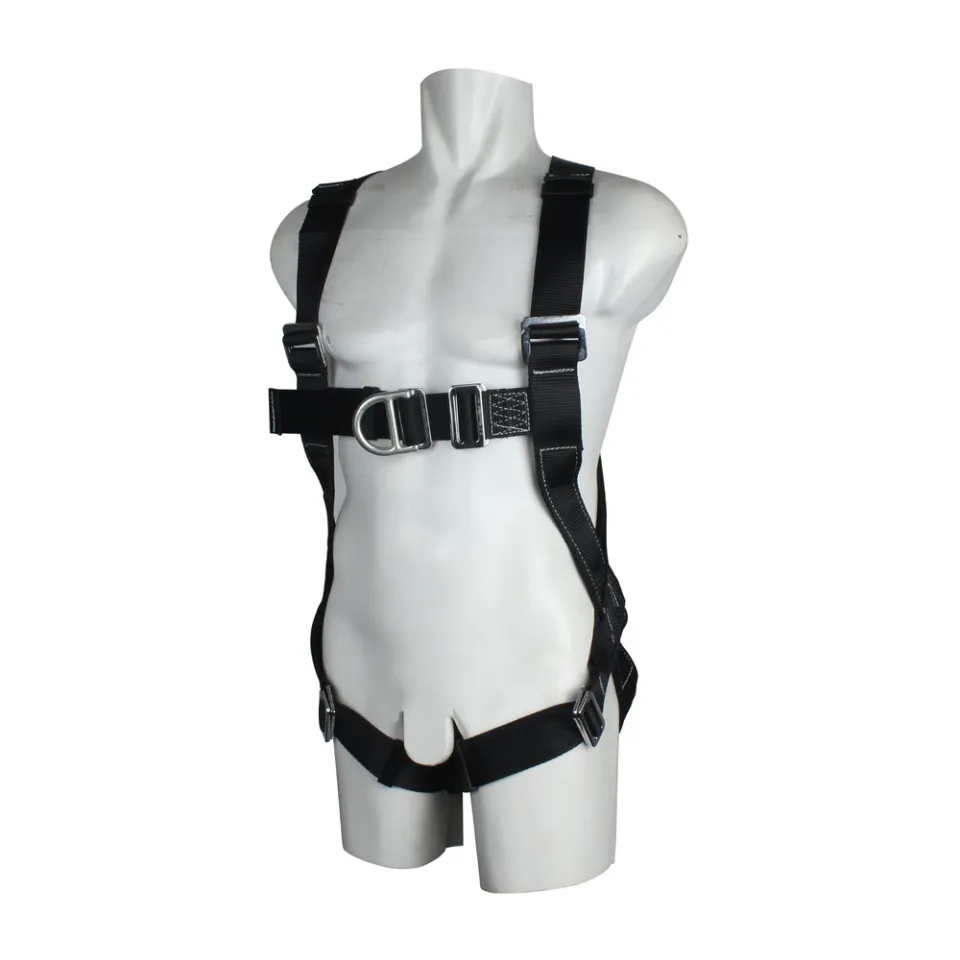
Spanset Full Body Harness Products


What Is a Body Harness and Why It Is Not Just a Strap
A body harness is a personal protective device that wraps around the torso, shoulders, chest, and thighs. It is specifically designed to distribute the impact force of a fall across the strongest load-bearing parts of the body. Unlike a simple waist belt that concentrates all force at one point, a full body harness spreads that energy so internal injury risk drops significantly.
Research published in the International Journal of Occupational Safety and Ergonomics (2017) found that a correctly fitted full body harness can reduce spinal compression force by up to 60% compared to a single-point waist belt. That number matters on a real job site.
The wrong harness, though, can create new risks rather than eliminate them. That is exactly what this guide addresses.
The Main Types of Body Harness for Working at Height
Not every full body harness serves the same purpose. Three core categories define the market, and understanding them is the foundation of any smart purchase decision.
1. Safety Harness for Fall Arrest
A fall arrest harness is built to stop a free fall. Its primary attachment point is the dorsal D-ring, positioned between the shoulder blades on the upper back. That placement keeps the body upright during arrest rather than inverting.
This type must meet EN 361 (Europe) or equivalent international standards. It is always used with a lanyard safety harness that includes an energy absorber to limit arrest force on the body.
2. Positioning Harness for Static Work
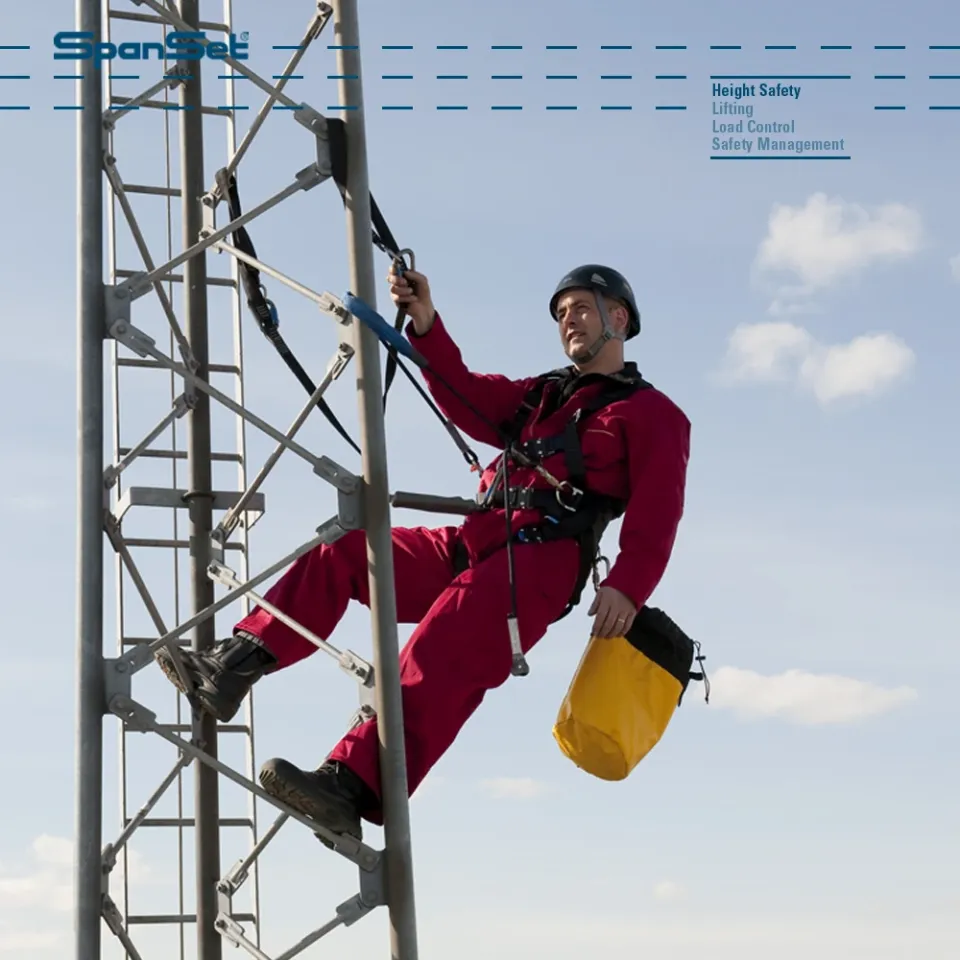
A positioning harness keeps a worker anchored at one location for extended periods. Think of a welder working on a vertical steel column or an installer on a communication tower. The attachment points here are the hip D-rings on either side of the waist.
This type is not rated to arrest a free fall. It works alongside a double lanyard full body harness setup so the worker stays connected to an anchor even while shifting position.
3. Confined Space Harness for Enclosed Environments
Confined space harnesses are engineered for retrieval, not just fall protection. Their attachment points sit at the chest (sternal D-ring) or shoulders (shoulder D-ring), so a rescue team can pull an incapacitated worker out vertically through a narrow opening without causing additional injury.
This is fundamentally different from a standard fall arrest harness. Substituting one for the other is a serious technical error with real consequences.
How to Choose a Body Harness Based on Your Job
This is the section most buyers skip. People buy harnesses based on price or familiar names instead of asking what the harness actually needs to do. Job type determines harness type, full stop.
Here is a practical guide by work category:
1. High-rise construction and scaffolding:
Use a 5-point safety harness with a dorsal D-ring. Pair it with an energy absorbing lanyard. Verify it meets EN 361. Also check the requirements for working at height applicable in your region.
2. Roof maintenance and building facade work:
Choose a harness with both dorsal and sternal attachment points. You may need to switch between them depending on the specific task and access method.
3. Telecommunications tower and utility pole work:
A positioning harness with hip D-rings is the primary choice. Combine it with an adjustable work positioning lanyard for hands-free stability.
4. Confined space entry (tanks, wells, tunnels):
Mandatory use of a purpose-built confined space harness with shoulder or sternal D-rings. Never substitute a fall arrest harness here.
5. Rope access and industrial climbing:
Requires a harness with at least two active attachment points. Load distribution is more complex because body orientation changes constantly during the work.
6. Oil, gas, and offshore operations:
A combination fall arrest and positioning harness is standard. Workers in this sector often carry heavy equipment, so harnesses rated to 140 kg are frequently required.
Understanding the specific function of a full body harness per application is the first step that simply cannot be skipped.
Attachment Points on a Body Harness: The Detail Most People Miss
Here is something that rarely makes it into general articles. Misusing an attachment point causes injuries even in falls that are successfully arrested. The worker does not hit the ground, but they still get hurt because their body position during arrest was wrong.
The dorsal D-ring is the only point approved for fall arrest. Hip D-rings are for positioning only. Sternal D-rings are for confined space rescue only. Using any of them for the wrong purpose is not a minor error. It is a technical failure with potential for serious injury.
Take time to fully understand the parts of a harness before committing to a model. What looks like a minor design difference between products can represent a major functional difference in practice.
Body Harness Comparison Table
| Harness Type | Primary Attachment Point | Main Function | Relevant Standard | Best For |
|---|---|---|---|---|
| Safety Harness (Fall Arrest) | Dorsal D-ring (upper back) | Stop free fall | EN 361 | Construction, rooftops, towers |
| Positioning Harness | Hip D-ring (waist sides) | Hold work position | EN 358 | Poles, static scaffolding |
| Confined Space Harness | Sternal / Shoulder D-ring | Vertical retrieval | EN 1497 | Tanks, wells, excavations |
| Rescue Harness | Sternal + Dorsal D-ring | Casualty evacuation | EN 1498 | Rescue teams, emergency response |
| Multi-purpose Harness | 3 to 5 attachment points | Combined functions | EN 361 + EN 358 | Rope access, oil and gas, industrial |
Fitting Your Body Harness Correctly Matters More Than the Brand
Here is an analogy worth sitting with: a poorly fitted harness is like an airbag installed in the wrong location. The technology is there. It just will not perform the way it was designed to.
Correct body harness usage involves a few non-negotiable fit checks. The leg straps should be snug but not cutting into the thigh. The standard test is fitting one clenched fist underneath the strap. The dorsal D-ring must sit precisely between the shoulder blades, not lower. The chest strap belongs at chest height, not the abdomen.
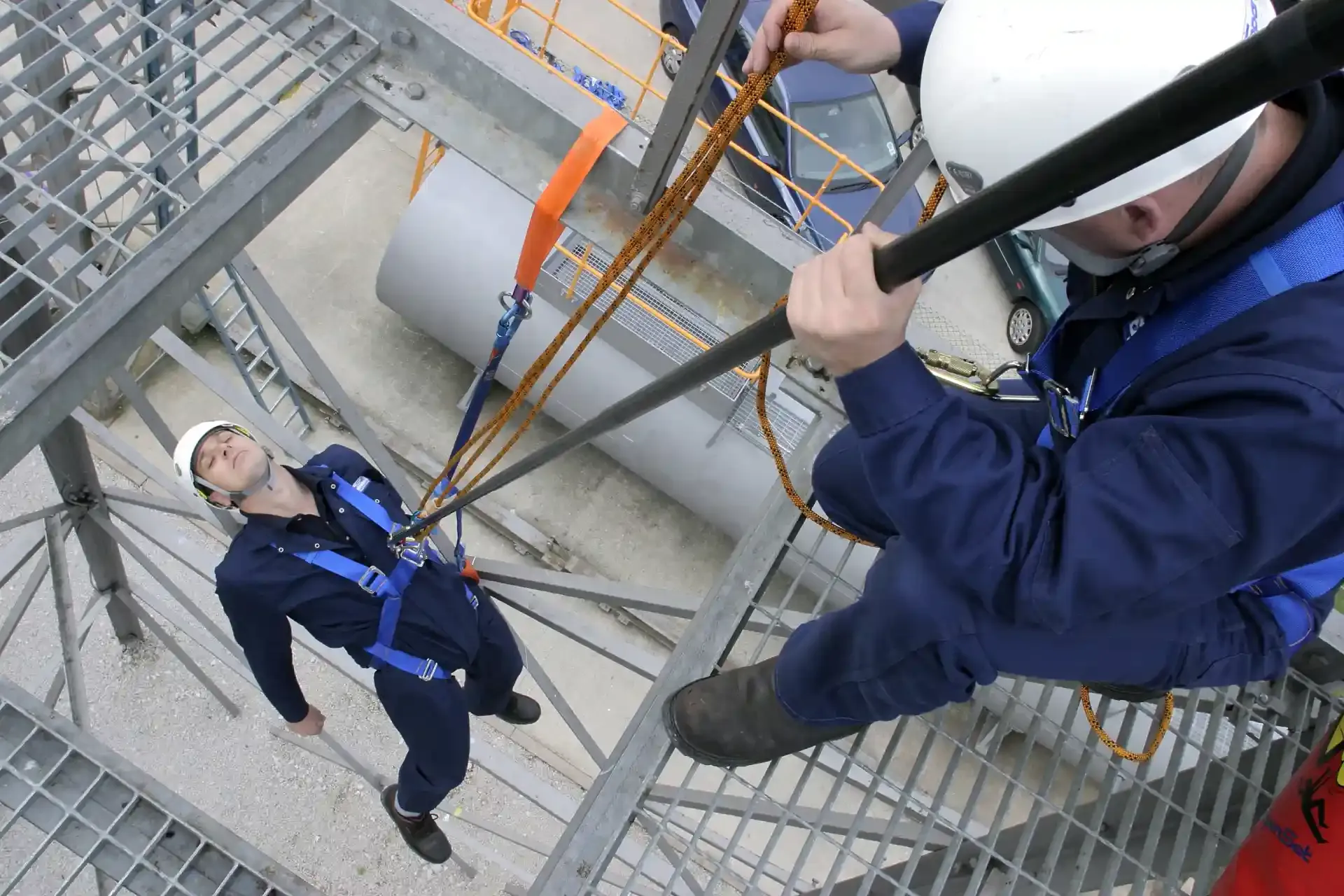
Suspension trauma is a real post-arrest risk that many workers are not briefed on. When a worker hangs motionless after a fall arrest, blood pooling in the legs can begin within minutes. Research from the UK Health and Safety Executive notes that symptoms can appear in as little as 5 minutes of static suspension. This is why fall protection equipment should always be paired with a clear rescue plan, not treated as a standalone solution.
Standards and Regulations You Need to Know
In Indonesia, Permenaker No. 9 of 2016 on Safety and Health for Work at Height mandates full body harness use for any work above 1.8 meters. Not a waist belt. Not a partial system. A full body harness.
Internationally, EN 361 governs fall arrest harnesses and EN 358 covers positioning harnesses. Products meeting these standards carry CE marking with the standard number printed on the label. That number is verifiable. Buy accordingly.
Fall protection equipment inspection must happen before every use and formally at least once per year by a competent person. Any harness that has arrested a real fall must be immediately taken out of service, regardless of how it looks visually. This is global industry practice, not a suggestion.
After each use, proper full body harness maintenance directly affects both lifespan and performance. Store the harness dry, away from chemicals, and out of prolonged direct UV exposure.
SpanSet Harnesses

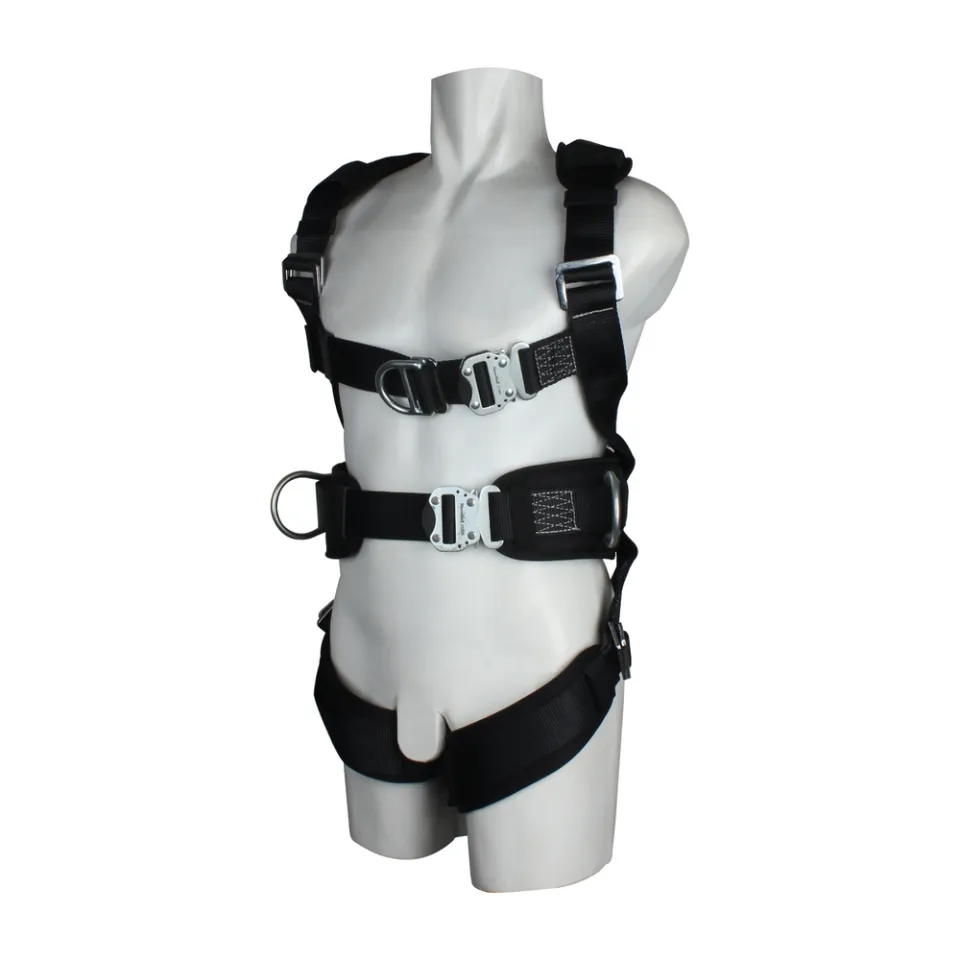
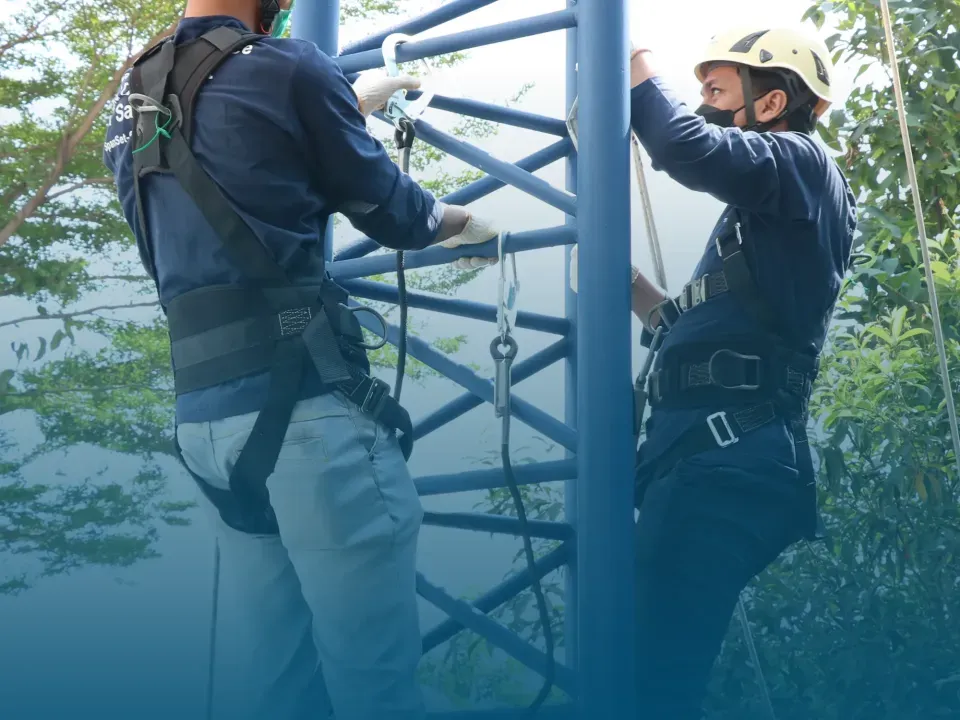
Spanset double lanyard and full body harness for work-at-height safety protection
FAQ: Common Questions About Body Harness
What is the difference between a body harness and a safety belt?
A safety belt wraps only around the waist and anchors at a single point. In a fall, all the arrest force concentrates on the lower spine and abdomen, creating high risk of internal injury. A body harness distributes that force across the whole body and meets modern fall arrest standards. Safety belts are no longer recommended for working at height and fail to meet current regulations in most jurisdictions.
How long does a body harness last?
Most manufacturers recommend replacement after 10 years from the production date or 5 years from first use, whichever comes first. But if a harness has arrested an actual fall, it must be replaced immediately regardless of age or visible condition.
Can one harness cover all types of work?
Not reliably. A multi-purpose harness with 3 to 5 attachment points covers several scenarios, but confined space applications still require a purpose-built design. If your work spans both fall arrest and confined space entry, you likely need two separate harnesses.
What should be checked before putting on a harness each day?
Inspect all webbing stitching for signs of fraying or separation. Check every buckle and D-ring for deformation or corrosion. Look for cuts, abrasion wear, or chemical staining on the webbing. Verify the manufacture date label and any usage log if one is maintained.
Which harness is right for scaffolding work?
For scaffolding, use a 5-point safety harness with a dorsal D-ring that meets EN 361. Pair it with an energy absorbing lanyard and ensure the anchor point is positioned above head level. For further context on site safety equipment, see this overview of K3 protective equipment.