Confined Space
Product Guide
What is a confined space?
A confined space is an enclosed or partially enclosed area, not designed for human occupancy, that presents health and safety risks due to hazardous atmospheres, unsafe oxygen levels, airborne contaminants, fire or explosion hazards, or the risk of engulfment, with the hazards determined by the specific situation.
Confined spaces are commonly found
Vats, tanks, pits, pipes, ducts, flues, chimneys, silos, containers, pressure vessels, underground sewers, wet or dry wells, shafts, trenches, tunnels or other similar enclosed or partially enclosed structures.
What equipment do I need to access a confined space?
Personal Protective Equipment (PPE)
- Safety Helmet
- Safety Harness
- Lifeline attached to the harness.
- Appropriate tools and clothing
(Light, Gloves and Waterproof Safety boots) - Respiratory protection
*Self-contained or supplied-air if atmospheric risk exists.
Access and Rescue Equipment
- Tripod or Davit Arm
- HRA systems as Safety Devices with Recovery and Winches
For raising and lowering personal or material. - Safe and stable ladder.
- Never work alone!
Only trained and competent workers should install and operate confined space systems.
Safety note
ALWAYS
Have a primary and secondary/backup system when entering a confined space.
When entering via a ladder access
Ladder is the deemed primary mode of entry and egress for the worker (Saverline SRLR / HRA) Safety Device with Recovery is used as the backup system (to get the worker out if they are unable to climb the ladder)
When entering a confined space WITHOUT a ladder
Man-riding Winch or Pulley System is considered the primary mode of entry and egress for the worker (Saverline SRLR / HRA) Safety Device with Recovery is used as the backup system (to get the worker out if there is a Winch failure)
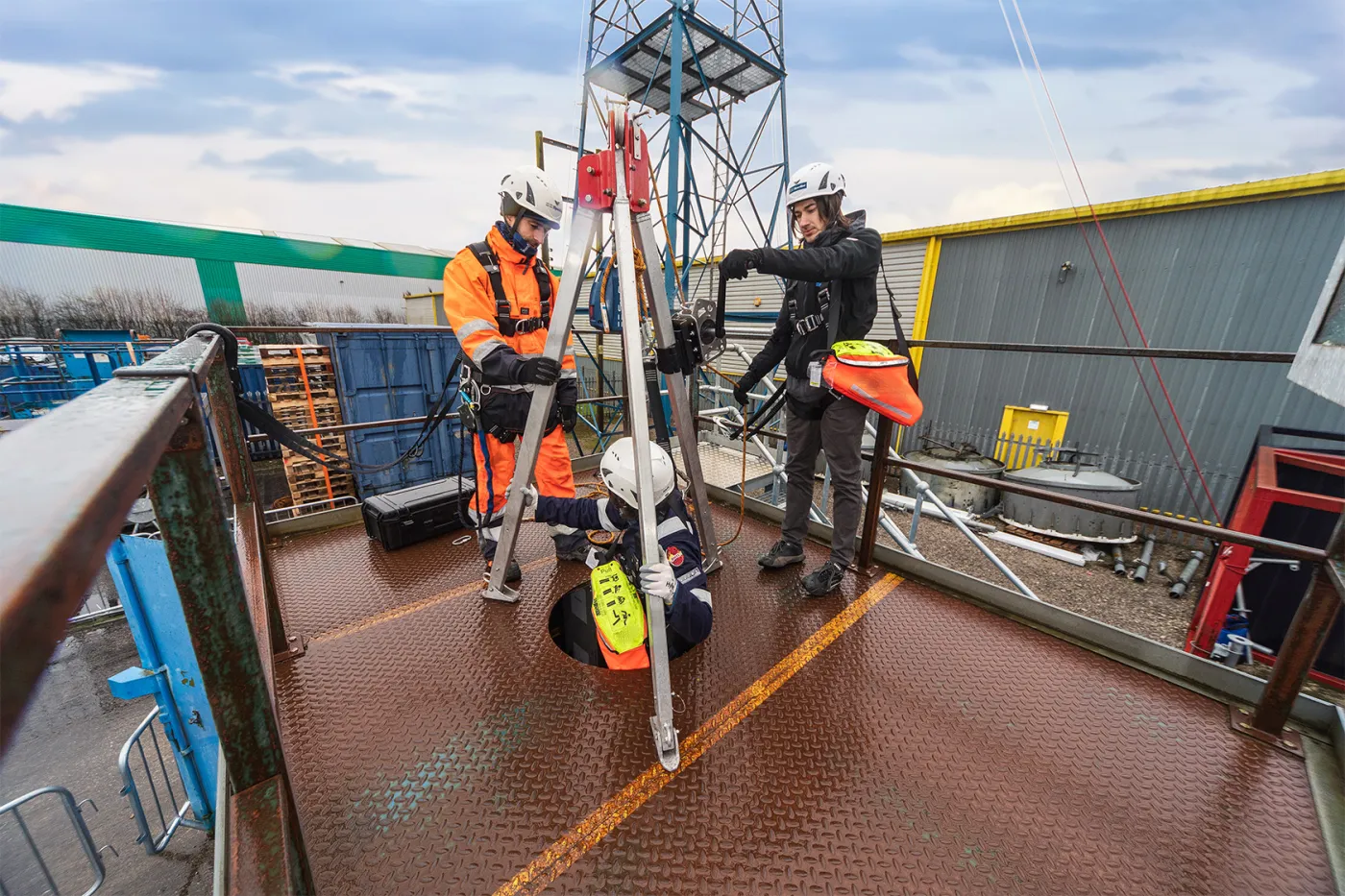
Tripods
The simplest option for multiple locations where temporary vertical access is required.
Requirements for using tripods in confined space access
- Must be installed on firm ground
- Properly positioned over the access opening.
- Use of a full-body harness
Advantages of using tripods in confined spaces
- Ease of installation.
- Quick to set up and suitable for many vertical confined space entries.
- Versatility, can be used in different locations such as manholes, wells, and pits.
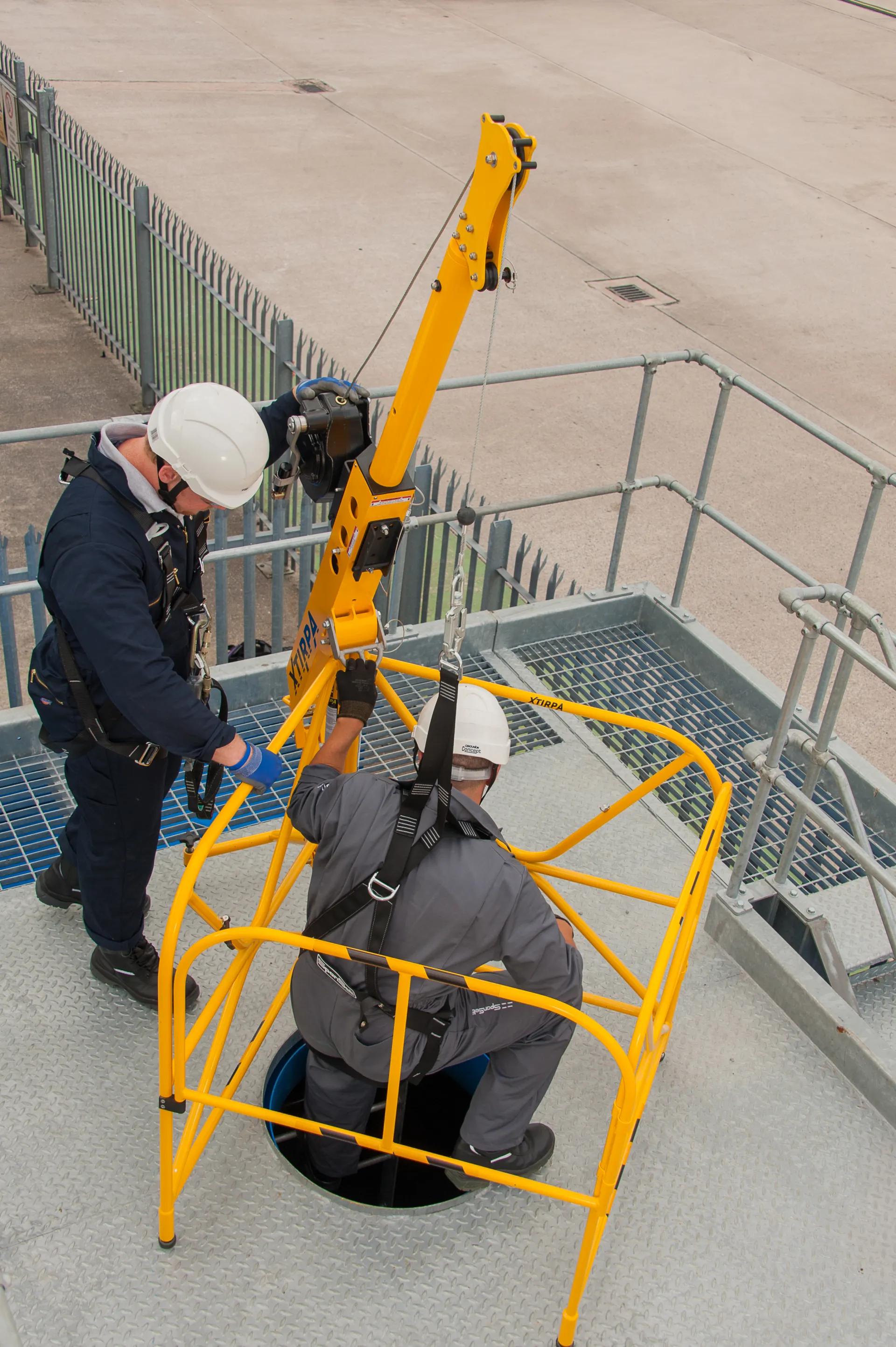
Portable Davit Arm
Temporary works, multi-location, or emergency response scenarios
Municipal utility workers, Tank Inspection crews, Emergency Rescue that need flexible equipment for rapid deployment.
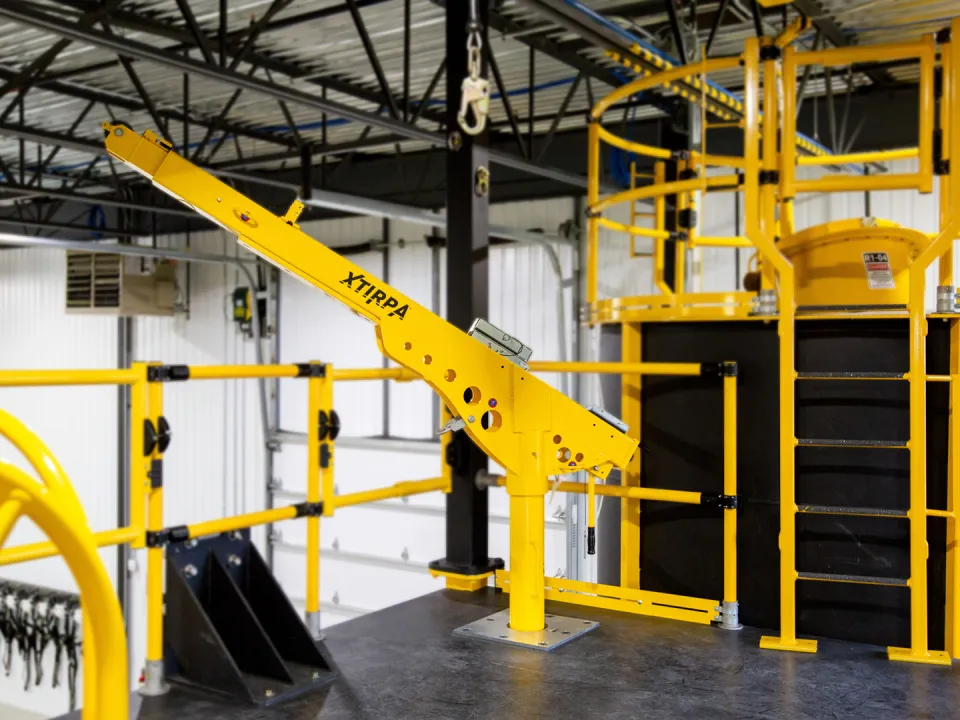
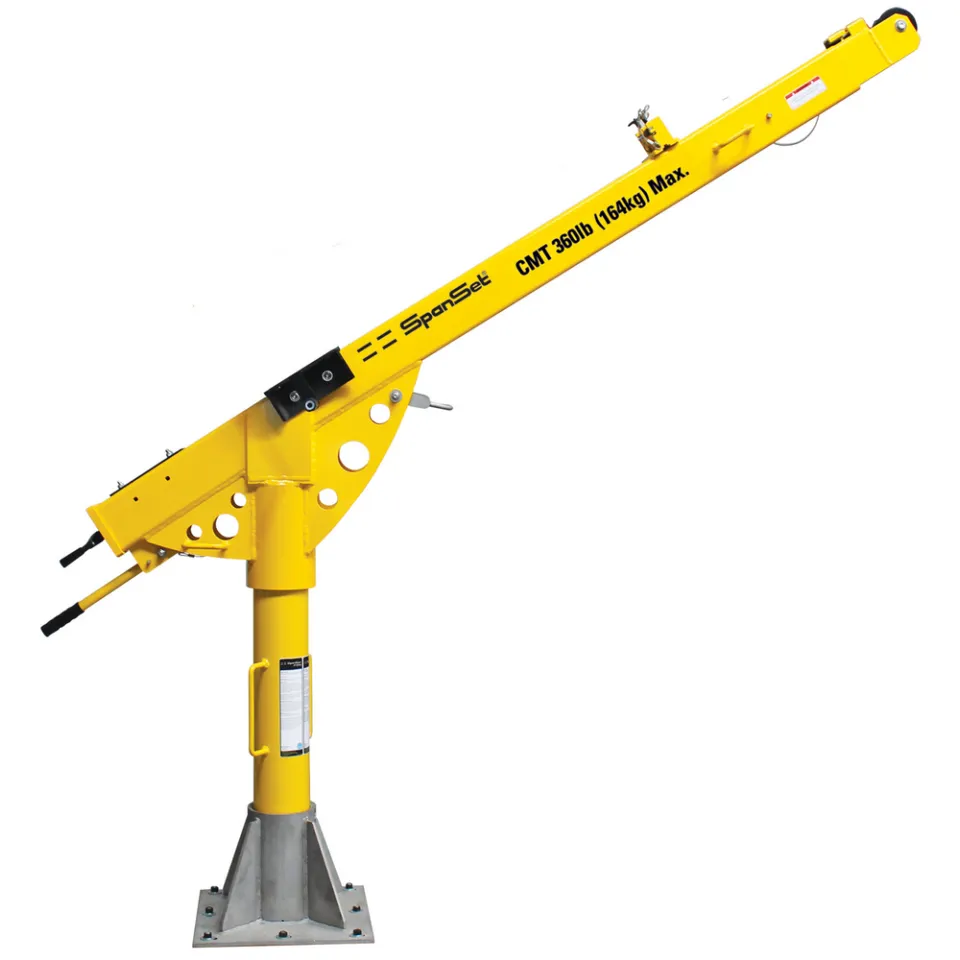
Fixed Davit Arm
Permanent installations with regular confined space entry
Wastewater treatment plants, Industrial processing plants, Roof-mounted rescue systems for regular high-elevation work zones.
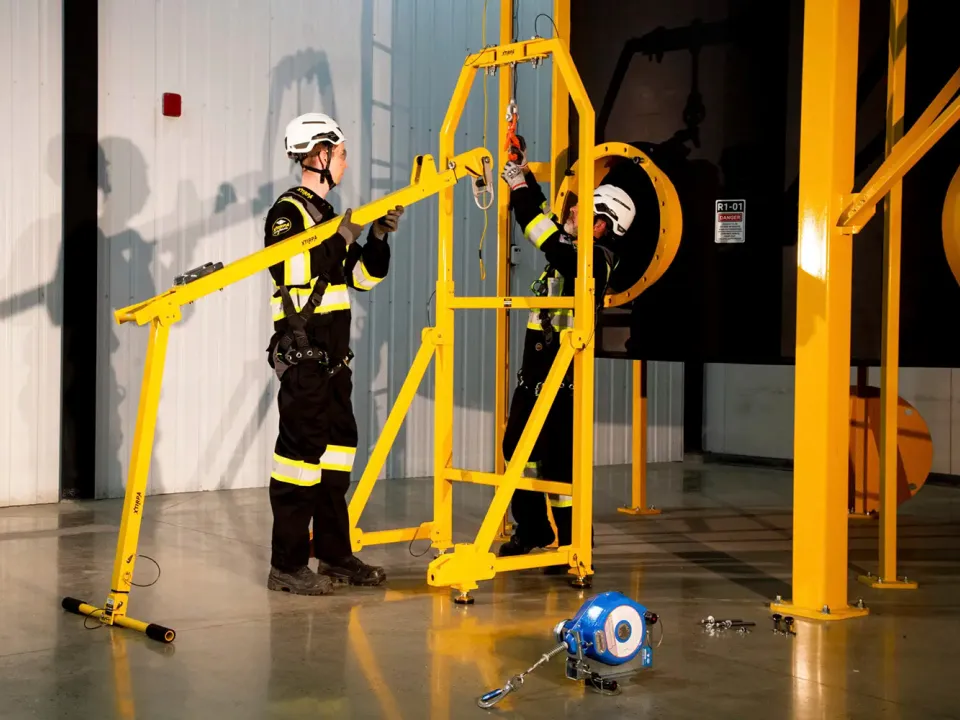
Side-entry Systems
Horizontal access or offset vertical entries where top entry isn't possible
Accessing horizontal vessel, Tanks, Dockside entry into ship compartments from piers, Side wall access in silos or large mixers where top entry is unsafe or impractical.
Discover all the available Confined Space products >
Consult our experts to choose the best solution




SpanSet Training
Proper training provides workers with the knowledge, skills, and confidence needed to work safely in these environments.
- Improves hazard awareness
Workers clearly recognise confined space risks and act confidently to prevent accidents. - Reduces accidents and saves lives
Make safer decisions, significantly lowering the risk of serious or fatal incidents. - Ensures effective use of safety equipment
Protective and monitoring equipment is used correctly and efficiently. - Strengthens emergency readiness
Prepares workers to respond calmly and effectively in emergencies. - Promotes compliance and safety culture
Builds a strong, proactive safety mindset within the organization.
