Working at heights, such as in construction, building maintenance, or equipment installation, carries a high risk of falls. According to Kontan News Portal, the Ministry of Manpower recorded 462,241 workplace accidents in Indonesia throughout 2024. About 29% of these occurred in the construction sector, which is closely associated with working at height.
Therefore, the use of proper fall protection equipment is crucial to ensure worker safety. Fall protection equipment is designed to prevent or minimize serious injuries in the event of an accident.
What is Fall Protection Equipment?
Fall protection equipment is part of a fall protection system, including fall arrest systems and fall restraint, designed to prevent or stop workers from falling while working at height. This equipment consists of components attached to the worker’s body or to anchor points in the work area.
Below are the common types of fall protection equipment used in the field.
Types of Fall Protection Equipment
To ensure worker safety at height, various types of fall protection equipment are used depending on site conditions and the level of risk involved. Here are some of the most commonly used fall protection devices:
1. Lifeline
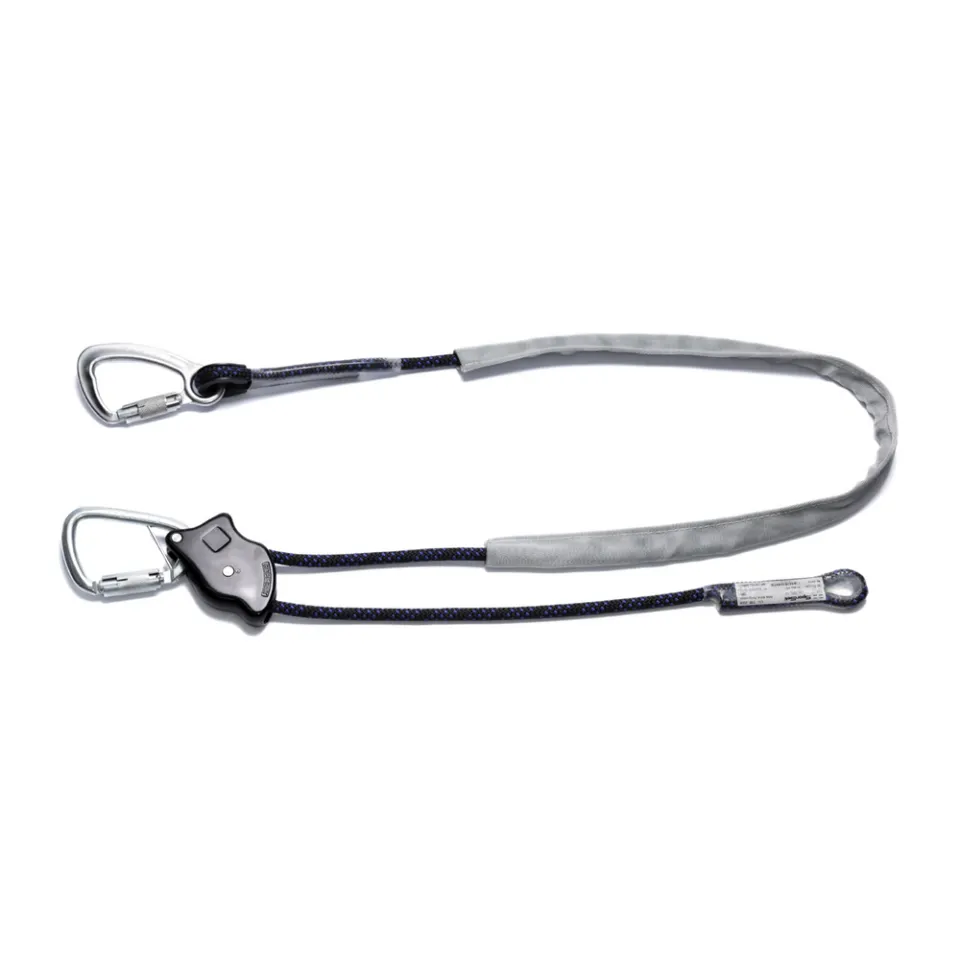
The lifeline is a key component of the fall protection system that connects workers to an anchor point on a building structure or other equipment. It is usually equipped with an automatic locking device that keeps workers safe while moving around elevated work areas.
2. Full Body Harness (Fall Arrest Harness)
A fall arrest harness is worn by workers to distribute the impact force of a fall evenly across the body. Equipped with lifelines and additional safety systems, this harness is designed to provide maximum comfort and protection in the event of a fall.
3. Safety Helmet
A safety helmet helps protect the worker’s head from impact or falling objects, and provides extra protection in the event of an accident or fall. These helmets are often equipped with additional features such as face shields or ear protection, depending on operational needs.
4. Safety Net System
Safety nets are installed below the work area to catch workers if they fall. They are commonly used in large construction projects or in areas where lifelines cannot be directly used.
5. Safety Belt
A safety belt is used to secure the worker’s body in a safe position, especially when working near edges or at low heights. Although not as widely used as safety harnesses, belts are still relevant for certain types of work.
Functions and Benefits of Fall Protection Equipment
The use of fall protection equipment is not only about compliance, but also an important investment in workplace safety and productivity. Some of its main benefits include:
1. Preventing Serious Injuries
Fall protection equipment helps reduce the impact of serious injuries that may result from a fall, such as fractures, head trauma, or internal injuries.
With proper protection, this equipment can save the lives of workers who are exposed to high-risk conditions.
2. Ensuring Compliance with Safety Regulations
The proper use of fall protection equipment is essential to meet workplace safety requirements set by government authorities or industry safety organizations.
Companies that fail to comply with safety standards may face fines or legal sanctions.
3. Improving Productivity and Worker Confidence
Workers who feel safe and protected are more likely to work calmly and efficiently.
Their confidence in having proper protection boosts morale and productivity in the workplace.
Applications of Fall Protection Equipment in Various Industries
Fall protection equipment is used across various work sectors that involve activities at height. Some of these include:
1. Construction Industry
The construction industry is one of the sectors most reliant on fall protection equipment, as work is often carried out at heights such as high-rise buildings or bridge structures. Workers installing steel frames, roofing, or carrying out maintenance at height require fall protection to reduce the risk of accidents.
2. Energy and Oil & Gas Industry
Work on oil platforms or in power plants often involves extreme heights, such as drilling towers or gas pipelines. The use of lifelines, harnesses, and safety helmets is critical in this industry to ensure worker safety.
3. Maintenance Industry
Maintenance work in high-rise buildings, communication towers, or other industrial facilities requires fall protection to keep workers safe during inspections or repairs. This includes the use of lifelines, safety nets, and safety helmets.
How to Choose the Right Fall Protection Equipment
Selecting fall protection equipment should be adjusted to on-site needs, which is why it is important to understand the conditions of the work to be carried out. Here are 3 ways to choose the right fall protection equipment:
1. Adjust to the Task and Work Environment
Choose fall protection equipment that suits the type of work and environmental conditions. For example, for outdoor work in extreme weather, ensure the equipment is resistant to such elements. In addition, make sure the equipment can support the worker’s weight according to applicable capacity and safety standards.
2. Pay Attention to Standards and Certifications
Ensure that the fall protection equipment used complies with relevant safety standards, such as ANSI, OSHA, or other international certifications. Certified equipment guarantees that it has been tested to meet the required protection levels.
3. Evaluate Training Needs
Make sure workers receive adequate training in the proper use of fall protection equipment, including how to wear harnesses, use lifelines, and follow other safety procedures. Proper training reduces the risk of dangerous user errors.
Common Mistakes in Using Fall Protection Equipment
- Not inspecting equipment before use, which can lead to failures in the field.
- Using fall protection equipment that does not match the type of work or work environment, reducing its effectiveness.
- Neglecting maintenance and replacement of fall protection equipment that is damaged or worn out.
Why Choose the Right Fall Protection Equipment?
Fall protection equipment is a vital component of worker safety when working at heights. By selecting and using the right equipment, the risk of accidents can be significantly minimized. Always ensure the equipment used is suitable for the task, work environment, and applicable safety standards to protect workers on site.
Contact us for more information about the best fall protection equipment suited to your industry needs!
Interesting Articles
Related Product






Find Us