Height Safety

7 Common TKPK Mistakes

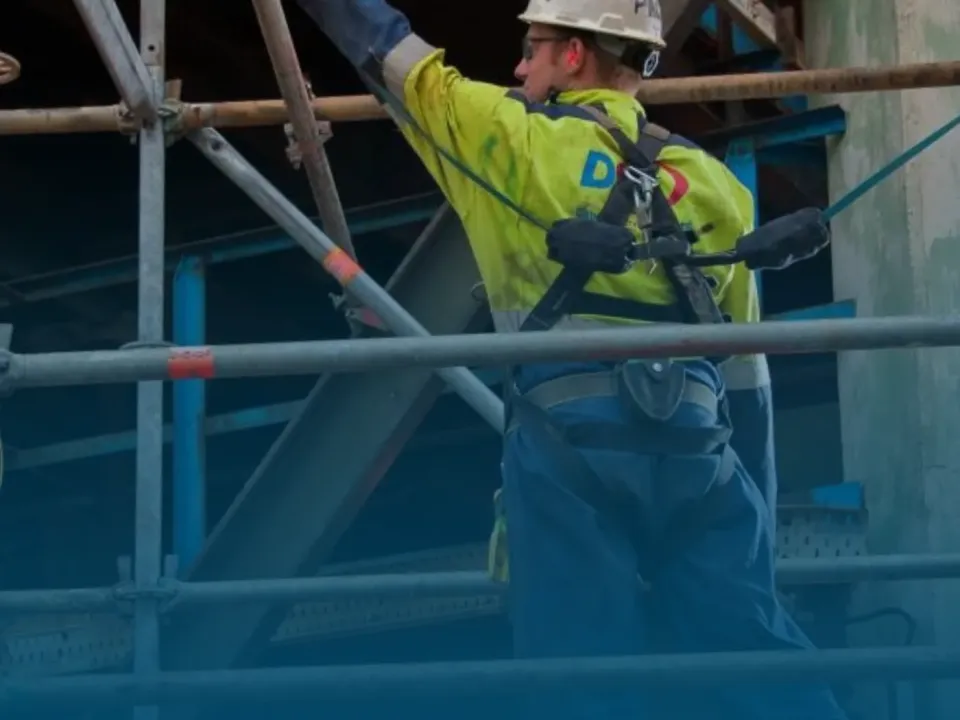
What TKPK mistake most frequently triggers fatal accidents at worksites? The answer is incorrect anchorage selection and ignoring proper fall clearance calculations. Many technicians feel safe simply because they are wearing a harness. However, without accurately calculating free fall distance, the risk of striking structures below remains extremely high in the event of a fall.

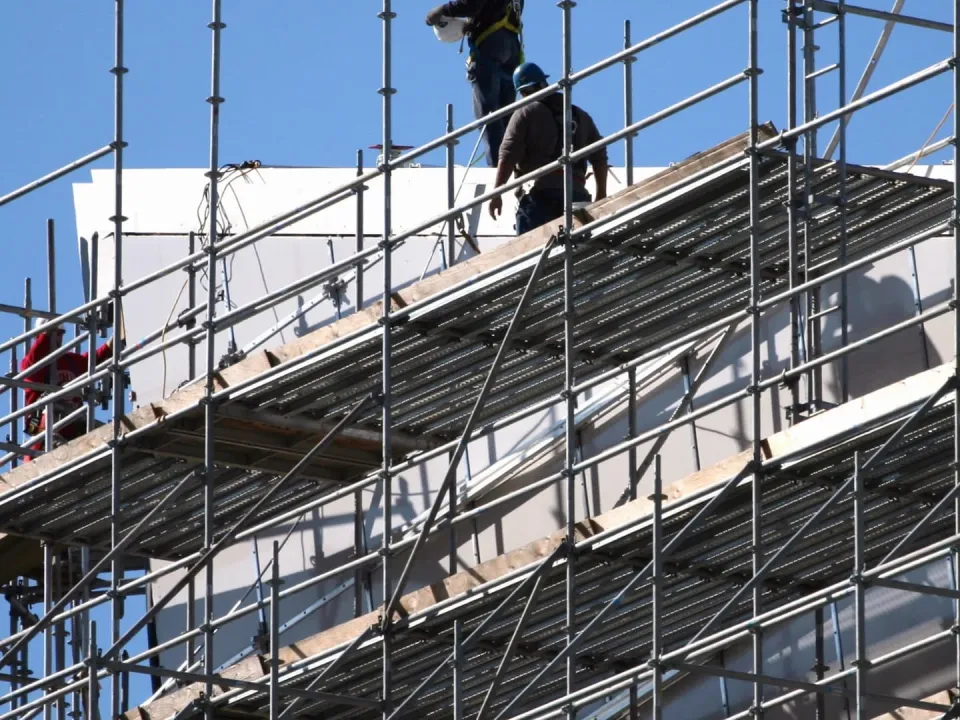
Working at height remains one of the highest-risk activities across industries in Indonesia. According to workplace accident data, falls from height continue to be a leading cause of fatal injuries.

The two most common mistakes that trigger these tragedies are selecting the wrong anchorage point and ignoring proper fall clearance calculations.

Many technicians feel safe simply because they are wearing a full body harness. However, without accurately calculating the free fall distance, the risk of striking structures below remains extremely high.

SPANSET INDONESIA LIFELINE SAFETY

Practical for safety and work efficiency!

APPLY NOW

1. Mistakes During the Preparation Stage

Many work-at-height accidents begin before the technician even climbs the structure. The preparation stage is the foundation of safety.

Ignoring the Job Safety Analysis (JSA) and Special Work Permit

The JSA is a mandatory document used to identify site-specific hazards such as exposed electrical cables, corroded structures, or slippery surfaces. Without reviewing the JSA before starting work, the team relies only on intuition and past experience, which may not reflect current site conditions.

Prevention: Always review the JSA with the team and ensure the Permit to Work has been approved by the responsible authority. This is not a formality, but a legal and technical basis to stop work if conditions become unsafe.

Working While Not Physically Fit to Work

Fatigue, lack of sleep, dizziness, or the effects of medication can reduce concentration and reaction time. At height, losing focus for just a few seconds can be fatal.

Prevention: Implement daily fit-to-work checks, including self-reporting. Companies must build a culture where reporting unfit conditions is seen as a safety responsibility, not a weakness.

Skipping the Toolbox Meeting

A toolbox meeting is not just a short briefing. It is a critical opportunity to align the team on approved anchorage points, new hazards, and emergency communication procedures.

Prevention: Conduct it every morning with active participation from all team members. Record key points and require signatures for accountability.
2. Mistakes in the Use of PPE and Technical Equipment

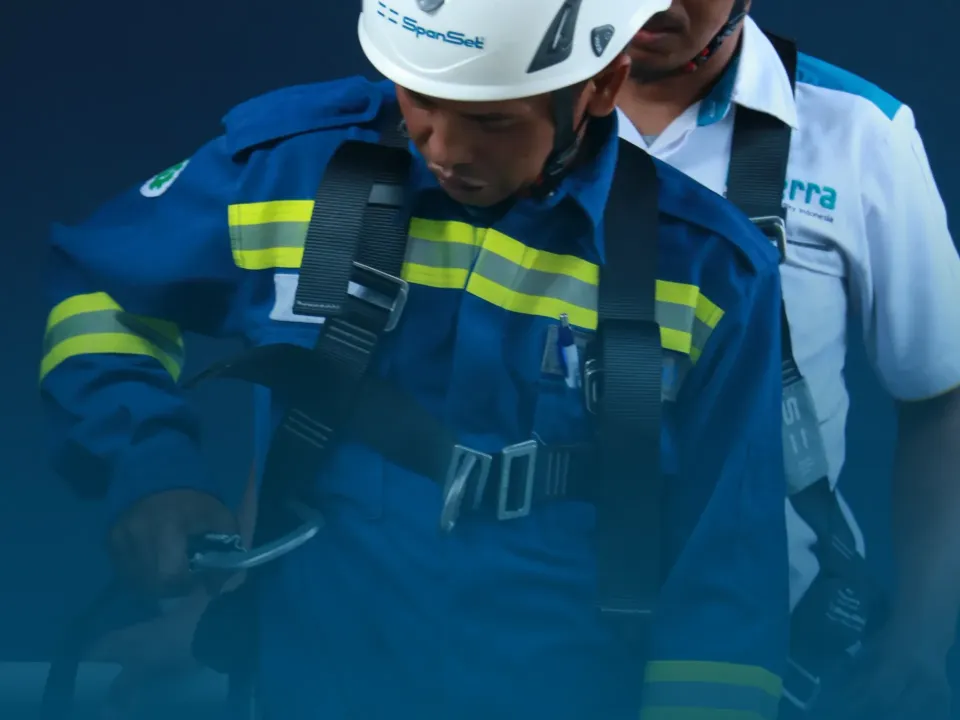
Loose or Poorly Fitted Full Body Harness

A harness that is not properly adjusted can shift during a fall, causing the arrest force to concentrate on sensitive areas such as the abdomen, chest, or groin, potentially leading to serious internal injuries.

Prevention: Adjust the harness every time it is worn. Ensure the dorsal D-ring is positioned between the shoulder blades and all straps are tight yet comfortable. Verify the certification label (EN 361 or equivalent).

Skipping Pre-Use Inspection of Rope, Carabiners, and Lanyards

Daily visual inspection must include checks for cuts in the webbing, deformation of carabiners, discoloration from UV exposure or chemicals, and smooth operation of locking mechanisms.

Prevention: Use a standard inspection checklist. Any equipment that has been subjected to a fall load or severe abrasion must be removed from service immediately, even if it appears “still in good condition.”

Incorrect Lanyard Selection (Ignoring the Shock Absorber)

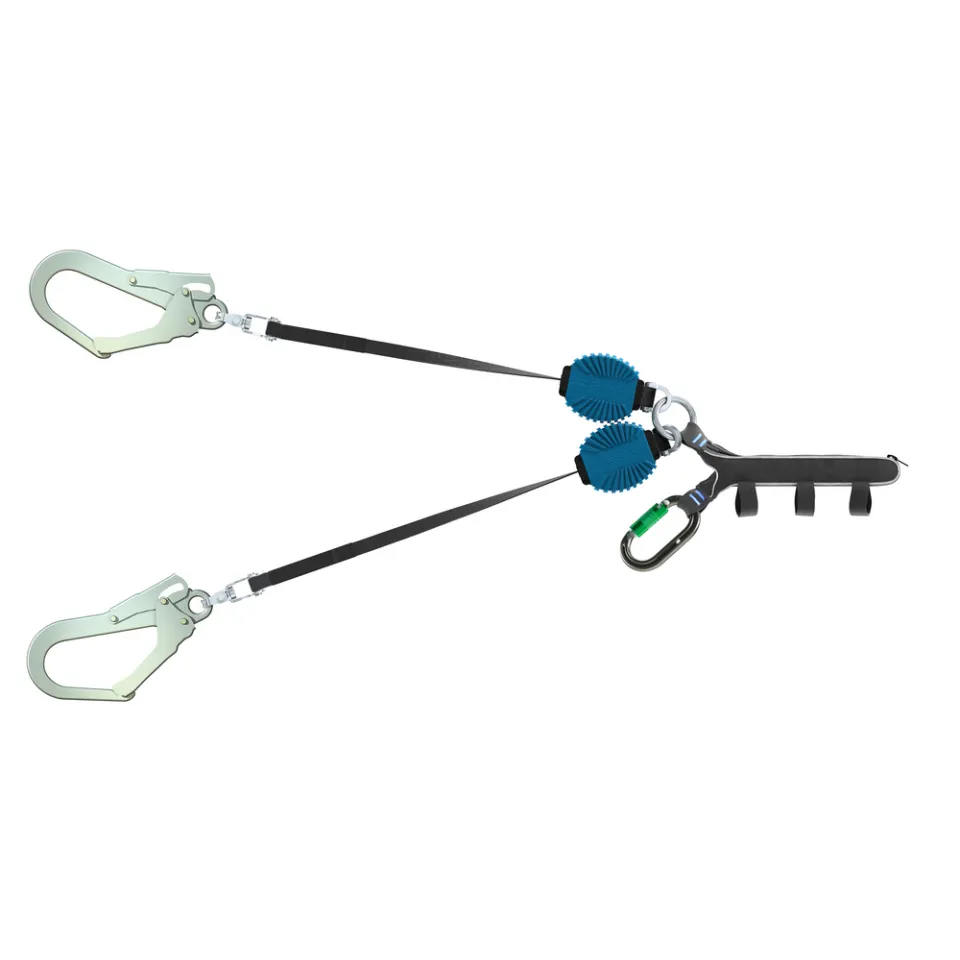
A lanyard without an energy absorber can generate arrest forces of 6–8 kN, exceeding human tolerance limits and risking spinal injury or anchorage failure.

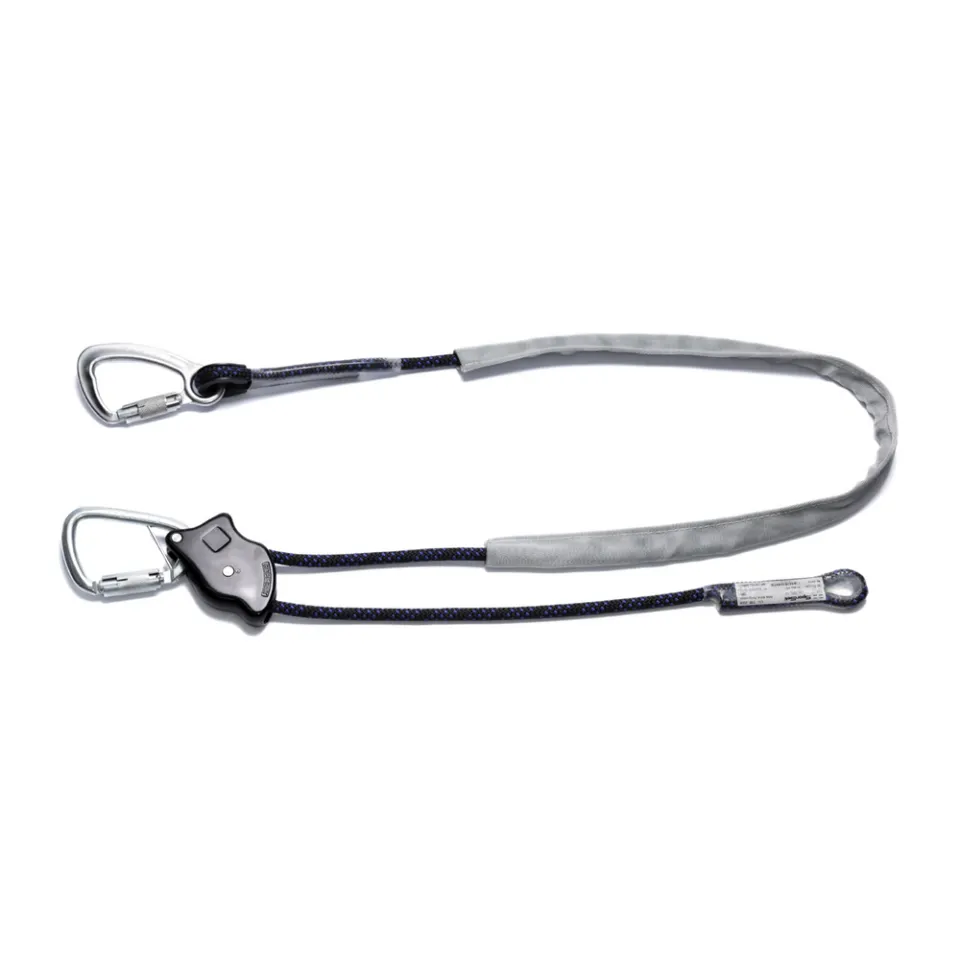
Prevention: Use lanyards with shock absorbers for fall arrest. Clearly distinguish between positioning lanyards (without absorbers) and fall arrest lanyards.

3. Mistakes in Anchorage Placement and Selection

Choosing an Anchorage Point That Cannot Withstand Shock Load

An anchorage point must be able to withstand at least 22.2 kN (5,000 lbs) per person according to international standards, or comply with certified structural ratings applicable in Indonesia.

Prevention: Use only certified permanent anchorage points or properly tested temporary anchors. Never attach to small pipes, guardrails, or wooden structures without verification from a competent person.

Installing a Temporary Anchor Over Sharp Edges Without Edge Protection

Friction over sharp edges can cut through a rope or webbing like a saw when the line is tensioned under load.

Prevention: Always install edge protectors or edge rollers. Inspect the rope path before starting work.

Ignoring the Risk of Swing Fall

A swing fall occurs when the anchorage point is not directly above the working position, causing the body to swing like a pendulum and potentially strike nearby structures with significant force.

Prevention: Limit the rope angle to a maximum of 30° from the vertical line. Calculate the swing radius and ensure the fall zone is free from obstructions.

4. Technical Mistakes While Working at Height

Ignoring the Three-Point Contact Principle

This principle (two hands and one foot, or two feet and one hand) is the foundation of stability when climbing or descending ladders and structures.

Prevention: Use a tool bag or hoisting system so both hands remain free to hold the structure securely.

Failing to Calculate Fall Clearance Accurately

Simple fall clearance formula (common example):

Fall Clearance = Lanyard Length + Shock Absorber Extension (typically 1.75 m) + Worker’s Height + Safety Margin (0.5–1 m)

Example: 2 m lanyard + 1.75 m absorber + 1.8 m body height + 1 m margin = at least 6.55 m of clearance required below the feet.

Prevention: Recalculate for every working position. Never assume the area is “high enough” without proper calculation.

Leaving Tools Unsecured (Dropped Objects Hazard)

Even small objects falling from a height of 10 meters can cause fatal injuries to people below.

Prevention: Use a tethering system (tools lanyard) for all equipment. Keep the area below the work zone clear and restricted.

5. Mistakes in Emergency Procedures (Rescue)

Working Alone Without a Buddy System

Without a supervising partner, the critical rescue window can be lost in the event of a fall or medical emergency.

Prevention: Implement a buddy system with constant communication (radio or visual contact).

No Rescue Kit and No Ready-to-Use Evacuation Plan

Relying solely on external emergency teams is often too slow. Field teams must be capable of performing self-rescue or assisted rescue within minutes.

Prevention: Prepare a rescue kit (including descender, rope, and related equipment) at the work location and conduct regular rescue drills.

Lack of Understanding About Suspension Trauma

Suspension trauma can lead to death within 5–15 minutes due to impaired blood circulation. Symptoms include nausea, dizziness, and shortness of breath.

Prevention: Use suspension relief straps if suspended for an extended period. After rescue, do not lay the victim flat immediately; keep them in a semi-seated or recovery position according to medical protocols.

6. Violations of Competency and Administrative Compliance

Working Beyond the Authority of TKPK License (Level 1, 2, or 3)

Each level has clearly defined authority limits according to Indonesian Ministry of Manpower (Kemnaker RI) regulations. Level 1 is for basic operations, Level 2 for supervision, and Level 3 for system design and complex rescue planning.

Prevention: Strictly follow competency classifications. Never take on tasks beyond the scope of your license.

Ignoring SIO Validity and Neglecting the Logbook

An expired SIO may indicate that the worker has not received the latest safety updates. The logbook serves as documented proof of field experience required for level advancement.

Prevention: Monitor license validity systematically and complete the logbook after every job.

7. Improving TKPK Competency Professionally

Avoiding the mistakes above requires a strong combination of theoretical knowledge, practical skills, and a consistent safety culture. High-quality training that integrates Kemnaker RI standards with international best practices is one of the best investments you can make for your team’s safety.

SpanSet Indonesia, an official Kemnaker-authorized TKPK training provider, offers Level 1, 2, and 3 programs with an intensive practical approach, real-condition simulations at a dedicated training center, and instructors with extensive field experience. The curriculum covers fall clearance calculation, risk management, rescue techniques, and the proper use of high-standard equipment.

Next Step

If you or your team need to improve work-at-height safety competency, consult the specific risk profile of your workplace. Choose training that not only provides certification, but also builds a proactive safety mindset that lasts in real field conditions.

Remember: Safety at height is not about luck, but about discipline, knowledge, and proper preparation. One small mistake can be fatal — one correct decision can save a life.

Interesting Articles

Main Components of Scaffold

Scaffolds have an important role in the world of construction. Then, what are the main components of the scaffold? Check out the following...


Find Us