Height Safety

What Is Fall Arrest?

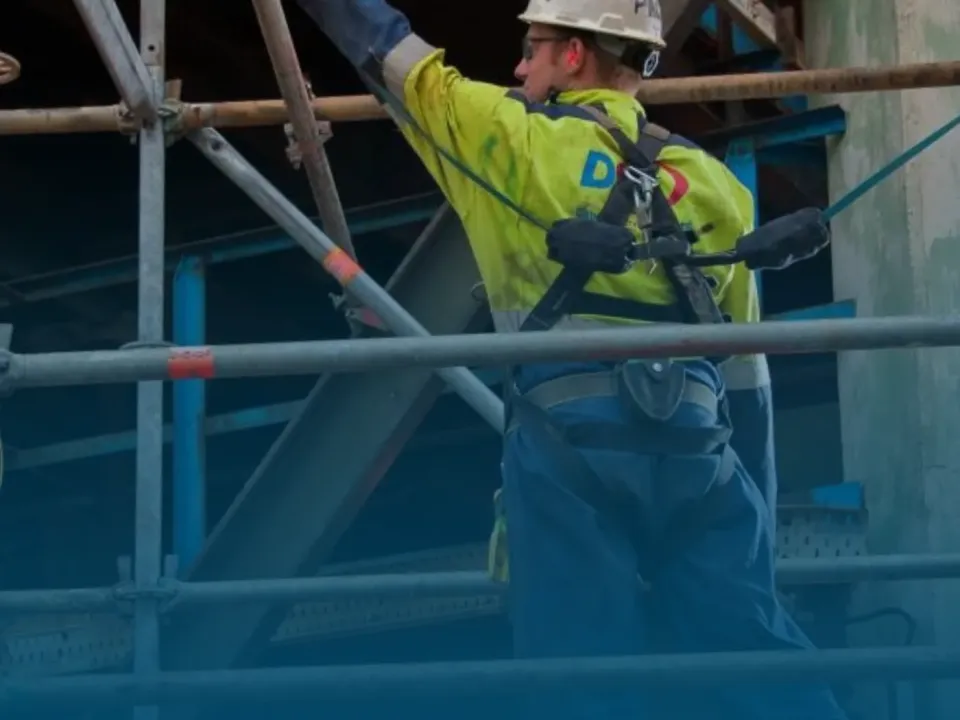
Fall Protection System for Workers at Height

In work environments involving heights, worker safety is the top priority.

One of the most important safety systems to protect workers from fatal fall injuries is fall arrest.

This system is designed to stop or reduce the impact of a worker’s fall, preventing serious accidents that can occur when working at heights.

What Is Fall Arrest?

Fall arrest is a safety system designed to stop a worker’s fall and prevent fatal injuries from falling.

Technically, fall arrest is part of a Personal Fall Arrest System (PFAS), used when the risk of falling cannot be eliminated with passive protection (such as guardrails).

The main objectives of a fall arrest system are:

  • Stop the worker after a fall so they do not hit the surface below.
  • Absorb the force received by the body to minimize trauma.
  • Distribute the fall force evenly to the appropriate parts of the body through a full body harness.
  • Ensure the worker is suspended in a safe position, facilitating evacuation or rescue.

Fall arrest is typically used in high-risk work such as building construction, maintenance of tall structures, telecommunications tower work, and industrial plant maintenance.

The implementation of this system is mandatory when the working height exceeds 2 meters, in accordance with occupational safety regulations in Indonesia.

SPANSET INDONESIA TRAINING

Practical training for safety and work efficiency!

APPLY NOW

How Does Fall Arrest Work?

To understand how this system works, we need to see how each component works together to safely stop a fall and reduce the risk of serious injury.

Principles of Fall Arrest System

The fall arrest system works by gradually stopping the fall, keeping the force on the body within safe limits. When a worker falls, the fall arrest components (harness, lanyard/lifeline, fall absorber, and anchor point) work together to:

  • Support the body weight before hitting the surface below.
  • Absorb or dampen the energy from gravity so the impact force does not exceed safe limits.
  • Distribute the force to stronger parts of the body (shoulders, pelvis, thighs) via the harness.
  • Maintain a safe suspended position so the worker does not slip from the harness and rescue is easier.

If any component fails (e.g., the anchor point is not strong enough), the system will not function optimally, increasing the risk of fatal injury.

Main Components of a Fall Arrest System

Component

Main Function

Technical Notes / Key Standards

Full Body Harness

Supports the body and distributes fall forces to strong points of the body

Must have dorsal D-ring; force distributed to chest, back, shoulders, thighs

Lanyard / Lifeline

Connects the harness to the anchor and absorbs energy during a fall

Shock absorber ≤ 1,800 lbs (8 kN); SRL optional; UV & abrasion-resistant materials

Anchor Point

Main structural point that holds fall loads

Must support ≥15 kN (Indonesia) / 2,250 lbs (OSHA); ideally above the worker's head

Fall Absorber

Reduces fall energy and impact on the body

Webbing absorber, spring, or gel; maintains acceleration within safe limits

Rescue Plan & Additional Equipment

Handles evacuation after a fall and prevents suspension trauma

Rescue kit must be available; training and rescue procedures required

1. Full Body Harness

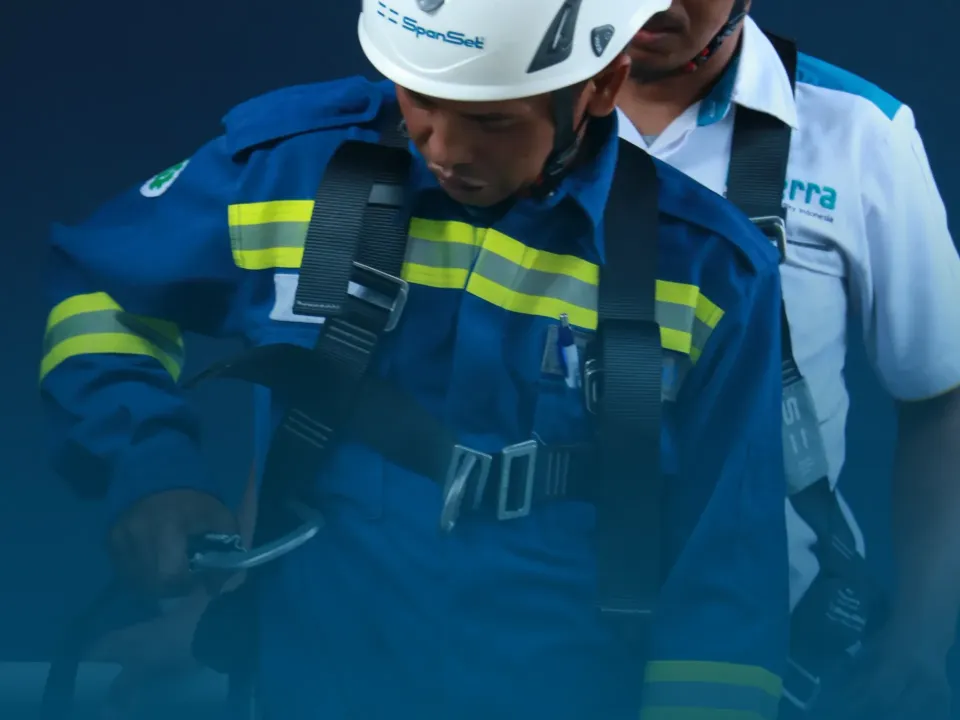
The harness is worn directly by the worker. It is designed to distribute fall forces evenly to strong parts of the body, such as the chest, back, shoulders, and thighs. Standard harnesses have a dorsal D-ring for connection to a lanyard or lifeline. The body remains upright when suspended, reducing the risk of trauma.

2. Lanyard / Lifeline

This device connects the harness to the anchor point. There are two main types:

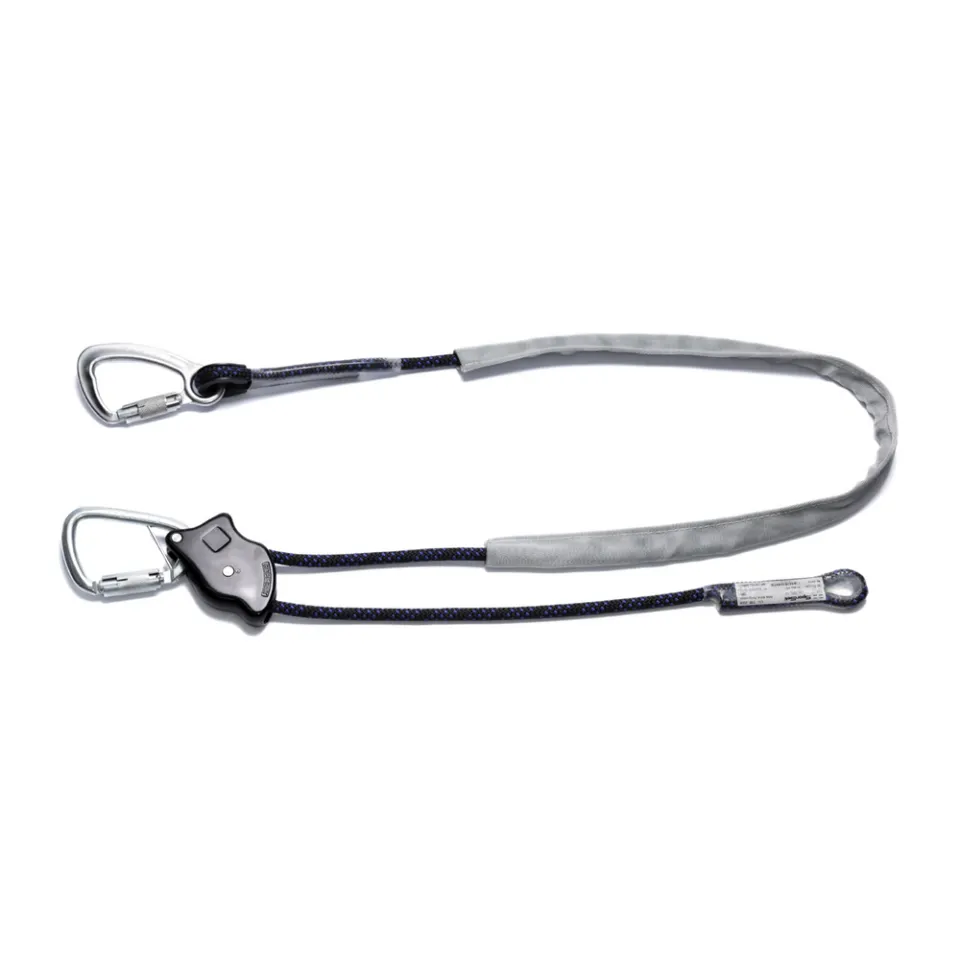
  • Standard lanyard with an internal shock absorber
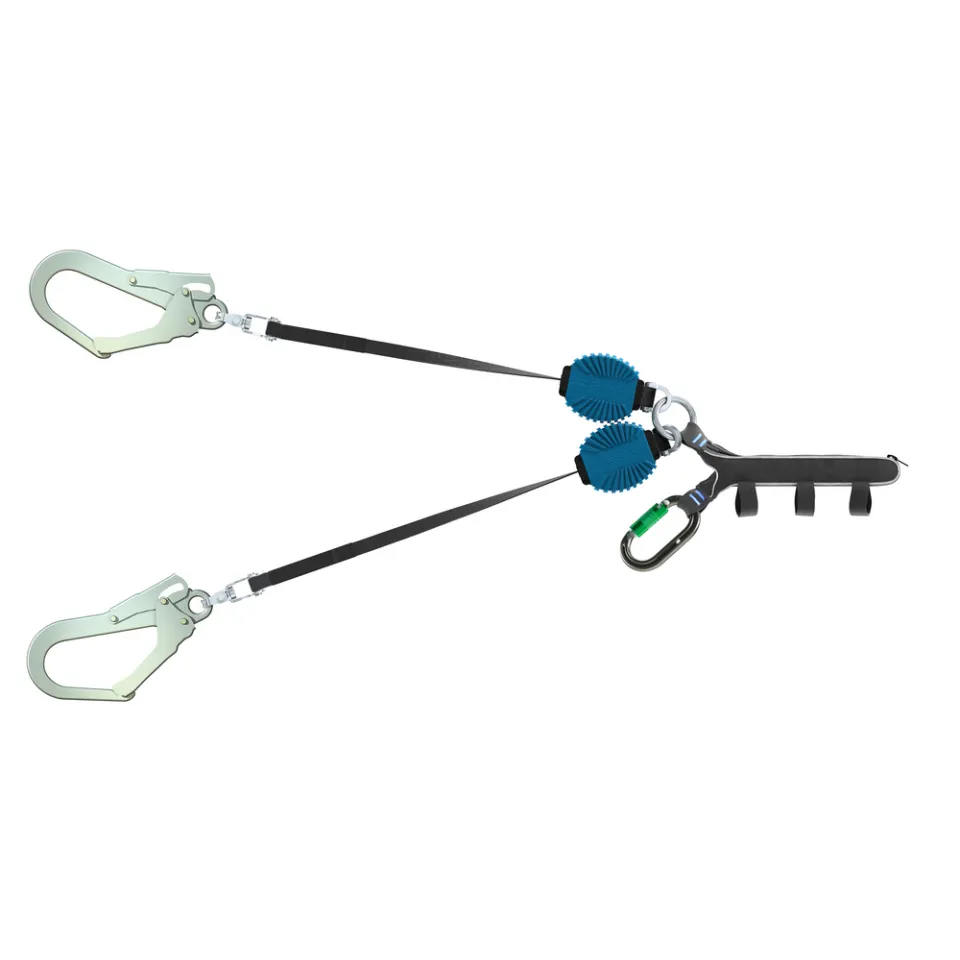
  • Self-Retracting Lifeline (SRL) that automatically retracts the line as the worker moves

The shock absorber ensures that the force on the body during a fall does not exceed 1,800 lbs (about 6 kN), in accordance with OSHA limits.

3. Anchor Point

This is a structural point designed to hold dynamic loads. Must be tested and meet standards:

  • ≥15 kN according to Indonesian standards
  • ≥2,250 lbs (10 kN) according to OSHA
    Anchor placement is recommended above the head to reduce free fall distance.

4. Fall Absorber

This device absorbs kinetic energy during a fall. Examples include:

  • Webbing energy absorber (stretches under load)
  • Spring or gel system
    Its main function is to reduce sudden acceleration so the force does not harm the body.

5. Rescue Plan & Additional Equipment

After the fall is arrested, the worker must be promptly evacuated to prevent suspension trauma. Therefore, the fall arrest system must include:

  • Rescue kit (evacuation equipment)
  • Clear rescue procedures
  • Regular training for workers, including inspection and proper use of equipment

Types of Fall Arrest Systems

Here are some common types of fall arrest systems used in various work environments:

1. Fixed-Length Lanyard System

Involves a fixed lanyard connecting the harness to the anchor point. Usually equipped with an internal shock absorber. Suitable for work areas with short fall distances (e.g., <2–3 meters). Limitation: fixed lanyard length can restrict movement.

2. Self-Retracting Lifeline (SRL) System

SRL allows workers more freedom of movement. The line automatically retracts or extends as the worker moves, keeping the free fall distance very short (<2 feet or ~0.6 meters) according to standards. SRL reduces the risk of long falls and decreases impact forces.

3. Safety Net System

Used in large work areas or where lanyards are difficult to install as collective protection. Nets are installed below the work area to catch falling workers.

Ideal for early-stage high-rise construction or large exterior work. Nets must be designed and tested to withstand fall loads according to standards.

4. Horizontal & Vertical Lifeline Systems

  • Horizontal Lifeline: Line installed between two horizontal anchor points, allowing workers to move laterally while remaining connected.

Vertical Lifeline: Vertical line connecting the worker to an overhead point, generally used for vertical climbing (e.g., ladders, towers).

Both systems require SRL or an appropriate shock absorber to safely arrest falls.

Benefits of Using a Fall Arrest System

Here are some key benefits of implementing this system:

1. Prevents Fatal Injuries

By stopping workers before falling too far, the impact force is reduced, significantly lowering the risk of fractures or head trauma.

2. Compliance with Safety Standards

Complies with regulations such as Permenaker No.9 of 2016, SNI 8603:2018, and international standards like OSHA 1926.502, ANSI Z359, EN 363. Compliance protects companies from legal sanctions and insurance claims.

3. Boosts Worker Confidence and Morale

Workers who feel protected by a reliable system tend to be more focused and productive, reducing stress related to fall hazards.

4. Operational Efficiency

With the right system, downtime due to accidents can be minimized, and maintenance or equipment replacement costs decrease when usage follows proper procedures.

How to Choose the Right Fall Arrest System

Here are some factors to consider when selecting a fall arrest system:

1. Match the System to Job Type and Height

For simple vertical tasks, a full body harness with a lanyard may be sufficient. For larger work areas or high free fall risk, consider an SRL or a horizontal lifeline system.

2. Consider Load Capacity and Worker Size

Ensure components (harness, lanyard, SRL) are appropriate for the worker’s weight plus equipment. Review manufacturer specifications and certifications.

3. Comply with Standards and Certifications

Choose products labeled SNI/EN/ANSI/CE/OSHA compliant. Ensure anchor points in structures are tested by competent personnel.

4. Evacuation Plan and Training

A fall arrest system is only effective if workers and rescue teams understand the rescue procedures. Provide regular training and fall response simulations.

5. Routine Inspection and Maintenance

Conduct daily visual inspections before use, thorough inspections by competent personnel every six months, or as recommended by the manufacturer. Replace components if damaged, worn, or after a fall incident.

Fall arrest is a critical safety system to prevent injury or death from falls. By selecting the appropriate system, adhering to safety standards, and providing training, routine inspections, and evacuation plans, workplace risks can be significantly reduced. Ensure your system meets the highest standards—contact SpanSet Indonesia for fall arrest solutions, training, and inspection services.

Interesting Articles

Main Components of Scaffold

Scaffolds have an important role in the world of construction. Then, what are the main components of the scaffold? Check out the following...


Find Us