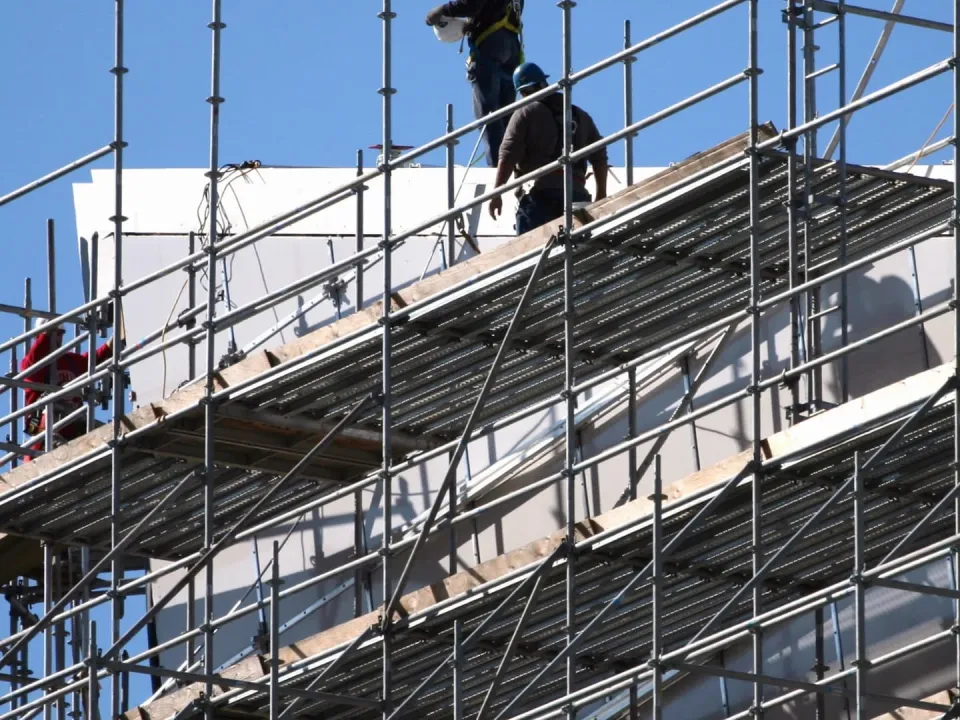
Height Safety

Fall Protection Equipment Inspection

Frequency and Procedures

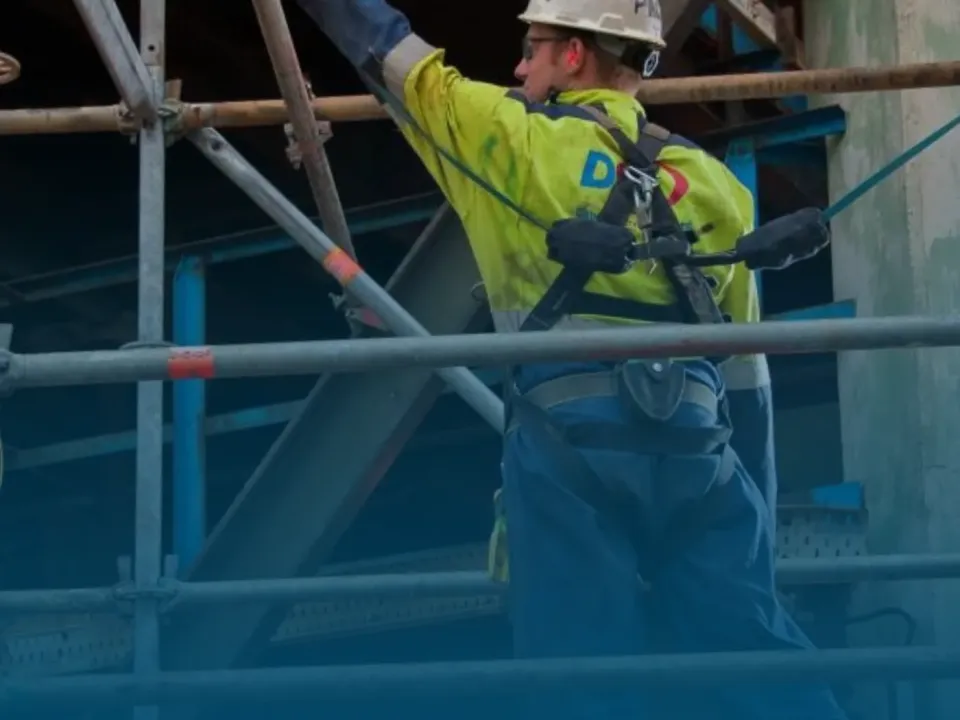
When working at height, safety depends on one crucial factor: fall protection equipment that functions perfectly. Unfortunately, many still treat equipment inspection as a mere formality, when in reality, even a small mistake can be fatal.

Regular inspection is not just a regulatory requirement, but also an essential part of ensuring that every safety device operates optimally when needed.

What Is Fall Protection?

Fall protection is a system designed to prevent or stop a worker’s fall from height. It consists of various components such as a harness, lifeline, anchor point, and fall arrester, all working together to protect the user from serious injury caused by a fall.

This system is used across high-risk industries such as construction, energy, telecommunications, logistics, and facility maintenance.

SPANSET INDONESIA TRAINING

Practical training for safety and work efficiency!

APPLY NOW

Why Fall Protection Equipment Inspection Is Important

Here are several reasons why inspecting fall protection equipment is essential:

1. Ensuring Worker Safety

Regular inspections ensure that all equipment is in excellent condition and ready for use at any time. Worn straps, jammed locks, or torn harnesses can create hazards that may lead to fatal accidents.

2. Meeting Safety Standards

Fall protection equipment must comply with standards such as OSHA, ANSI Z359, or European EN standards. Regular inspections help maintain compliance and prevent legal risks.

3. Extending Equipment Lifespan

Like any other work equipment, regular maintenance and inspection will extend its lifespan, reduce replacement costs, and maintain optimal performance.

Steps for Inspecting Fall Protection Equipment

Here are the general steps for inspecting fall protection equipment:

1. Safety Harness Inspection

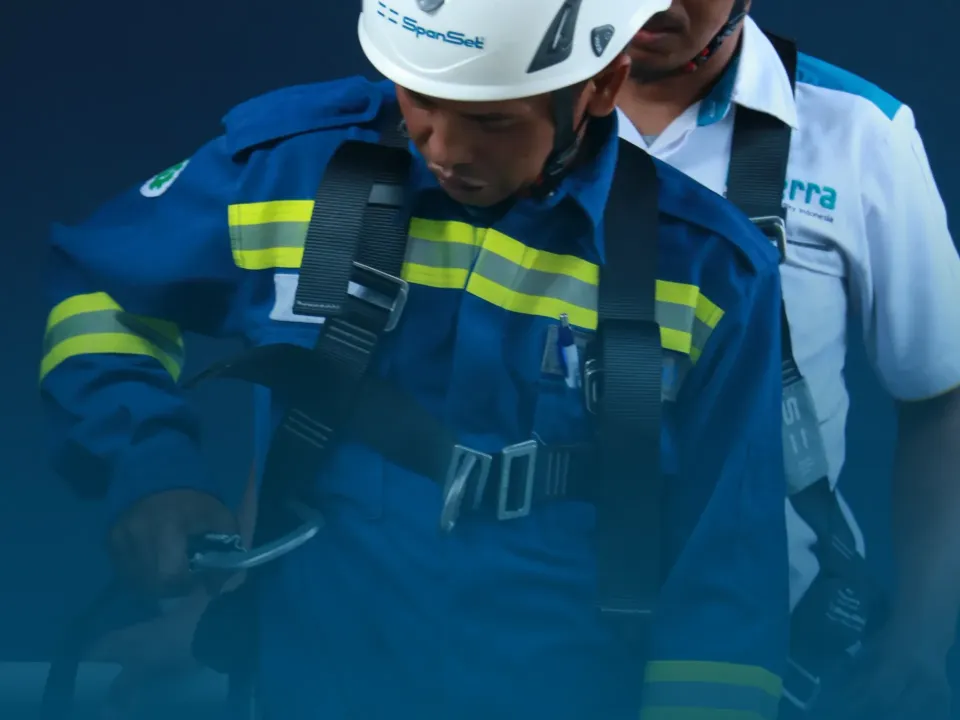
  • Check the stitching and webbing: make sure there are no tears, fraying, or signs of deterioration.
  • Inspect connectors, D-rings, and buckles: ensure there is no rust, cracks, or deformation.
  • Verify that all locking mechanisms operate smoothly and can be securely fastened.

2. Safety Lanyard Inspection

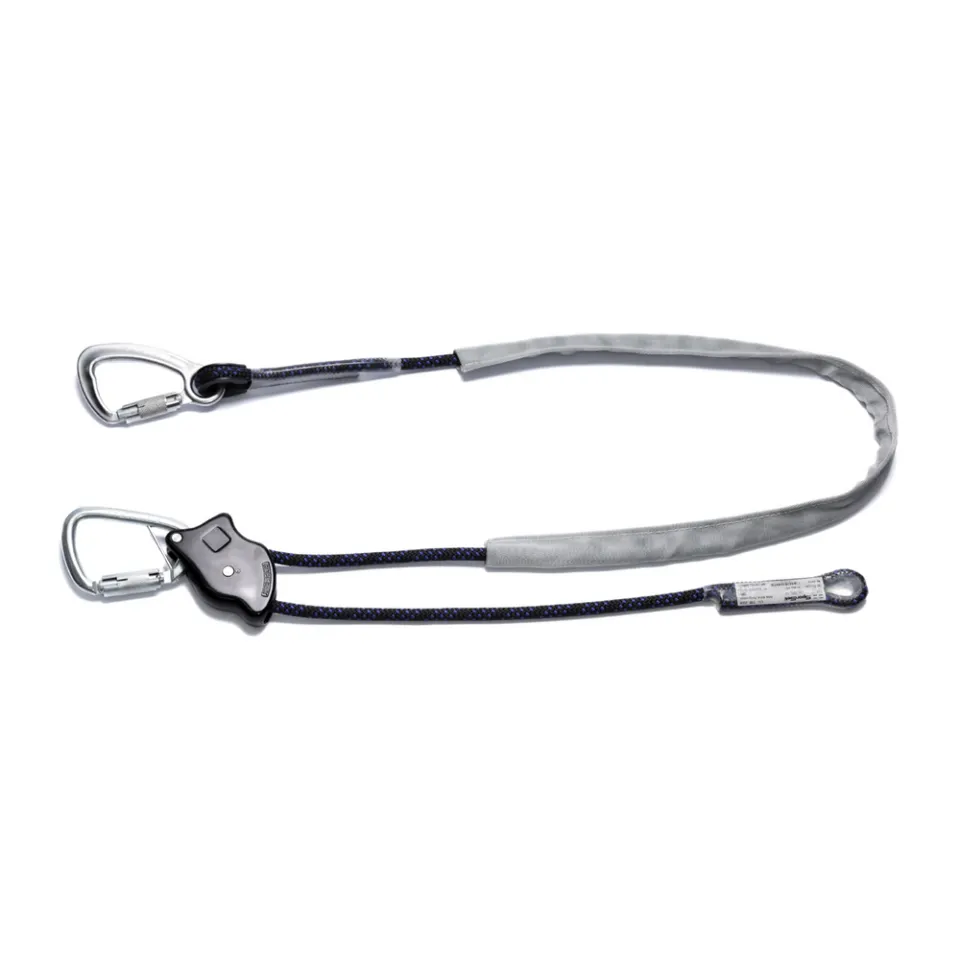
  • Check the physical condition: look for any cuts, abrasions, or stiffness.
  • Ensure there is no contamination from oil, chemicals, or seawater.
  • Inspect all terminations and connectors at both ends of the lanyard.

3. Anchor Point Inspection

  • Ensure the mounting structure is stable and securely fastened.
  • Check for corrosion, cracks, or deformation caused by overloading.
  • Verify that the anchor point still meets the required minimum tensile strength.

4. Fall Absorber (Energy Absorber) Inspection

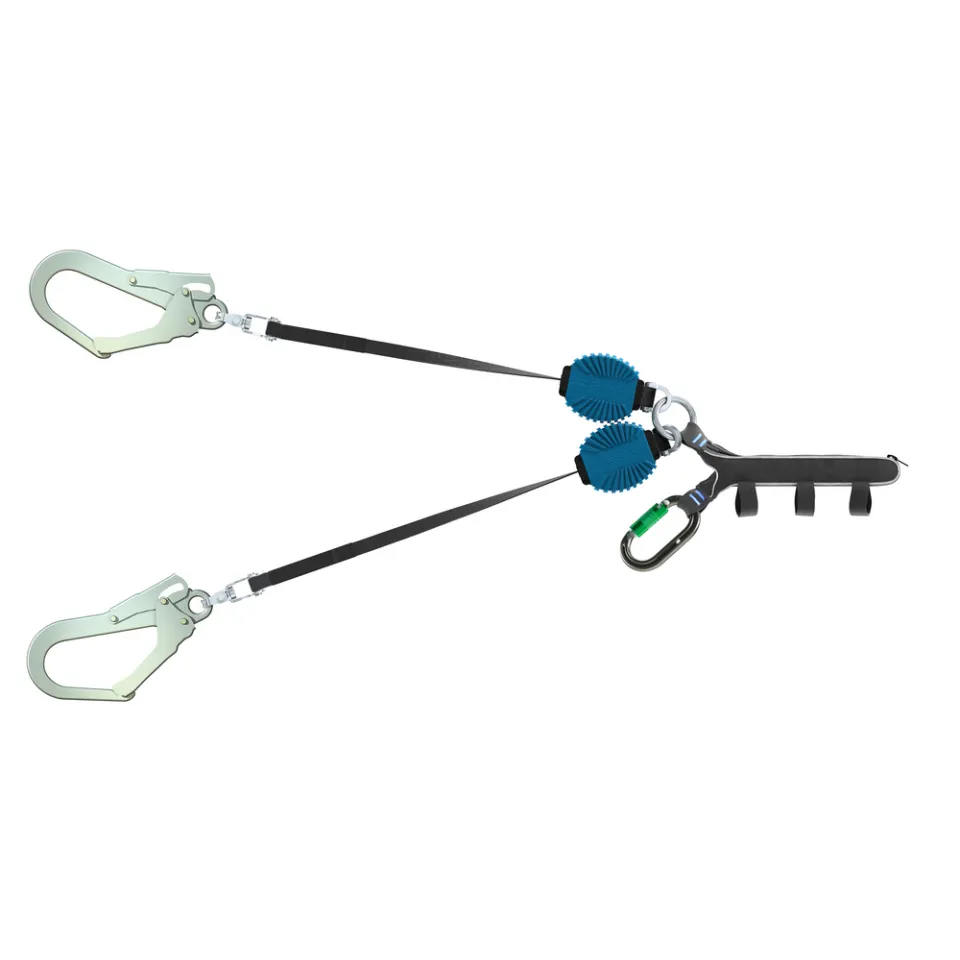
  • Check the usage indicator: see if it shows signs of having been deployed.
  • Ensure there is no physical damage to the housing, stitching, or internal components.
  • Do

Fall Protection Equipment Inspection Frequency

The inspection frequency varies depending on the type of equipment and its usage. Below are the three common levels of inspection:

1. Daily Inspection

  • Conducted by the user before each use.
  • Focuses on obvious visual damage and basic functionality of the equipment.

2. Periodic Inspection (Weekly/Monthly)

  • Performed by a safety officer or technician.
  • Covers a more detailed assessment, including functional testing.

3. Annual Inspection (Yearly/Periodic by Certified Expert)

  • A comprehensive examination carried out by a certified professional.
  • Typically includes written documentation, load testing, and equipment history evaluation.

Note: Some SpanSet Indonesia products come equipped with usage indicators or inspection labels to facilitate easy tracking and monitoring.

Ensuring Compliance with Safety Standards

Adhering to international standards is not just about compliance—it’s also a guarantee that your system has been tested for real-world conditions.

1. Following Official Standards

  • ANSI Z359.1 and OSHA 1926.502 for the American market
  • EN 361, EN 354, and EN 795 for European standards
  • All inspections must refer to the standards applicable to the equipment in use

2. Inspector Certification and Training

  • Comprehensive inspections must be carried out by personnel who have received training from an accredited institution or the equipment manufacturer.
  • SpanSet provides inspection training for companies seeking to enhance the capabilities of their internal safety teams.

Inspection Is an Investment in Safety

Inspecting fall protection equipment is not just a routine procedure—it’s a vital step to ensure that every component functions optimally when needed. Through regular inspections, potential hazards can be identified and prevented before accidents occur.

PT SpanSet Indonesia is ready to help you maintain a reliable safety system—from professional inspections and technical training to equipment recommendations that meet industry standards. Contact us for a consultation and make workplace safety your top priority.

Interesting Articles

Main Components of Scaffold

Scaffolds have an important role in the world of construction. Then, what are the main components of the scaffold? Check out the following...

Find Us