Height Safety

Occupational Safety Equipment

A Complete Guide to Workplace Safety for Modern Industries with Spanset Indonesia

Workplace safety requires proper systems, procedures, and occupational safety equipment. Occupational safety equipment helps protect workers from injury risks, workplace accidents, exposure to hazardous materials, and potential fatalities in industrial, construction, logistics, manufacturing, mining, and warehousing environments.

Spanset Indonesia provides a wide range of high-quality workplace safety solutions and occupational safety equipment to support national and international industrial safety standards. The right equipment improves operational safety, reduces downtime, and helps companies comply with occupational safety regulations.

What Is Occupational Safety Equipment?

Occupational safety equipment refers to all tools, systems, and devices used to protect workers from workplace accidents and hazards. K3 stands for Occupational Health and Safety.

Occupational safety equipment includes:

  • Safety helmets
  • Safety shoes
  • Body harnesses
  • Safety gloves
  • Protective eyewear
  • Fall protection systems
  • Lifting equipment
  • Respirators
  • Hearing protection

Companies are required to provide occupational safety equipment according to the type of work and level of operational risk.

SPANSET INDONESIA LIFELINE SAFETY

Practical for safety and work efficiency!

APPLY NOW

Functions of Occupational Safety Equipment in Industrial Workplace Safety Systems

Occupational safety equipment serves as the primary layer of protection to reduce the risk of workplace accidents, operational injuries, and fatalities in industrial environments. The proper use of safety equipment helps companies protect workers while improving operational efficiency.

Protecting Workers from Workplace Injury Risks

Personal protective equipment (PPE) helps minimize the impact of workplace accidents on specific parts of the body. Industries such as construction, manufacturing, logistics, and energy involve high-risk operations that require maximum protection.

Workplace Risks That Can Be Reduced with Occupational Safety Equipment

  • Impact from hard objects and falling materials
  • Falls from elevated work areas
  • Exposure to corrosive chemicals
  • Sparks and extreme heat exposure
  • Injuries caused by heavy equipment and industrial machinery
  • Respiratory problems caused by industrial dust
  • Electrical hazards and short circuits

Reducing Fatality Risks in the Workplace

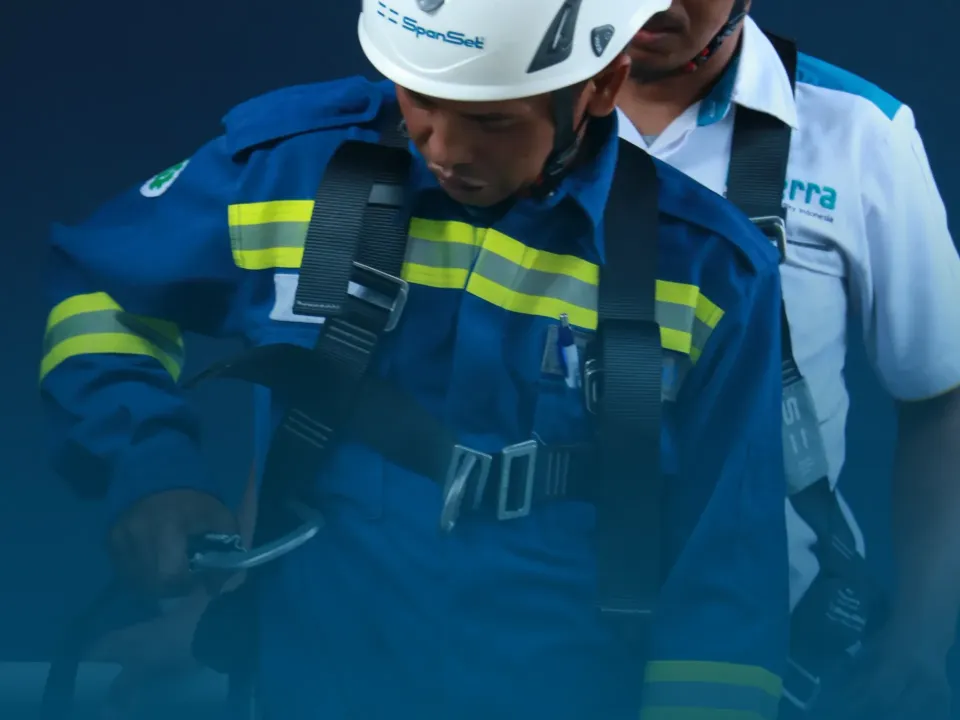
Safety equipment such as full body harnesses, fall arrest systems, and lifelines helps reduce the risk of fatal accidents when working at height. Fall protection systems are essential components in construction projects, building maintenance, oil & gas industries, and telecommunications tower operations.

Improving Compliance with Occupational Safety Regulations

Companies are required to comply with national and international workplace safety regulations to maintain industrial operational standards. The use of appropriate occupational safety equipment helps companies meet safety requirements and reduce the risk of operational penalties.

Increasing Productivity and Operational Efficiency

A safe working environment improves worker focus and reduces downtime caused by workplace accidents. Companies with strong occupational safety systems generally maintain more stable productivity compared to companies with high accident rates.

Occupational Safety Regulations in Indonesia and International Standards

Workplace safety in Indonesia is governed by various government regulations and international standards. Companies are required to implement workplace safety systems according to the level of industrial risk.

1. Workplace Safety Regulations in Indonesia

The Indonesian government has established several key regulations related to workplace safety to protect workers and industrial environments.

a. Law No. 1 of 1970 on Workplace Safety

This law serves as the primary foundation for workplace safety implementation in Indonesia. It regulates company obligations to provide a safe working environment and adequate safety equipment.

b. Government Regulation No. 50 of 2012 on SMK3

This government regulation governs the implementation of the Occupational Health and Safety Management System (SMK3) for companies with high-risk operations.

c. Ministry of Manpower Regulations Related to PPE and Working at Height

Several ministerial regulations govern the use of personal protective equipment (PPE), lifting equipment, and fall protection systems for construction work and heavy industries.

2. International Standards for Occupational Safety Equipment

Many industrial companies adopt global standards to ensure the quality and safety of workplace safety equipment.

a. ISO 45001

ISO 45001 is an international occupational health and safety management system standard that helps companies manage operational risks systematically.

b. ANSI Safety Standards

ANSI establishes industrial safety standards for equipment such as safety helmets, body harnesses, and lifting equipment.

c. OSHA Standards

OSHA serves as a global reference for workplace safety management, especially for construction work and working at height.

d. EN Standards

European EN standards are widely used in premium safety products due to their strict technical testing requirements.

Types of Workplace Hazards That Require Occupational Safety Equipment

Every work environment has different potential hazards. Risk identification is an important step before determining the appropriate occupational safety equipment to use.

Physical Hazards in Industrial Areas

Physical hazards are among the most common workplace risks in construction projects and manufacturing environments.

Examples of Physical Hazards

  • Falls from scaffolding and work platforms
  • Being struck by construction materials
  • Exposure to industrial machine noise
  • Heavy equipment vibration
  • Extreme temperatures in production areas

Mechanical Hazards from Machinery and Heavy Equipment

Moving machinery and heavy equipment can cause serious injuries if workers do not use safety equipment according to standards.

Examples of Mechanical Risks

  • Crane accidents
  • Forklift collisions
  • Conveyor entanglement
  • Press machines and rotating equipment
  • Heavy material lifting operations

Chemical Hazards in Production Environments

Exposure to hazardous chemicals can cause both short-term and long-term health problems.

Types of Hazardous Chemical Exposure

  • Toxic gases
  • Industrial dust
  • Corrosive liquids
  • Flammable chemical vapors
  • Hazardous micro particles

Working at Height Hazards

Working at height has one of the highest fatality risks in the construction and maintenance industries.

Main Risks of Working at Height

  • Falls from building structures
  • Anchor point failure
  • Incorrect harness usage
  • Slippery working surfaces
  • Extreme weather conditions

Types of Occupational Safety Equipment Required in Industry

The selection of occupational safety equipment must be adjusted to the type of work, level of risk, and industrial safety standards.

Head Protection Equipment

Safety helmets protect the head from impacts and falling materials during work activities.

Features of High-Quality Safety Helmets

  • Impact-resistant materials
  • Strong suspension system
  • Adjustable chin strap
  • ANSI or EN certification

Safety Shoes for Foot Protection

Safety shoes help protect feet from heavy object impact, sharp objects, and slippery surfaces.

Features of Industrial Safety Shoes

  • Steel toe cap
  • Anti-slip outsole
  • Oil-resistant sole
  • Puncture-resistant midsole
  • Anti-static protection

Body Harness and Fall Protection Equipment

Body harnesses are mandatory equipment for work performed at heights above 1.8 meters according to workplace safety standards.

Components of a Fall Protection System

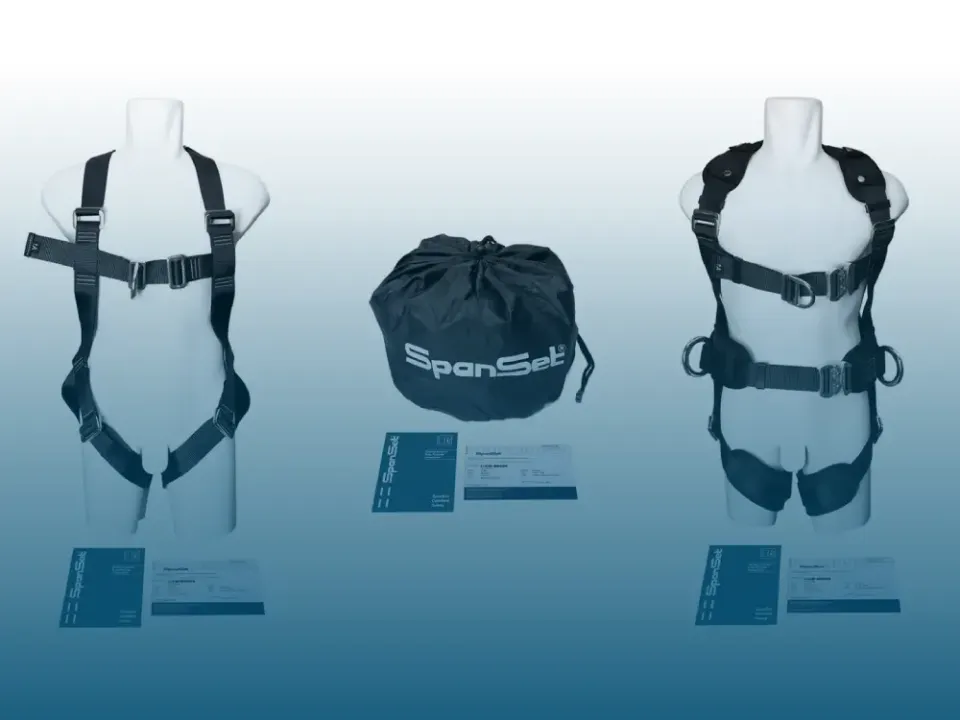
  • Full body harness
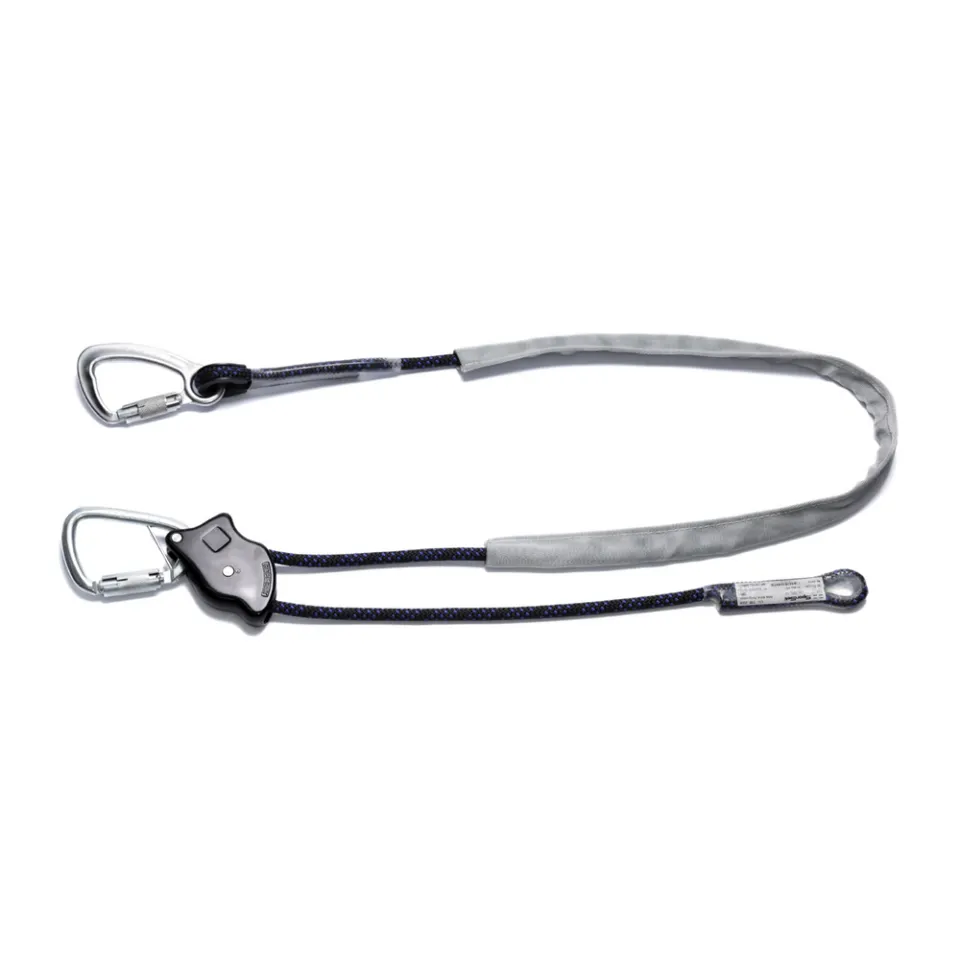
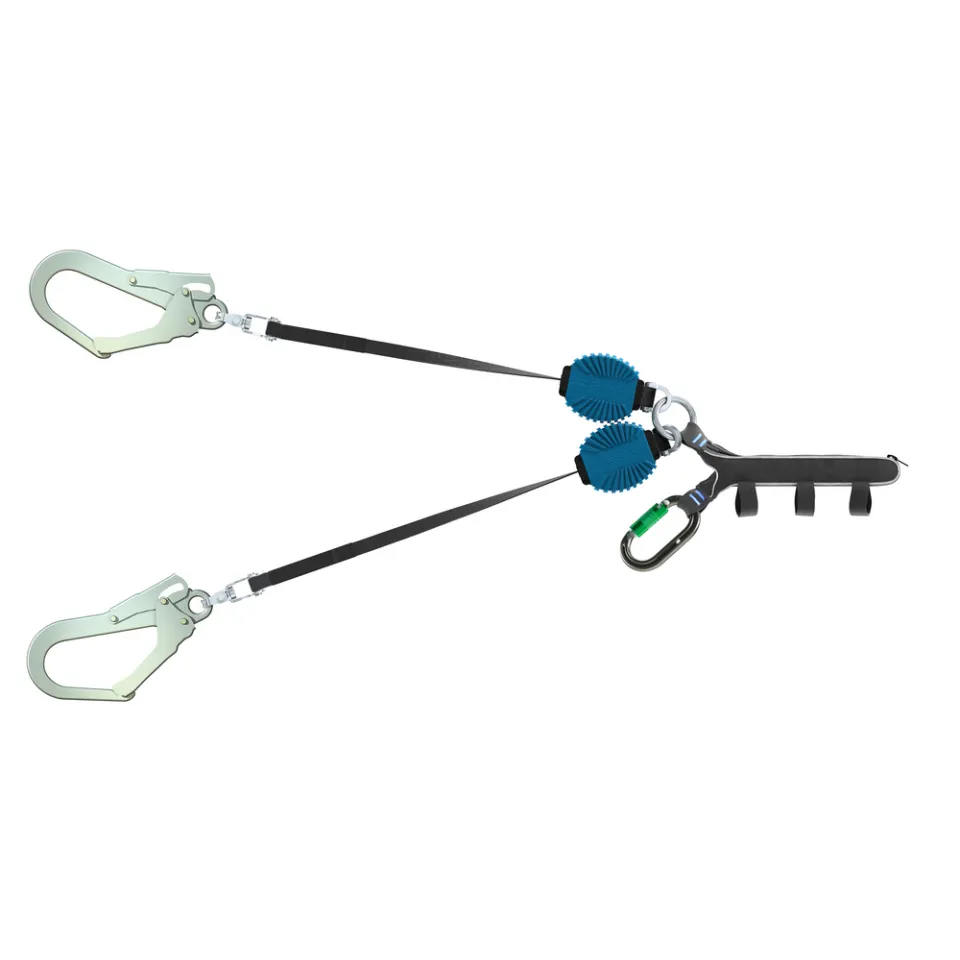
  • Shock-absorbing lanyard
  • Horizontal lifeline
  • Vertical lifeline
  • Anchor point system
  • Carabiners and connectors

Spanset Indonesia provides various high-quality fall protection systems and body harness solutions for construction, energy, and maintenance industries.

Lifting Equipment and Material Handling Safety

Lifting equipment supports safe and efficient heavy material handling processes.

Types of Industrial Lifting Equipment

  • Webbing sling
  • Round sling
  • Chain sling
  • Ratchet tie down
  • Load restraint system
  • Lifting accessories

Importance of Lifting Equipment Inspection

Lifting equipment must be inspected regularly to detect material damage, deformation, corrosion, and reduced lifting capacity.

How to Choose High-Quality Occupational Safety Equipment for Industry

Selecting occupational safety equipment should not be based solely on price. Product quality, certification, and suitability for workplace risks must be the top priorities.

Choose Products with Official Certifications

Certifications indicate that the products have passed safety testing according to industry standards.

Important Certifications to Consider

  • SNI
  • ANSI
  • CE Marking
  • EN Standards
  • OSHA Compliance

Match Equipment with Operational Risks

Each work environment requires different protection based on its potential hazards.

Examples of PPE Selection by Industry

  • Construction requires harnesses and helmets
  • Manufacturing requires gloves and face shields
  • Oil & gas requires flame-resistant clothing
  • Logistics requires lifting safety equipment

Choose a Trusted Safety Equipment Supplier

A professional supplier not only provides products but also supports the implementation of workplace safety systems.

Benefits of Using a Professional Supplier

  • Original and certified products
  • Industrial technical support
  • Equipment inspection services
  • Equipment usage training
  • Safety system consultation

Why Spanset Indonesia Is a Trusted Industrial Safety Equipment Partner

Spanset Indonesia is recognized as a provider of occupational safety equipment, lifting equipment, and fall protection system solutions for various industrial sectors across Indonesia.

Industrial-Grade Safety Products

Spanset Indonesia provides workplace safety equipment with international standards to support modern industrial operations.

Industries We Serve

  • Construction
  • Energy and oil & gas
  • Logistics and warehousing
  • Manufacturing
  • Telecommunications
  • Ports and heavy lifting

Focused on Safety and Operational Efficiency

Spanset Indonesia helps companies strengthen their safety culture while reducing operational risks through the use of high-quality occupational safety equipment.

Professional Technical Support and Inspection Services

In addition to supplying safety products, Spanset Indonesia also supports workplace safety implementation through technical services and equipment inspections.

Available Services

  • Lifting equipment inspection
  • Harness and fall protection inspection
  • Safety equipment usage training
  • Lifting solution consultation
  • Fall protection system consultation

Conclusion

Occupational Health and Safety (K3) equipment is an essential part of modern workplace safety systems. The proper use of safety equipment helps protect workers, reduce accident risks, improve productivity, and support compliance with industrial regulations.

Companies need to choose high-quality K3 equipment with clear certification standards to ensure maximum protection in the workplace. A strong safety system not only reduces operational risks but also improves long-term business efficiency.

Spanset Indonesia serves as a professional partner for occupational safety equipment, lifting equipment, webbing slings, and fall protection systems with international industrial quality standards.

Interesting Articles

Main Components of Scaffold

Scaffolds have an important role in the world of construction. Then, what are the main components of the scaffold? Check out the following...


Find Us