Height Safety

Lifeline Safety Services

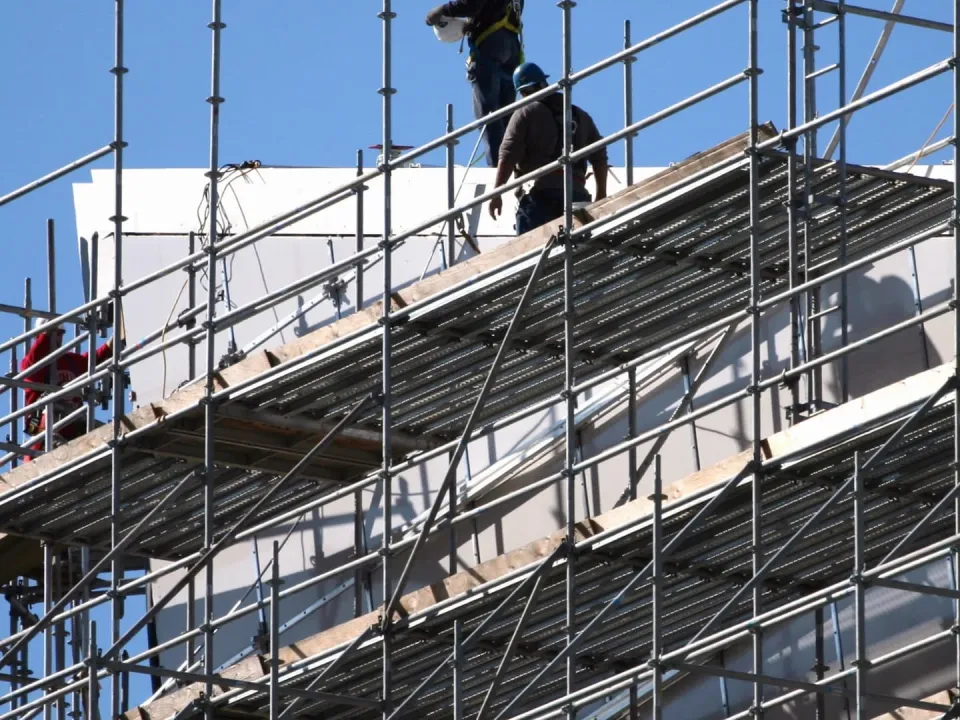
Professional services providing the planning, installation, testing, and maintenance of lifeline systems as part of an integrated fall protection system for work at height. These systems are designed to prevent falls or to safely arrest falling loads in the event of an accident.


Lifeline safety services are professional services that cover the planning, installation, testing, and maintenance of lifeline systems as part of an integrated fall protection system. These systems are designed to prevent workers from falling from height or to safely arrest falling loads in the event of an accident.

In Indonesia, work at height is commonly found in high-rise buildings, factories, warehouses, telecommunication towers, and construction projects. Falls from height represent one of the highest fatality risks, making the use of lifeline safety systems not merely a recommendation, but a mandatory occupational safety requirement for companies.

Without lifeline systems in place, companies are exposed to workplace accidents, legal sanctions, and long-term financial losses.

SPANSET INDONESIA LIFELINE SAFETY

Practical for safety and work efficiency!

APPLY NOW

OHS Regulations, Ministry of Manpower Decrees, and Company Obligations in Indonesia

The use of lifeline safety systems in Indonesia is directly governed by occupational health and safety (OHS) regulations.

The main regulations include:

  • Ministry of Manpower Regulation No. 9 of 2016 on Occupational Safety and Health for Work at Height

  • Law No. 1 of 1970 on Occupational Safety

  • SMK3 (Occupational Safety and Health Management System)

These regulations require companies to:

  • Identify fall hazards

  • Provide standard-compliant fall protection systems

  • Use competent personnel and certified equipment

Lifeline systems also form a key foundation of Zero Accident programs, as without permanent fall protection, achieving zero accidents is not realistically possible.

Lifeline Safety Systems

How It Works

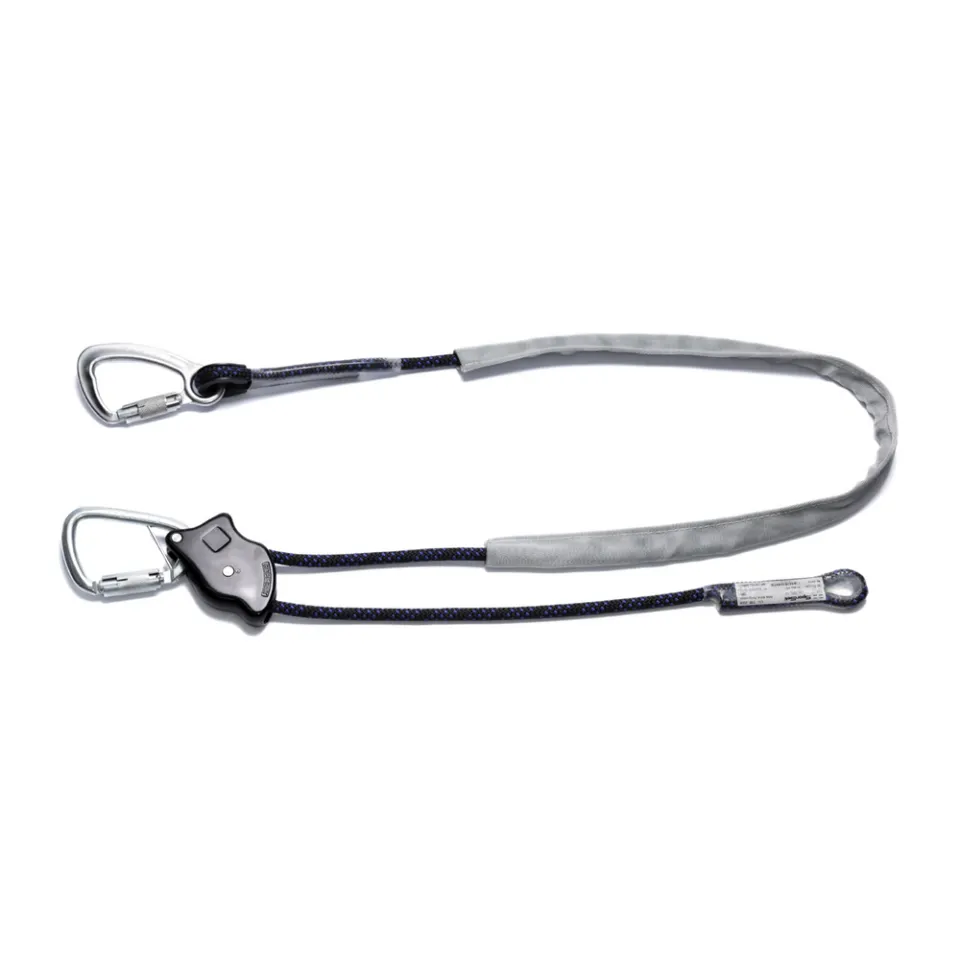
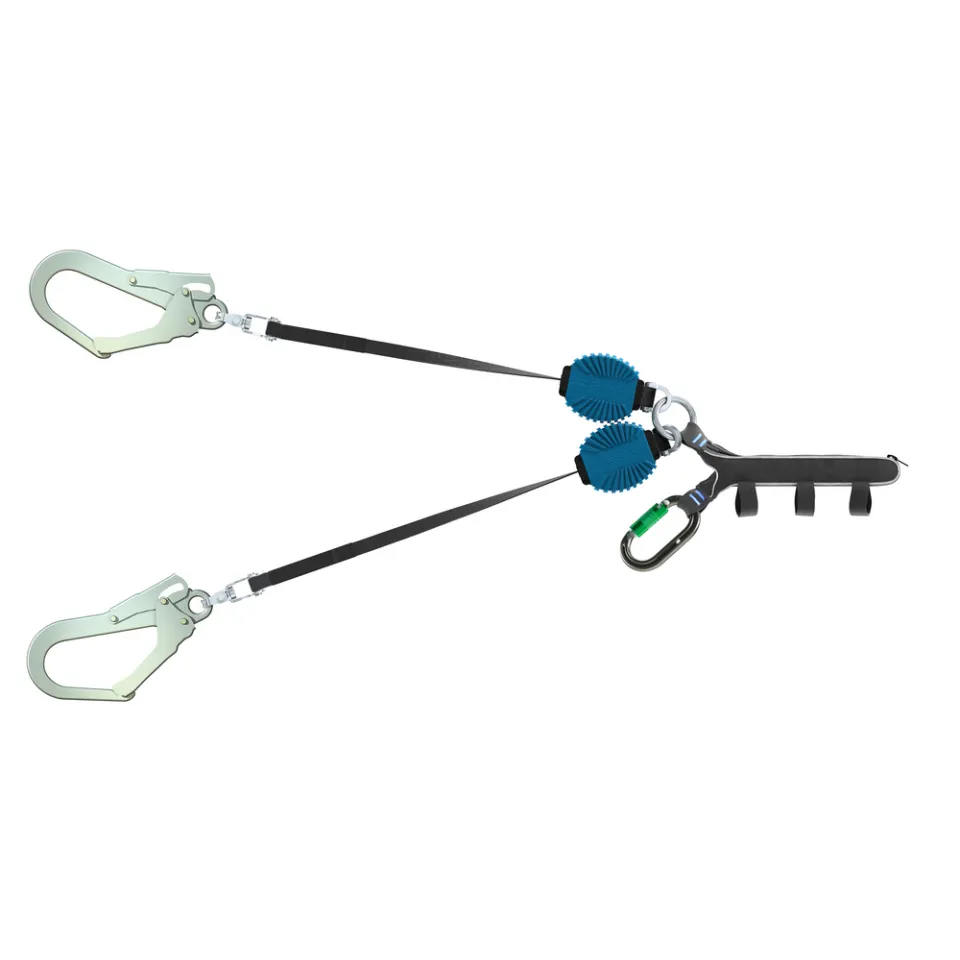
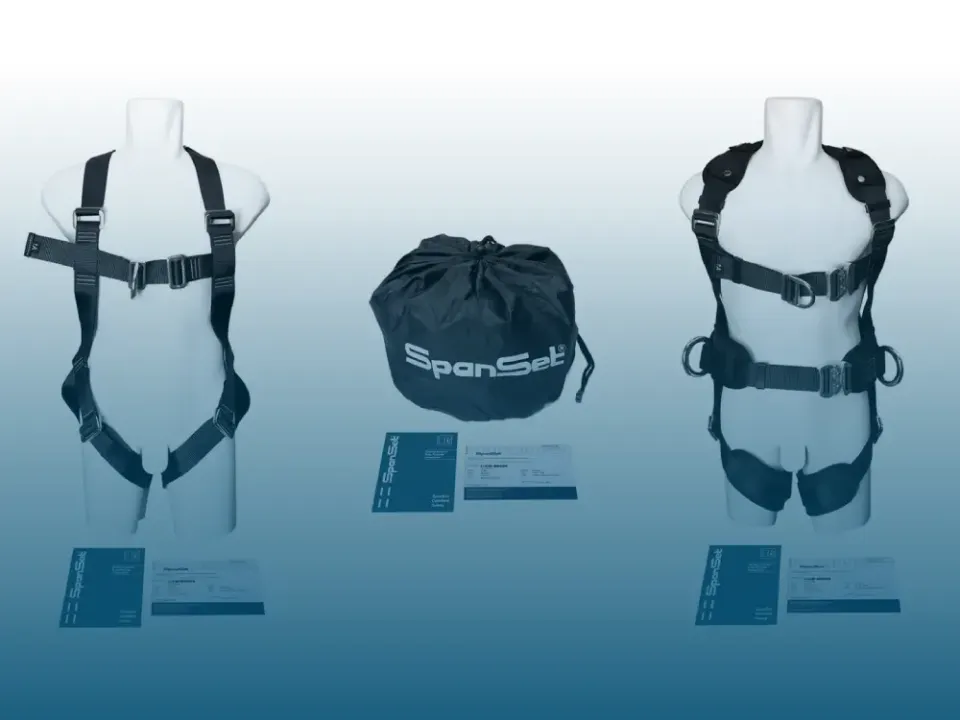
Lifeline safety systems work by connecting the worker to a lifeline via a full body harness and lanyard. In the event of a fall, the system will:

  • Arrest the worker’s fall

  • Absorb fall energy through an energy absorber

  • Reduce the impact force on the body

Main Components of a Lifeline System:

  • Anchor point (structural anchorage)

  • Wire rope or rail lifeline

  • Energy absorber

  • Intermediate bracket

  • End anchor

Supporting Equipment:

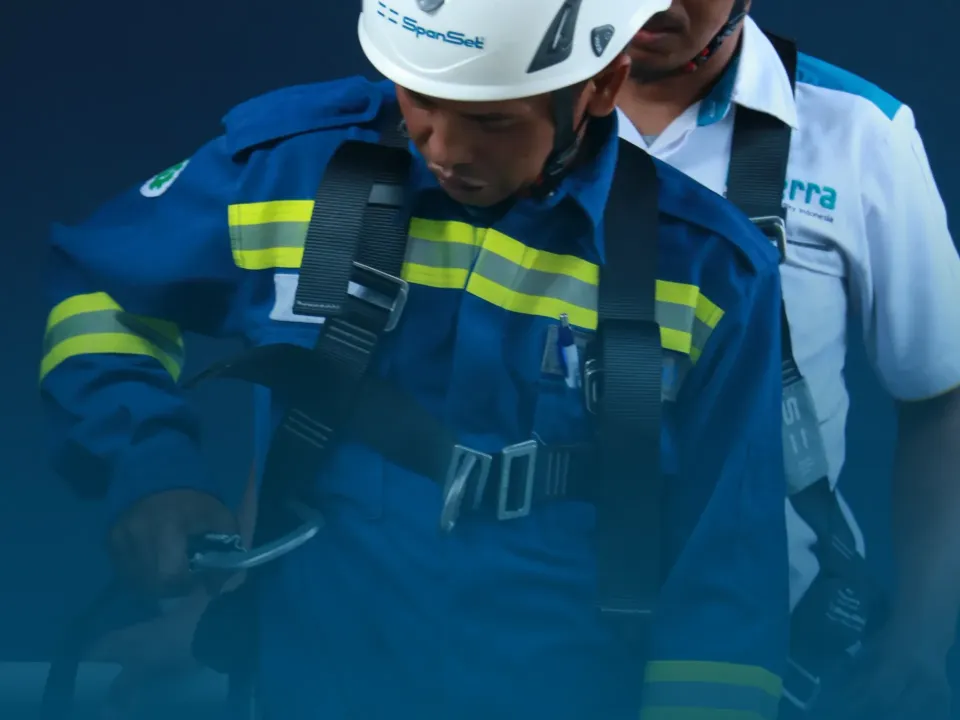
  • Full body harness

  • Lanyard with shock absorber

  • Carabiners and connectors

  • Safety helmet with chin strap

All components must comply with a minimum load capacity of 12–15 kN in accordance with safety standards.

Types of Lifeline Safety Services (Horizontal and Vertical)

Lifeline safety services are divided into two main types based on the direction of worker movement.

Horizontal Lifeline

Used in horizontal work areas such as:

  • Building rooftops

  • Factory roofs

  • Air conditioning and solar panel maintenance areas

Characteristics:

  • System length can reach 10–30 meters

  • Allows workers to move freely in a horizontal direction

  • Suitable for routine maintenance work

Vertical Lifeline

Used in vertical access areas such as:

  • Steel ladders

  • Telecommunication towers

  • Industrial silos

Types of vertical lifeline systems:

  • Wire rope systems

  • Rail systems (aluminium or stainless steel rails)

Lifeline Safety Installation, Load Testing, and Safety Standards

Lifeline safety installation must be carried out through a structured technical process.

The installation stages include:

  1. Structural survey of the building

  2. Fall load calculation

  3. Lifeline system design

  4. Installation of anchors and lifeline

  5. Load testing

  6. Documentation and handover

System testing includes:

  • Static load test

  • Dynamic load test

Applicable safety standards:

  • EN 795

  • ANSI Z359

  • OSHA 1910 & 1926

Without proper testing, the system is considered not safe for use.

Lifeline Safety Services FAQ

Lifeline Safety Maintenance and Risks of Improper Management

Lifeline safety systems require regular inspection and maintenance.

Typical schedule:

  • Daily visual inspection by the user

  • Technical inspection every 6 months

  • Comprehensive annual audit

If maintenance is neglected, the risks include:

  • Cable corrosion

  • Anchor failure

  • System failure during a fall

These risks can result in serious injury or worker fatality.

Application Areas, Tangible Benefits, and Case Studies

Lifeline systems are used across various sectors.

Common application areas:

  • Office buildings

  • Factories and warehouses

  • Telecommunication towers

  • Construction projects

Measurable benefits:

  • Reduces accident risk by up to 90%

  • Increases work productivity

  • Ensures compliance with OHS regulations

Case study:
A 20-story office building that installed a horizontal lifeline system on the rooftop achieved zero incidents for three consecutive years.

Permanent vs. Temporary Lifelines

Permanent lifelines are installed permanently and intended for long-term use, whereas temporary lifelines are used for short-term applications.

Permanent lifelines:

  • Suitable for buildings and factories

  • Long service life

  • Higher initial investment

Temporary lifelines:

  • Ideal for construction projects

  • Flexible and easy to dismantle

  • Lower cost

Lifeline Safety for Buildings, Industrial Sites, and Construction Projects

Each sector has different requirements.

  • Buildings: permanent horizontal lifelines

  • Industrial sites: combination of horizontal and vertical lifelines

  • Construction projects: temporary lifelines with high mobility

System selection must be tailored to the work risks and duration of use.

Common Mistakes in Lifeline System Installation

Frequently observed mistakes include:

  • Anchors installed on weak structures

  • No load calculations performed

  • Testing not conducted

  • No technical documentation

These mistakes can lead to system failure during emergencies.

Tips for Choosing a Professional Lifeline Safety Service Provider

Use the following objective criteria:

  • Certified technicians

  • Proven project experience

  • Compliance with international standards

  • Testing reports

  • System warranty

A professional provider will deliver solutions, not just installations.

Interesting Articles

Main Components of Scaffold

Scaffolds have an important role in the world of construction. Then, what are the main components of the scaffold? Check out the following...

Find Us