Height Safety

Career Prospects for TKBT Graduates

Industries in Demand and Career Opportunities in Indonesia

TKBT (High-Rise Building Worker) graduates have broad career prospects across various industries that involve working on elevated structures with fall risks.

This official certification from the Indonesian Ministry of Manpower (Kemnaker RI) serves as nationally recognized proof of competence, giving certified workers a competitive advantage over those without K3 (OHS) licensing.

According to Ministerial Regulation No. 9 of 2016 on Occupational Safety and Health for Work at Height, companies are required to ensure that workers exposed to fall hazards meet the prescribed competency requirements.

This makes TKBT license holders valuable assets for regulatory compliance, accident risk reduction, and smooth project execution.

SPANSET INDONESIA LIFELINE SAFETY

Practical for safety and work efficiency!

APPLY NOW

Main Industries That Require TKBT Graduates

1. High-Rise Construction and Infrastructure Sector

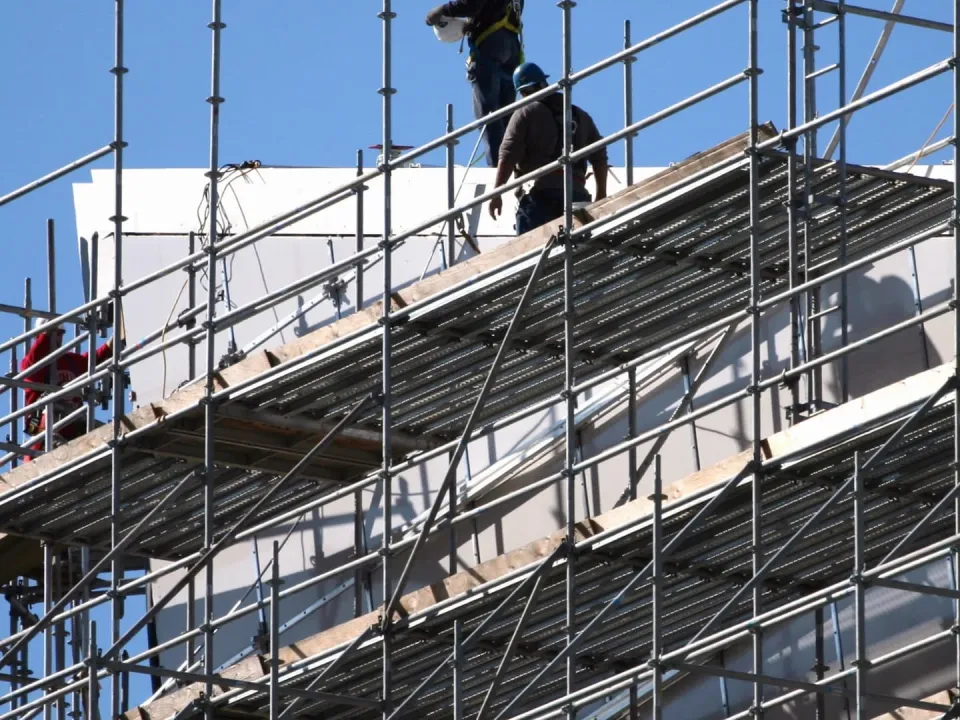
The construction industry is the largest employer of TKBT personnel, particularly in skyscraper projects, long-span bridges, and public infrastructure. TKBT technicians perform work on steel or concrete structures before permanent fall protection systems are installed, as well as during finishing stages and the installation of architectural elements at height.

Major construction companies prioritize certified workers to meet safety audit requirements and project tender qualifications. Expertise in safe access and risk management helps maintain project progress without incidents.

2. Energy, Oil, and Gas Industry (Offshore & Onshore)

The energy sector enforces very strict safety standards. TKBT graduates are required for maintenance of offshore platforms, drilling rigs, storage tanks, derricks, and elevated piping installations in corrosive environments.

This competency includes the use of fall protection equipment in hard-to-reach areas. Multinational companies often offer competitive compensation to certified technicians due to their contribution to regulatory compliance and accident prevention.

3. Telecommunications Sector (BTS and Tower Maintenance)

The growth of telecommunications infrastructure increases the demand for technicians to install antennas, radio equipment, and perform structural inspections on BTS towers. These tasks involve challenges such as strong winds and extreme weather conditions.

TKBT certification equips technicians with safe climbing techniques, proper use of fall arresters, and preventive maintenance procedures to ensure network continuity.

4. Manufacturing, Warehousing, and Industrial Facilities

Modern factories with high-bay racking, tall roofs, and mezzanine systems require technicians for industrial lighting maintenance, sprinkler servicing, roof repairs, and large equipment installation. TKBT graduates are also needed to ensure compliance with platform load limits and fall protection systems.
Specific Job Roles for TKBT License Holders

Facade Maintenance and High-Rise Building Cleaning Technician

Includes glass cleaning, sealant repairs, and facade panel inspections using gondolas or suspended scaffolding. The ability to inspect access equipment and perform self-rescue is a key competency.

Work-at-Height Safety Officer

Many companies seek Safety Officers with a TKBT background to develop safe work plans, verify work permits, audit equipment, and build a zero-accident safety culture. Field experience makes their guidance more practical and credible.

Scaffolding Installation Supervisor (Scaffolding Inspector)

TKBT often involves understanding temporary scaffolding structures. As an inspector, the technician checks stability, connections, handrails, toe boards, and assigns safety status tags (green/red tags). This role is crucial to prevent structural failure that could lead to major accidents.

Electrical and Mechanical Installation Technician at Height

Installing cables, lighting, air piping, or equipment from industrial ladders and scissor lifts requires a combination of technical skills and the ability to work safely at height, including tool tethering and maintaining safe distances from electrical hazards.

Competitive Advantages of Certified TKBT Graduates

Compliance with Ministerial Regulation No. 9 of 2016

Companies are required to employ certified personnel to avoid penalties and support ISO/SMK3 audits. A TKBT license helps companies qualify for major project tenders, especially in state-owned enterprises and national strategic projects.

Income Potential and Allowances

Work at height is categorized as high-risk, and is therefore often accompanied by risk allowances and above-average wages. This certification also opens opportunities for additional incentives on extreme or complex projects.

Clear Career Path

Careers can progress from operational technician (Level 1) to supervisor, inspector, Safety Officer, and even HSE managerial roles. Field experience provides valuable insight for developing effective safety policies.

Skill Set Sought by Employers

  • Hazard Identification and Risk Assessment (HIRA): The ability to prepare task safety analyses before work begins.
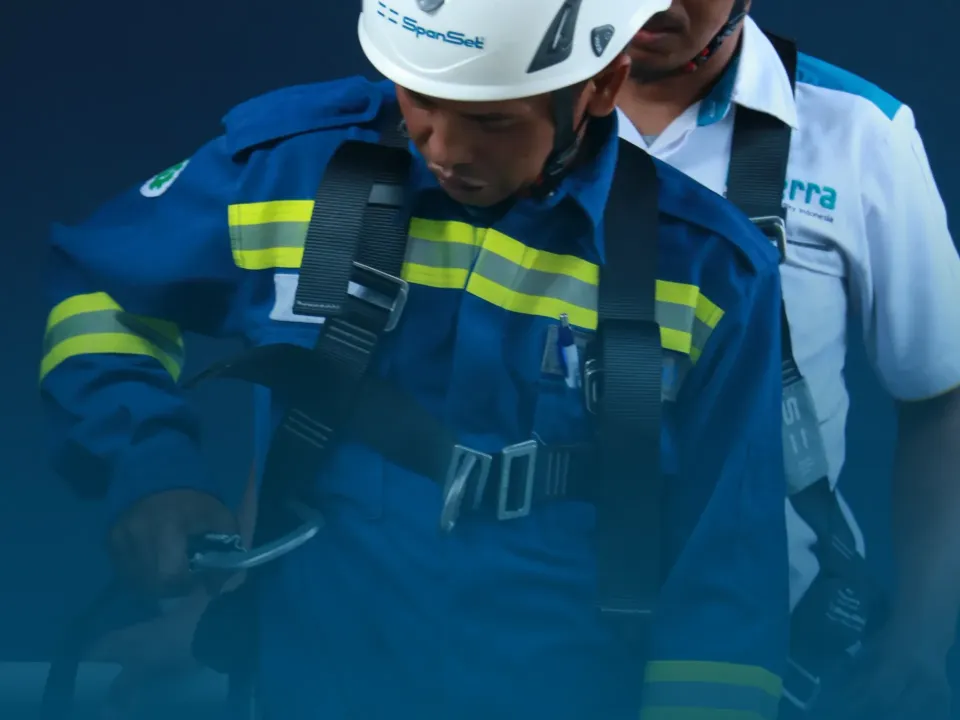
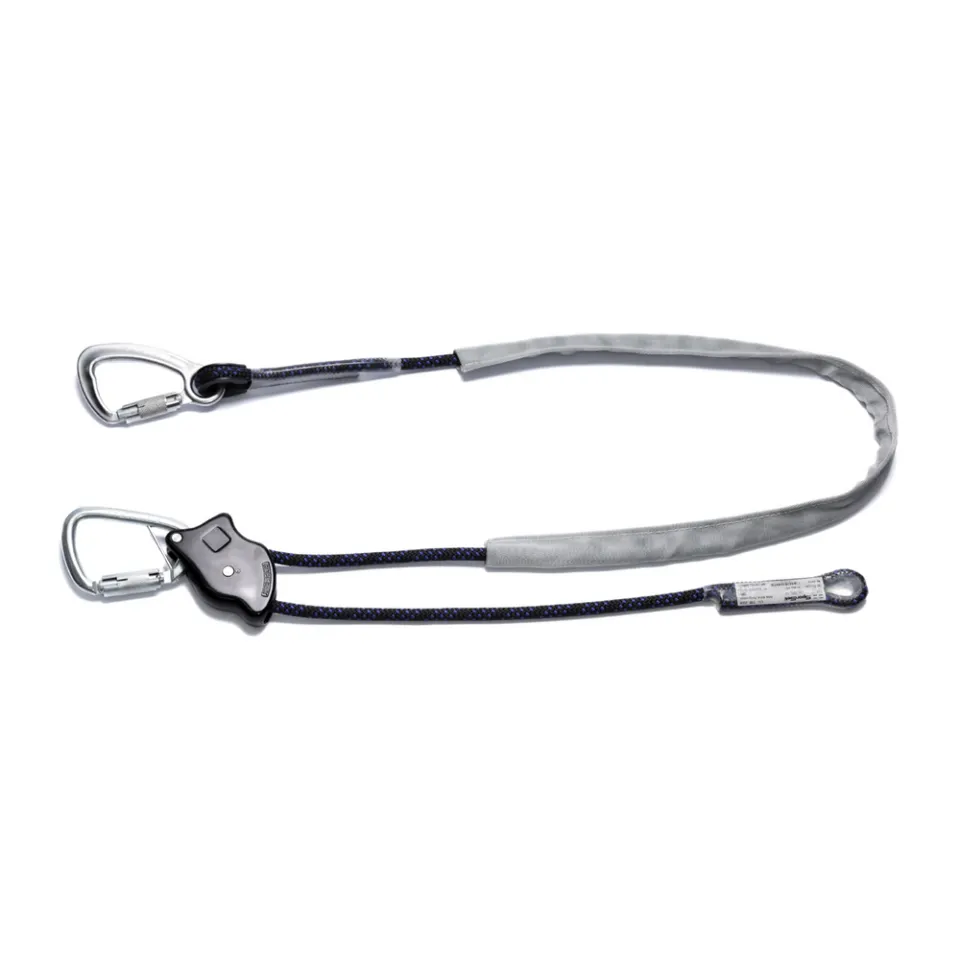
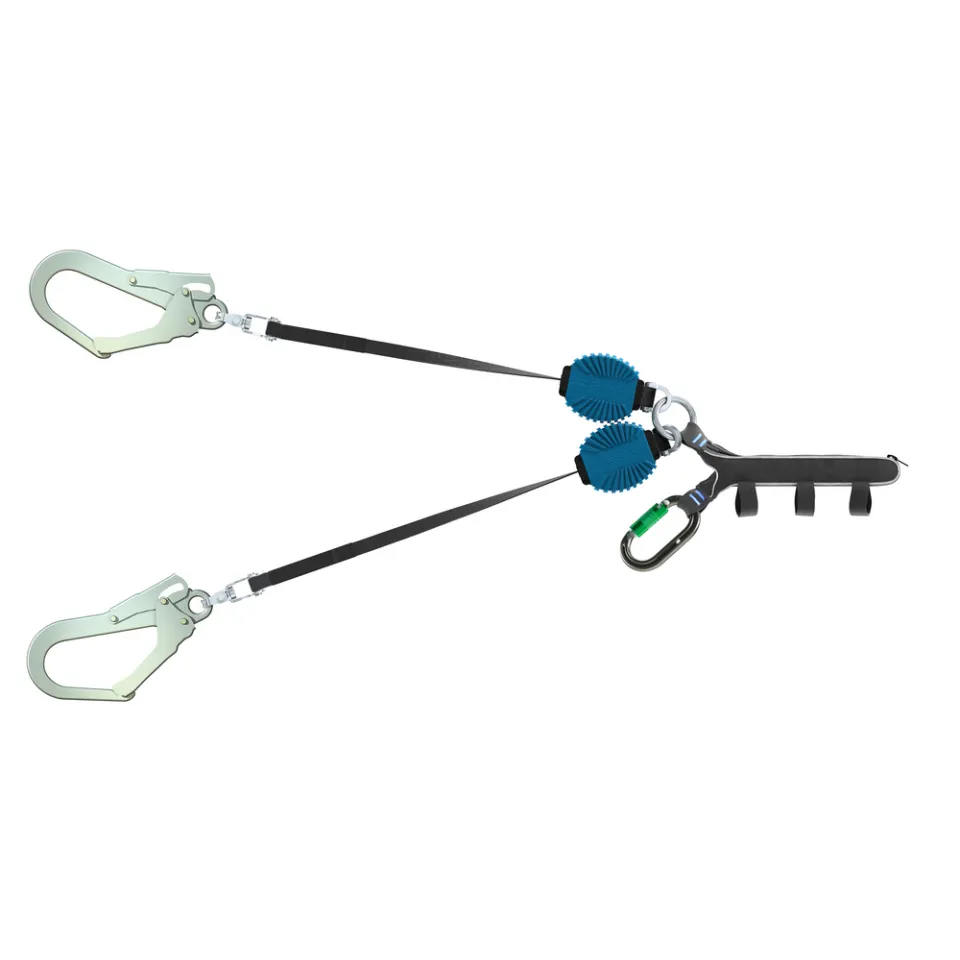
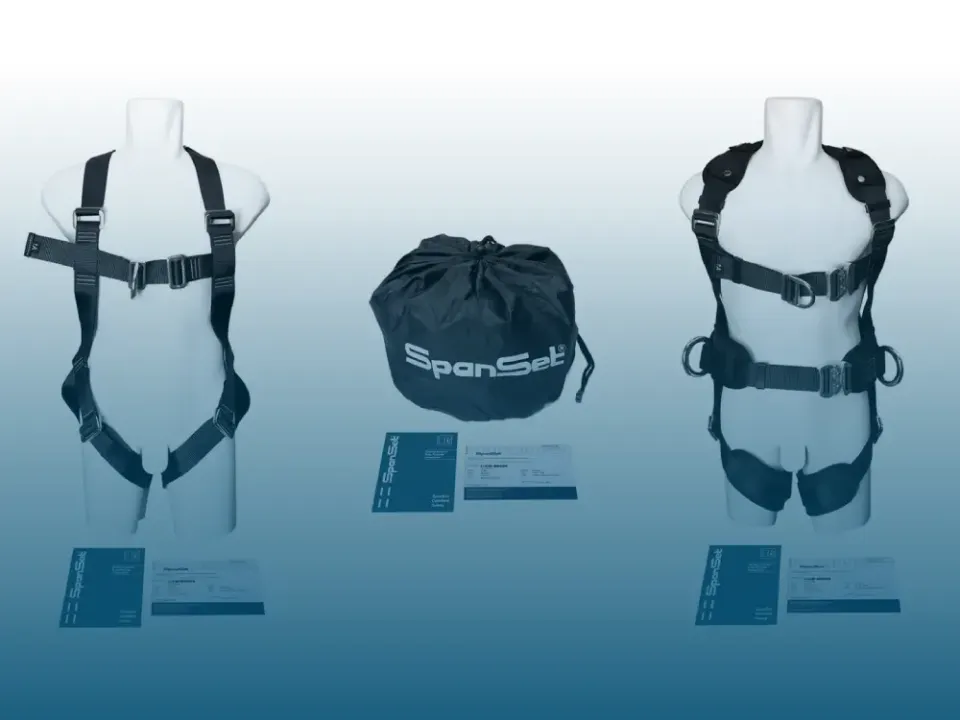
  • Proficiency in Fall Protection Equipment: Understanding the function, limitations, maintenance of harnesses, lanyards, self-retracting lifelines, and conducting pre-use checks.
  • Safe Work Procedures on Platforms and Scaffolding: Including Safe Working Load limits, three-point contact, and strict procedural discipline.

Differences Between TKBT Level 1 and Level 2

TKBT Level 1: Focuses on basic operational work at height, the use of personal fall protection equipment, and direct activities on structures (including simple scaffolding installation and dismantling). Suitable for entry-level field technicians.

TKBT Level 2: Involves greater responsibility, including team supervision, anchorage system installation, safety coordination, and handling complex situations. Typically requires relevant work experience and is suited for supervisory or team leader roles.

The choice of level should align with job responsibilities and career goals.

General Requirements to Obtain a TKBT License from the Indonesian Ministry of Manpower

Requirements include administrative documents (ID card, diploma, passport photo), a medical certificate from a doctor (free from acrophobia, normal blood pressure, good vision), and verification by a training institution accredited by the Ministry of Manpower.

It is important to choose an officially accredited training provider to ensure the certificate is recognized by companies and complies with national standards.

Why Choose TKBT Training at SpanSet Indonesia?

SpanSet Indonesia, as an accredited provider of work-at-height safety training, offers a TKBT Level 2 program that combines OHS theory with intensive practical sessions at a dedicated training center. The curriculum includes real-condition simulations, the use of industry-standard equipment, and a safety approach aligned with best practices.

Experienced instructors help participants build technical competence as well as a proactive safety mindset. Modern facilities allow safe practice before entering actual job sites.

Your Next Career Step

TKBT training is not only about obtaining a certificate, but an investment in competence for personal safety, team protection, and long-term career sustainability in high-risk industries. Consult with the SpanSet Indonesia team for the latest class schedules, requirements, and programs that match your career profile or company needs.

Remember: In work-at-height sectors, certified competence is not just an advantage, but a fundamental requirement to work safely and professionally. Start your journey with quality training to unlock broader opportunities and a safer career.

Interesting Articles

Main Components of Scaffold

Scaffolds have an important role in the world of construction. Then, what are the main components of the scaffold? Check out the following...


Find Us