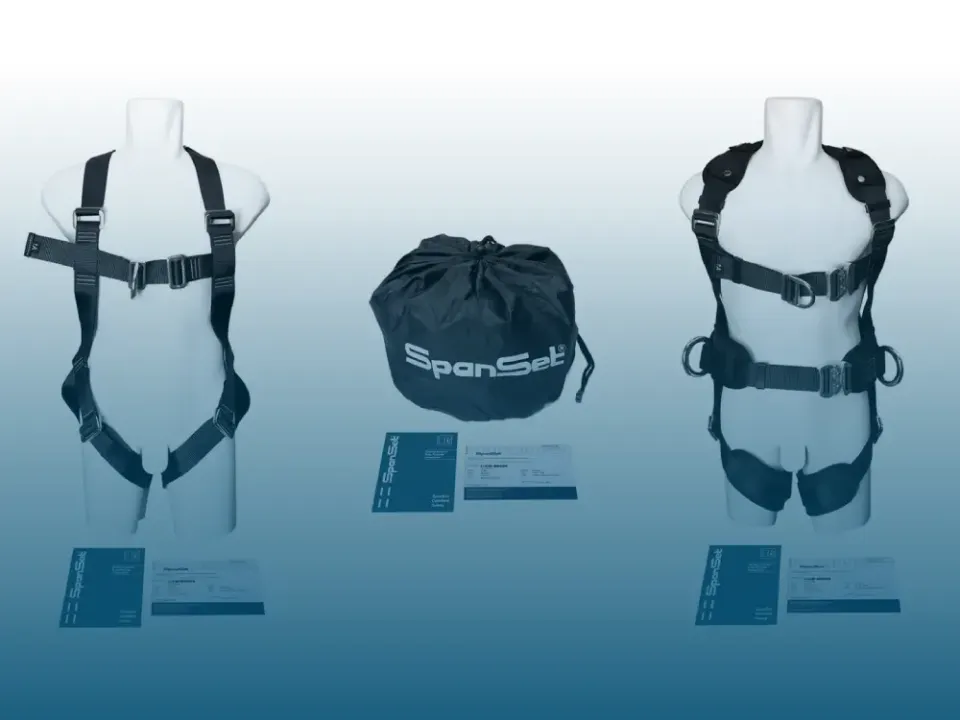
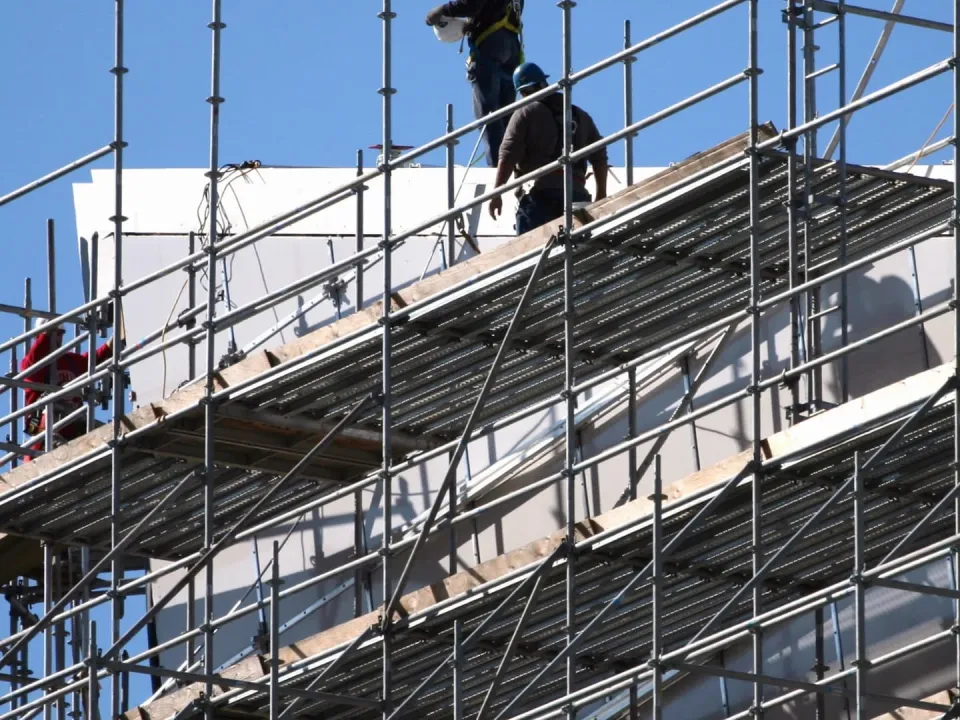
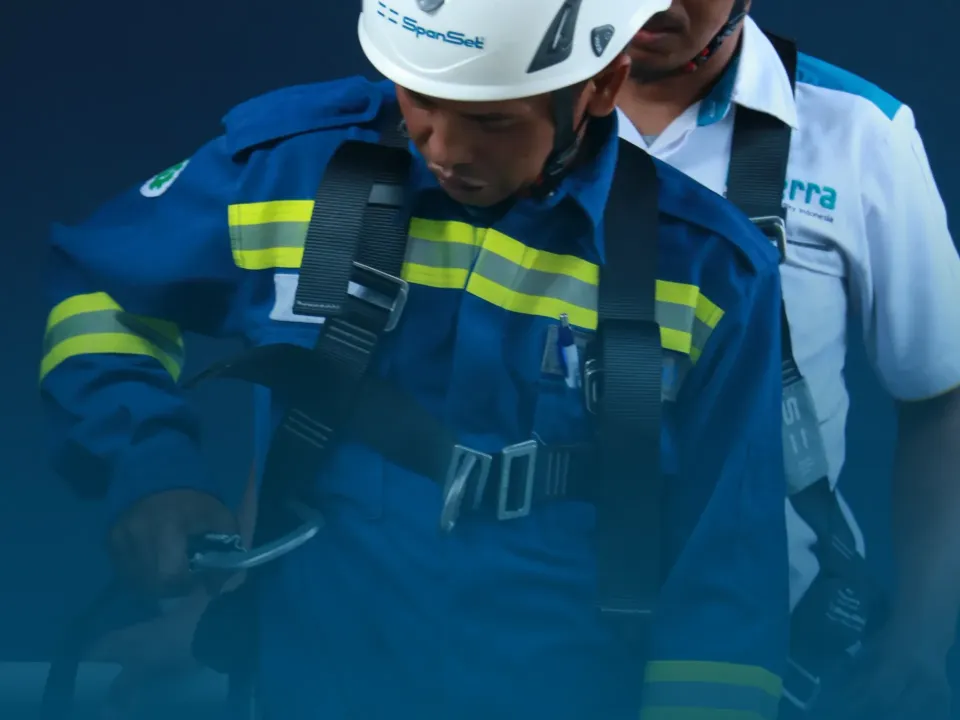
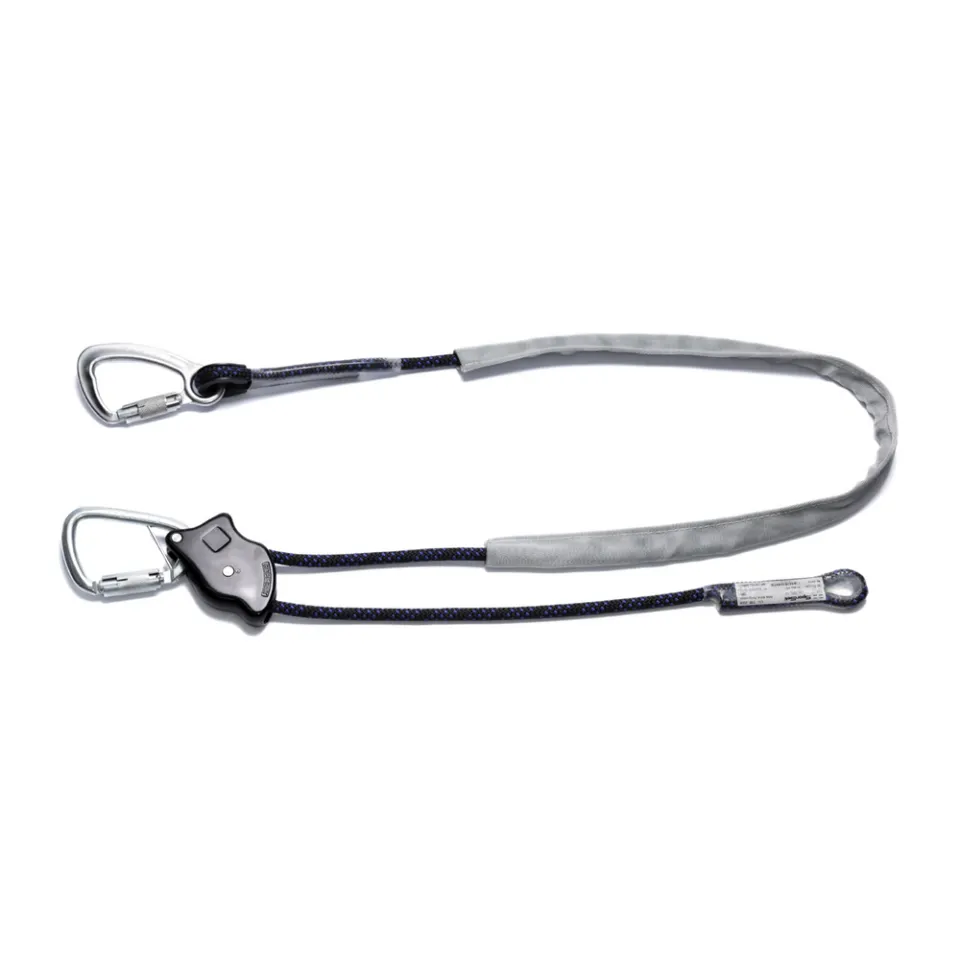
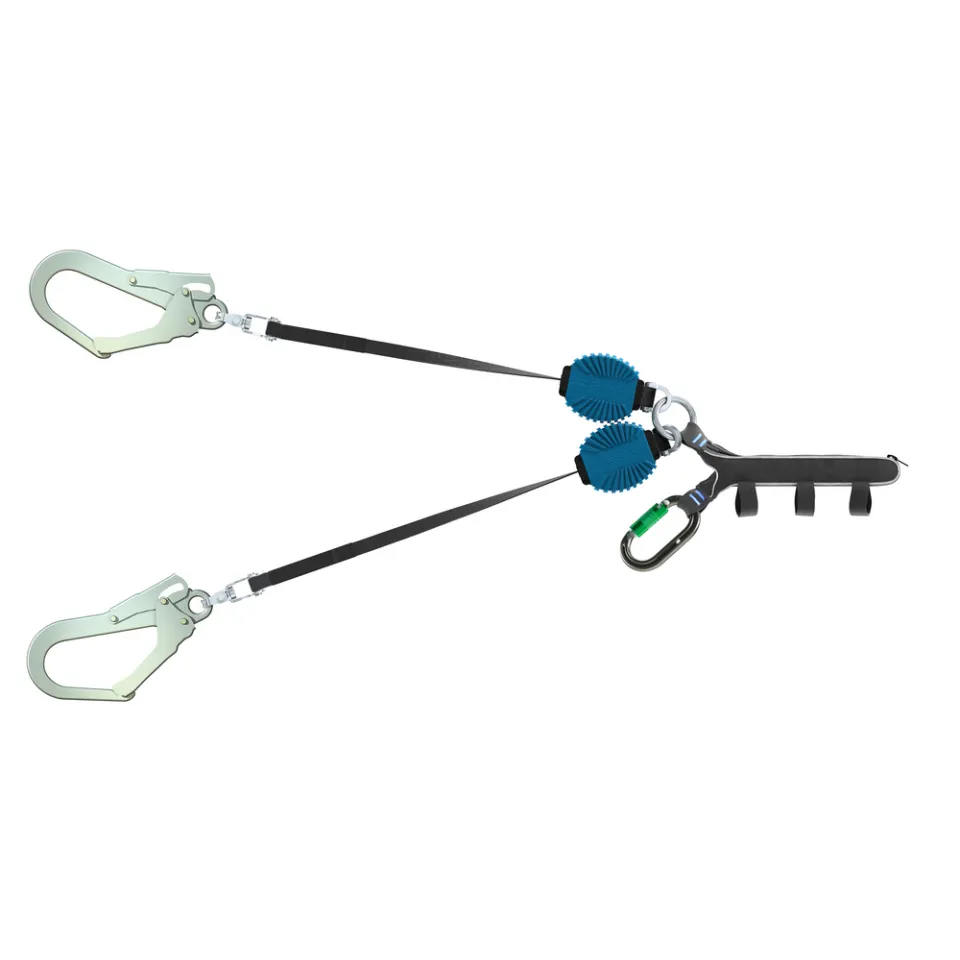
Working at height is a daily challenge that must be addressed with highly competent personnel in both refinery installations and offshore platforms. Working in the oil and gas industry carries a far more complex risk profile compared to other sectors. Tenaga Kerja Bangunan Tinggi (TKPK) personnel in this industry are trained to handle simultaneous hazards ranging from exposure to dangerous gases to potential explosions.
All right, understood. The key point is: H2 and H3 remain bold, while the explanatory content contains no bold text at all, with only foreign terms written in italic.
OHS Regulations in the Oil & Gas Work Environment
Synergy Between Ministerial Regulation No. 9 of 2016 and Oil & Gas Standards
The implementation of work-at-height OHS regulations in the oil and gas sector refers to Ministerial Regulation No. 9 of 2016, integrated with more specific technical standards of the oil and gas industry. This ensures that every access and fall protection procedure complies with national legal requirements as well as global safety standards applied in refineries and production areas.
Compliance with Safe Work Permit (PTW – Permit to Work)
All work-at-height activities within oil and gas areas must be supported by a valid Permit to Work. This document ensures that all risks have been thoroughly identified, equipment has been inspected, and inter-department coordination has been completed to prevent accidents caused by operational unawareness in surrounding areas.
The Role of SKPI (Inspection Provider Competency Certificate)
In oil and gas operations, SKPI serves as an important instrument to validate that inspection service providers and equipment suppliers possess government-recognized technical qualifications. SKPI guarantees that all lifting and access equipment used by TKPK personnel are in prime condition and fit for operation.