Height Safety

TKPK for Scaffolding Work

Guide to Competency Standards and Work-at-Height Safety

Work on scaffolding is a high-risk activity that requires strict supervision and competent personnel.

In the construction and maintenance industry, certification for High-Rise Workers (TKPK) is the primary foundation to ensure that every personnel has a comprehensive understanding of fall risks and structural stability.

The use of scaffolding that is not managed by certified experts can have severe consequences, both in terms of personal safety and operational losses for the company.

Mandatory TKPK Certification Based on Permenaker No. 9 of 2016

The Indonesian government, through Minister of Manpower Regulation No. 9 of 2016, has established strict standards for anyone working at heights. This regulation requires companies to employ personnel who hold an official TKPK license.

The official license ensures that every action taken in high work areas has undergone safety analysis in accordance with national legal standards.

SPANSET INDONESIA LIFELINE SAFETY

Practical for safety and work efficiency!

APPLY NOW

Competency Standards for Scaffolding Technicians (Scaffolder) in Indonesia

The competency of a scaffolding technician or scaffolder is not limited to assembling pipes and frames. The Competency Standards for Scaffolding Technicians (Scaffolder) in Indonesia are strictly regulated to ensure safety when working at heights, referring to the regulations of the Indonesian Ministry of Manpower (Permenaker No. 1 of 1980 and Kepdirjen No. 20/DJPPK/VI/2004) as well as relevant SKKNI standards in Indonesia.

A competent scaffolding technician in Indonesia is not only skilled in physical assembly, but must also master a series of technical and safety competencies as follows: 

  • Reading Technical Drawings (Scaffolding Plan)

Ability to read and accurately interpret scaffolding design plans. This ensures that structures built on site have coordinates and layouts that match the original technical specifications.

  • Systematic Installation and Dismantling

Skilled in assembling and dismantling scaffolding components (posts, beams, and platforms) in the correct sequence. This process is crucial to maintain the stability of the structure at every level of work.

  • Load Distribution and Capacity Analysis (Load Limit)

Understanding scaffolding strength, including heavy-duty categories capable of supporting up to 675 kg per bay. Personnel are able to calculate the workload to ensure it does not exceed the permitted carrying capacity (overload).

  • Material Inspection and Component Integrity

Ability to detect physical defects in scaffolding materials such as pipes, frames, and clamps. This expertise includes identifying cracks, deformation (bending), or rust in joints that are often overlooked by ordinary workers.

  • Stability Management and Anchorage (Tie-Back)

Proficient in installing structural braces (bracing) and anchoring systems (tie-back) to permanent structures. This ensures that scaffolding remains stable and does not shift due to wind loads or operational vibrations.

Technical Implementation of TKPK Competencies on Scaffolding Structures

Scaffolding Erection According to HSE Technical Guidelines

The process of erection must be carried out systematically to maintain load balance. Certified TKPK personnel ensure scaffolding is built on a solid foundation using adequate base plates to prevent structural settlement. Each base component must be confirmed level before proceeding to the next tier.

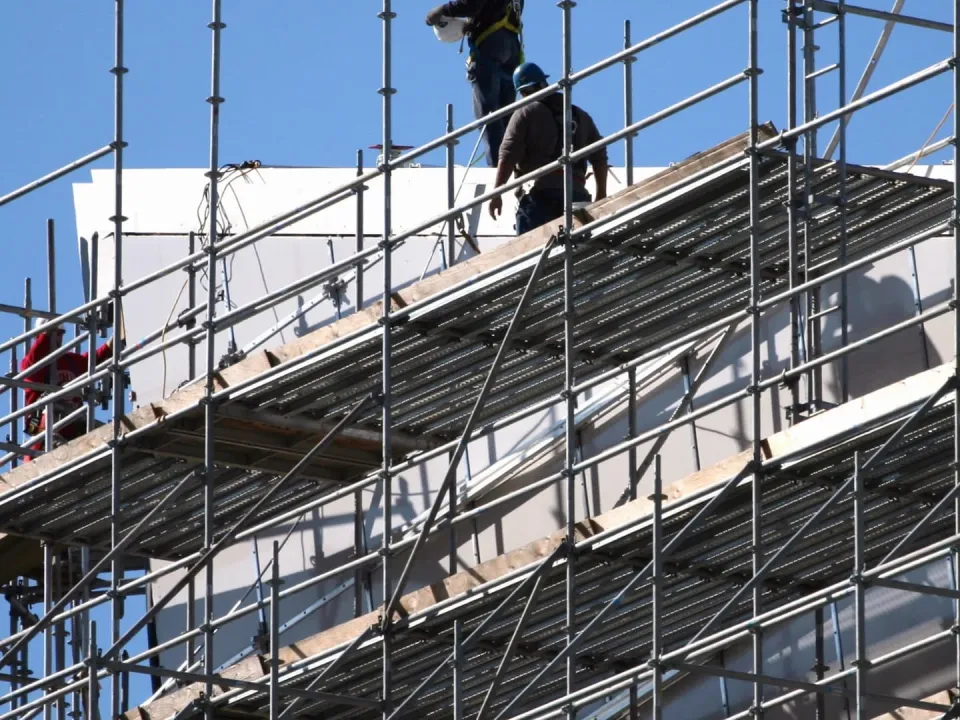
At every level, cross bracing must be properly locked on both sides as structural reinforcement to prevent tilting or swaying. In addition, installation of guardrails should be done immediately once the working platform is in place to protect workers from fall hazards. With strict supervision, all connections are verified as tightly secured, maintaining the overall structural integrity of the scaffolding during operation.

Inspection Parameters for Scaffolding Strength and Stability

The strength of scaffolding largely depends on the integration of its components. Technical inspections include checking the integrity of clamps, vertical alignment of posts, and the condition of working platform boards (platforms). TKPK personnel use specific technical parameters to calculate whether the structure can support both the live load of workers and the dead load of materials placed on it.

Specifications of Full Body Harness and Fall Protection Equipment for Scaffolders

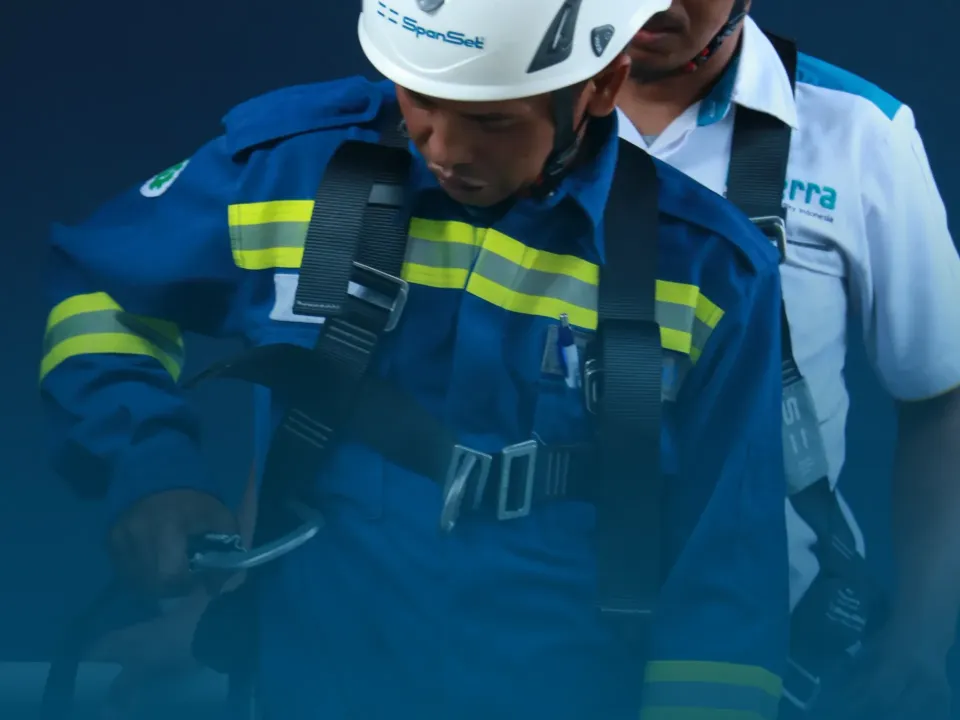
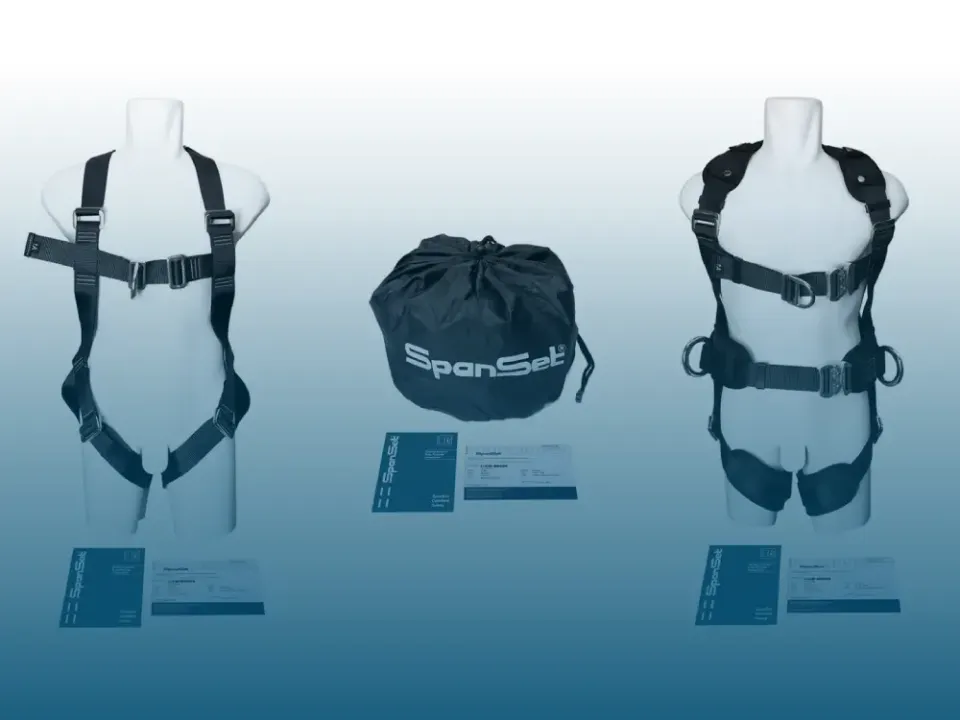
The use of active fall protection equipment is a mandatory requirement for every scaffolder working at heights. The full body harness used must comply with international safety standards such as EN 361 to ensure that load distribution during a fall impact is safely spread across the shoulders, chest, and thighs.

Competent personnel must ensure that each harness has a secure attachment point (D-Ring) free from signs of corrosion or cracks.

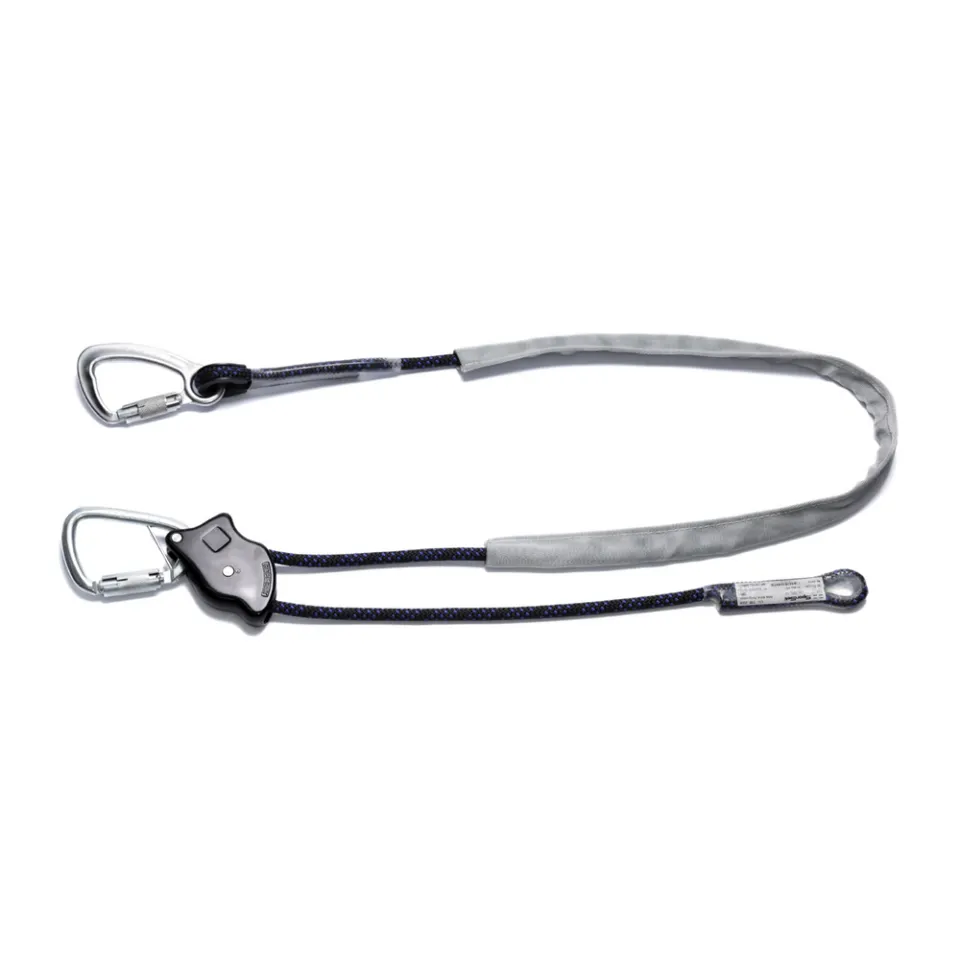
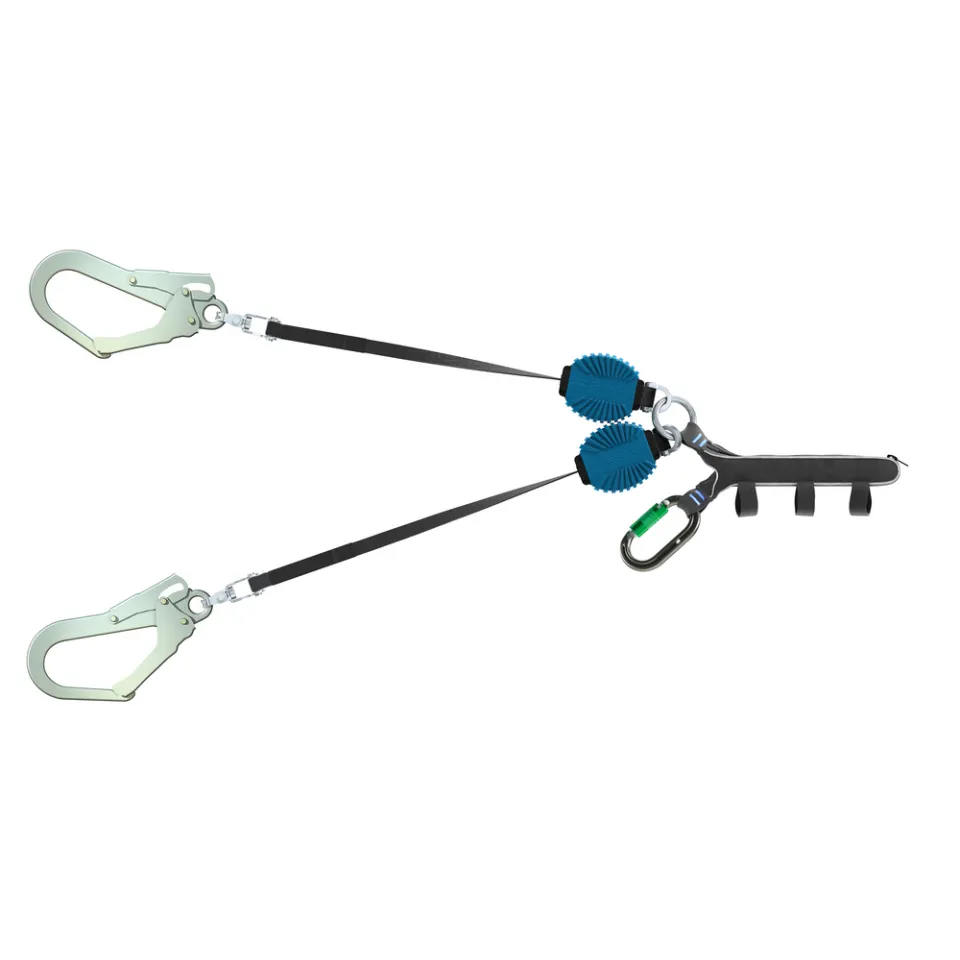
Each lanyard used must be equipped with a shock absorber.

The shock absorber functions to absorb kinetic energy during a free fall. This component acts as the first line of protection in preventing internal injuries to body organs caused by sudden impact forces.

TKPK personnel are also responsible for ensuring that anchorage points meet the required minimum strength and that fall clearance is accurately calculated to prevent workers from hitting structures below in the event of an incident.
Risk Analysis and Hazard Mitigation on Scaffolding

Prevention of Structural Failure Due to Installation Errors

Structural failures are often caused by overlooking small details, such as the absence of a tie-back connecting the scaffolding to the permanent building structure.

All potential failures are identified early through TKPK supervision.

Mitigation is carried out by ensuring that all bracing components are installed diagonally and horizontally according to wind loads and work loads at the site.

Prevention of Falls from the Work Platform

The work platform area is the most vulnerable point for fall incidents. Prevention is carried out by installing a guardrail system consisting of top rail, mid rail, and toe board.

TKPK personnel verify that there are no hazardous gaps on the work platform that could cause workers or equipment to fall to the area below.

Legal Sanctions for Violations of Height Safety Procedures

Violations of height safety standards carry severe legal consequences for construction service providers. According to Article 41 of Permenaker No. 9 of 2016, employers or managers who fail to meet height competency standards will face strict sanctions in accordance with Law No. 1 of 1970 on Work Safety and Law No. 13 of 2003 on Manpower.

In practice, neglecting the obligation to employ certified TKPK personnel can trigger criminal liability in the event of a workplace accident. Holding a competency certification serves as a legal protection instrument, demonstrating the company's compliance with applicable laws in Indonesia.

Field Supervision and Verification Management

Hazard Identification and Risk Assessment (HIRA) in the Work Area

Every activity on scaffolding must begin with the preparation of a Hazard Identification and Risk Assessment (HIRA) document. This step involves identifying specific risks on site, such as overhead power lines or extreme weather conditions. TKPK personnel are responsible for determining effective control measures before work permits are issued.

Operational Supervision System for Workers at Height

Operational supervision ensures that all workers comply with established safety protocols. TKPK personnel act as supervisors, monitoring workers’ movements on scaffolding, ensuring safety signs are followed, and confirming that the area beneath the scaffolding is cleared of unauthorized personnel (barricading).

Verification of Structural Safety with Scaffold Tag

Final validation of scaffolding safety is indicated by the placement of a clearly visible scaffold tag at the access point. A green tag signifies that the scaffolding has been inspected by TKPK personnel and is safe to use. Conversely, a red tag indicates that the scaffolding is prohibited for use due to ongoing modifications or the discovery of technical non-compliance that poses a hazard.

Rescue (Rescue) in Emergency Situations

Rescue Planning (Rescue Plan) Specific to Scaffolding Work

A rescue plan must be available on-site before work begins. This document details the steps to be taken if a worker falls and is suspended by their harness. TKPK personnel are trained to understand that evacuation must be completed within 15 minutes to avoid the risk of suspension trauma.

Vertical Rescue Equipment Compatible with Scaffolding Structures

The rescue equipment used must be highly mobile and easy to install on the scaffolding frame. Devices such as a rescue kit consisting of a pulley system and descender allow the rescue team to lower the victim slowly. TKPK expertise ensures that the chosen emergency anchor point can support double loads (victim and rescuer) during the evacuation process.

Medical Evacuation Protocols and Handling of Victims at Height

Once the victim is safely lowered or moved to a stable area, medical protocols are immediately enacted. Handling victims at height requires precision to prevent further injury during repositioning. TKPK personnel coordinate with medical teams to ensure the transition from the elevated work area to the ambulance proceeds smoothly without technical obstacles.

Specific Risk Analysis (JSA) for Scaffolding Work

Simultaneous Hazard Identification (Simultaneous Operations - SIMOPS)

Job Safety Analysis (JSA) in scaffolding work must consider other activities happening at the same site simultaneously. Coordination of SIMOPS ensures that work on scaffolds does not endanger personnel or operations nearby, and vice versa, to prevent unforeseen accidents.

Determining Anchor Points on Scaffold Frames and I-Beams

The selection of anchor points must be done carefully on scaffolding structures. Unsafe attachment to unstable components is prohibited, so personnel must be trained to identify main structural elements, such as I-Beams or approved scaffold frames, capable of supporting required loads safely.

Evacuation Procedures and Emergency Exits on Scaffolds

Every scaffolding work plan must include clearly defined evacuation routes in case of emergencies. Personnel should know the nearest emergency exit points and be able to perform quick self-evacuation while suspended on a scaffold if an alarm or hazardous situation occurs.

The Importance of Certified Personnel for Project Safety

The involvement of TKPK personnel in scaffolding work is not merely a matter of fulfilling administrative requirements, but a tangible investment in safety and project continuity. With competent workers, the risk of workplace accidents can be significantly reduced, work efficiency improves, and the company’s reputation is maintained. Ultimately, compliance with TKPK competency standards is proof of professional commitment in facing the challenges of working at height.

Interesting Articles

Main Components of Scaffold

Scaffolds have an important role in the world of construction. Then, what are the main components of the scaffold? Check out the following...


Find Us