Height Safety

TKPK Training & Certification for Working at Height Personnel in Surabaya

Working at height is one of the highest-risk activities in the industrial sector. Falls from height remain a leading cause of fatal workplace accidents across construction, oil & gas, manufacturing, energy, telecommunications, and building maintenance industries. For this reason, the government requires every worker involved in work at height to possess proven occupational competence, which must be demonstrated through TKPK (Working at Height Personnel) Training and Certification.

In an industrial city like Surabaya, the demand for TKPK Training and Certification for Working at Height Personnel continues to increase along with the growing number of construction projects, high-rise buildings, infrastructure development, factories, and maintenance work. TKPK certification is not merely an administrative requirement, but a strategic measure to protect worker safety and ensure corporate legal compliance.

Definition of TKPK (Working at Height Personnel)

TKPK, or Working at Height Personnel, refers to workers who perform tasks at positions where there is a potential risk of falling from a certain height, which may result in serious injury or death.

According to occupational health and safety (K3) regulations, work at height includes activities carried out:

  • Above ground level

  • On building structures

  • In areas with differences in elevation

  • In locations without adequate edge protection

Examples of TKPK-related jobs include:

  • High-rise building construction workers

  • Scaffolding workers

  • Telecommunication tower technicians

  • Roof, façade, and rooftop maintenance technicians

  • Steel structure, piping, and installation workers

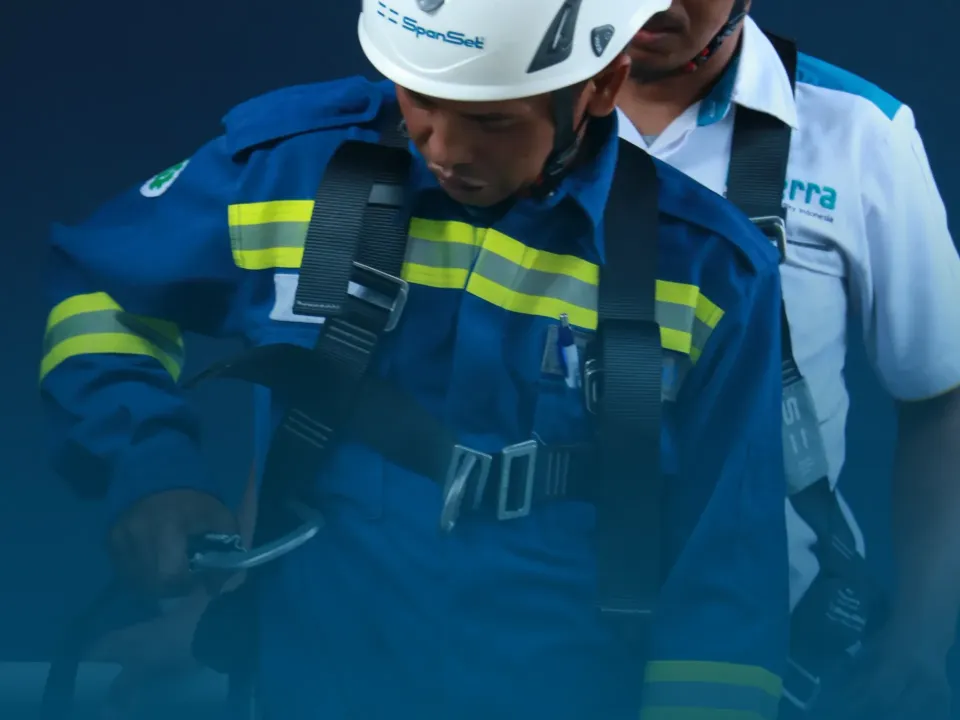
Due to the high level of risk involved, working at height personnel must possess specific competencies obtained through official training and certification.
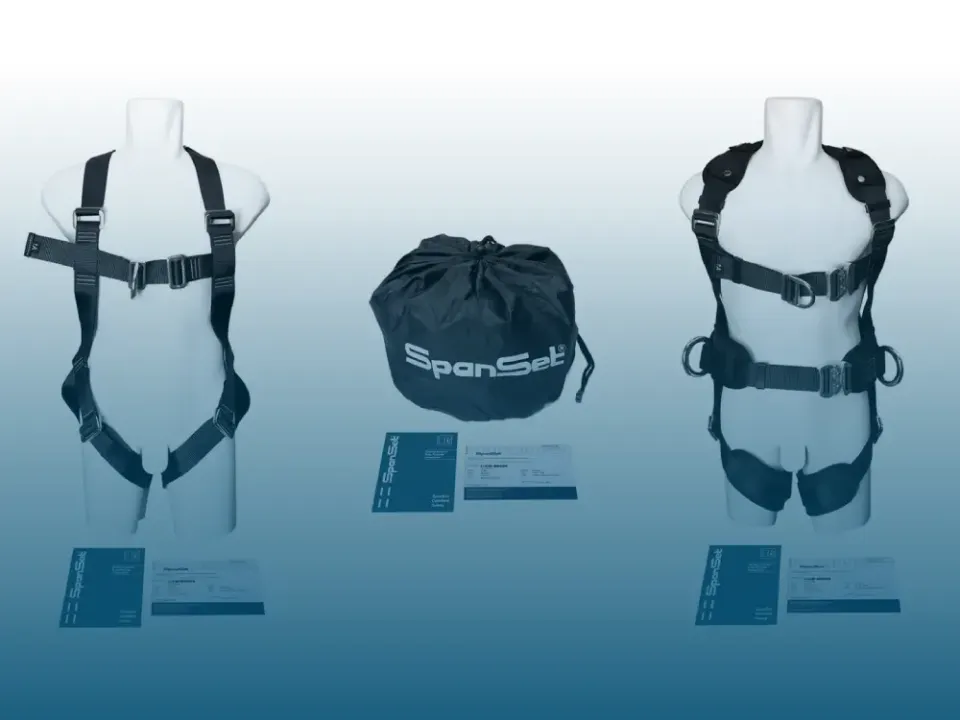
SPANSET INDONESIA LIFELINE SAFETY

Practical for safety and work efficiency!

APPLY NOW

Why TKPK Training Is Mandatory for Working at Height Personnel

TKPK training is not merely a formality. This training is designed to equip workers with the knowledge, skills, and safe work attitudes required when working at height.

Without adequate training, workers are at risk of making critical mistakes such as:

  • Improper use of work-at-height personal protective equipment (PPE)

  • Installing anchor points that are not structurally sound

  • Ignoring fall protection systems

  • Lack of understanding of emergency procedures

Risks of Working at Height

The primary risks associated with working at height include:

  • Free fall incidents

  • Slipping or loss of balance

  • Falling objects from above

  • Failure of equipment or supporting structures

TKPK training helps workers understand these risks and control hazards before accidents occur.

Legal Basis and Regulations for TKPK in Indonesia

The obligation to undergo TKPK training and certification has a clear legal basis in Indonesia. Several key regulations that serve as the foundation include:

  • Law No. 1 of 1970 on Occupational Safety

  • Ministry of Manpower regulations related to Occupational Health and Safety (OHS)

  • Provisions governing the implementation of SMK3 (Occupational Safety and Health Management System)


Under these regulations, companies are required to:

  • Provide competent and qualified personnel

  • Protect workers from occupational hazards

  • Ensure that workers exposed to high-risk activities hold appropriate certification

Failure to comply with these obligations may result in:

  • Administrative sanctions

  • Work stoppage

  • Legal penalties

  • Financial losses and damage to the company’s reputation

Objectives of TKPK Training and Certification

TKPK training and certification are designed with clear and measurable objectives.

1. Enhancing Workforce Competency

Participants are equipped with both technical and practical understanding of:

  • Hazards associated with working at height

  • Safe working methods

  • The proper use of equipment and PPE

2. Reducing Workplace Accident Rates

Competent workers are able to:

  • Identify potential hazards more quickly

  • Take appropriate preventive actions

  • Reduce the risk of falls and injuries

3. Meeting OHS Requirements and Audit Standards

TKPK certification serves as evidence that a company:

  • Complies with applicable regulations

  • Has an effective risk control system in place

  • Is prepared for OHS audits and project tender requirements

Types of TKPK Certification Based on Level

TKPK certification is divided into several levels according to the scope of responsibility and required competency.

TKPK Level 1 (Basic)

Intended for operational field workers. The focus includes:

  • Basic understanding of working-at-height OHS principles

  • Proper use of PPE

  • Safe working techniques

TKPK Level 2 (Intermediate)

Designed for experienced workers and site coordinators. The focus includes:

  • Job risk analysis

  • Technical supervision

  • Implementation of fall protection systems

TKPK Level 3 (Supervisor)

Intended for supervisors and site management personnel. The focus includes:

  • Work-at-height planning

  • Risk control and mitigation

  • Safety evaluation and supervision

Who Is Required to Attend TKPK Training

TKPK training is mandatory for:

  • Construction workers

  • Maintenance technicians

  • Scaffolding workers

  • Tower and network technicians

  • HSE Officers and site supervisors

  • Project supervisors

Both new and experienced workers are required to attend the training to ensure consistent competency standards.

TKPK Training Curriculum

The TKPK training curriculum is developed in accordance with OHS standards and on-site operational requirements.

Theoretical Modules

  • Fundamentals of OHS for working at height

  • Hazard identification and risk assessment

  • Safety regulations and standards

  • Fall protection systems

Practical Modules

  • Proper use of full body harnesses

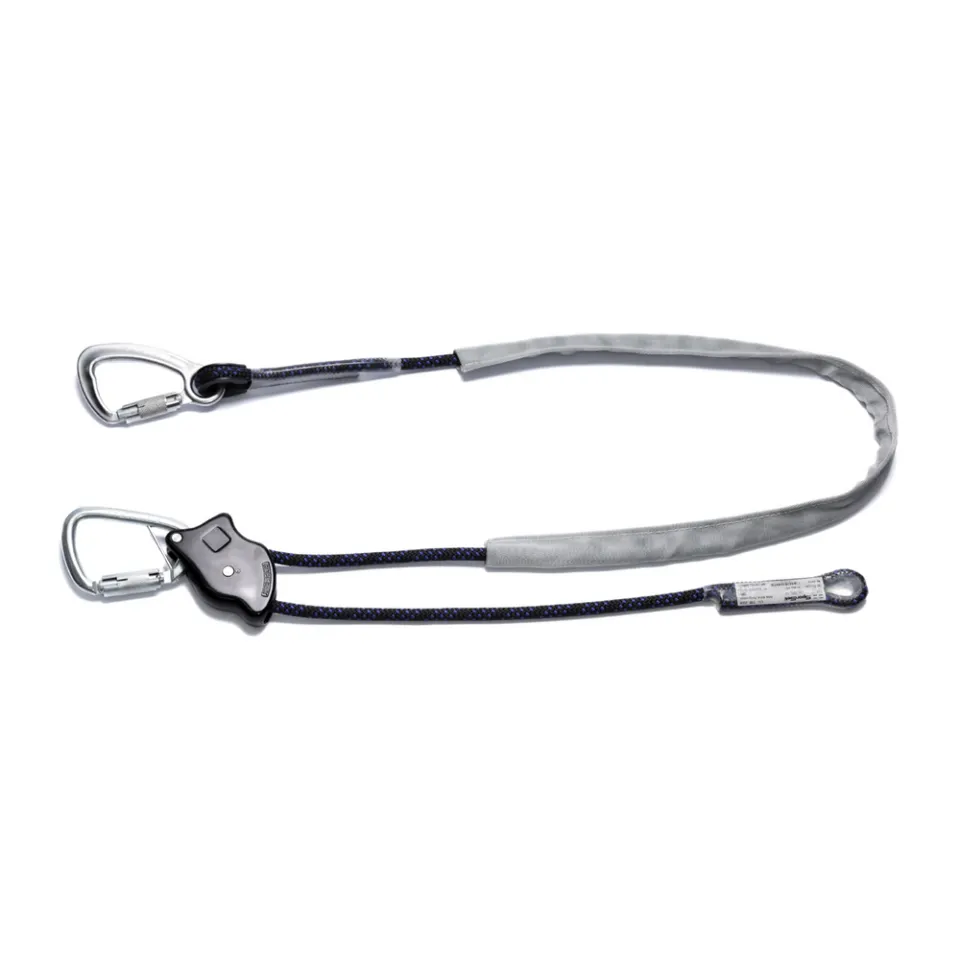
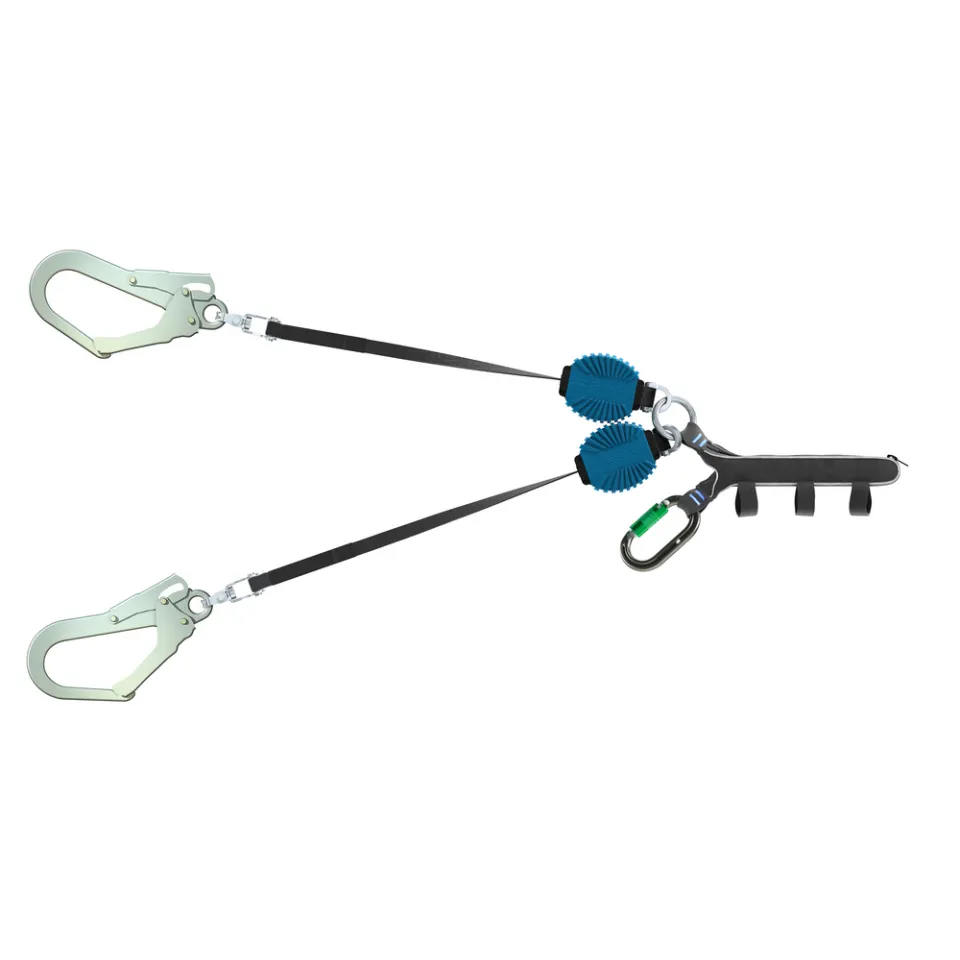
  • Installation of lanyards and lifelines

  • Safe working techniques at height

  • Emergency response and rescue simulations

TKPK Training Methods

TKPK training applies a blended learning approach to ensure participants achieve full competency.

  • Theoretical classroom sessions for conceptual understanding

  • Hands-on field practice with realistic simulations

  • Discussion of workplace accident case studies

  • Competency evaluation and assessment

This approach ensures participants not only pass the examinations but are also able to apply the knowledge effectively in real work environments.

TKPK Competency Assessment Process

Following the training, participants will undergo a competency assessment that includes:

  • Written examinations

  • Practical assessments

  • Observation of work attitudes and behaviors

The competency assessment is conducted by licensed assessors in accordance with the applicable certification scheme. Participants who are declared competent are entitled to receive an official certificate.

TKPK Certificate Issued

Participants who successfully pass the assessment will receive:

  • Official TKPK Certificate

  • Nationally recognized competency accreditation

  • Supporting documentation for audits and project tenders

This certificate has a specified validity period and must be renewed in accordance with applicable regulations.

Benefits of Attending TKPK Training in Surabaya

Participating in TKPK Training in Surabaya offers numerous advantages:

  • Strategic location with easy accessibility

  • More cost-efficient training options

  • Strong support from industrial sectors and projects across East Java

  • Flexible schedules for both regular and in-house training programs

Surabaya serves as a major industrial hub with a high demand for TKPK-certified personnel.

TKPK Training Facilities

Professional TKPK training providers offer:

  • Dedicated working-at-height practice areas

  • Industry-standard personal protective equipment (PPE)

  • Experienced and certified instructors

  • Official training modules and updated regulatory references

These facilities ensure that the training is conducted safely and effectively.

Duration and Schedule of TKPK Training

The duration of training varies depending on the certification level, generally as follows:

  • 2–3 days for the basic level

  • Longer durations for intermediate and supervisor levels

Available options include:

  • Regular scheduled training

  • Company-specific (in-house) training programs

TKPK Certification Training Fees

Training fees are influenced by several factors:

  • Certification level

  • Training duration

  • Facilities and practical sessions

  • Number of participants

When compared to the potential risks and costs of workplace accidents, TKPK training fees represent a highly valuable investment in safety.


Differences Between Official and Unofficial TKPK Training

Official training:

  • Certificates are officially recognized

  • Training materials comply with regulations

  • Delivered by competent and certified instructors

Unofficial training:

  • Certificates may be invalid or not legally recognized

  • Not accepted during audits

  • Potentially in violation of legal requirements

Impact of TKPK Training on Workplace Safety

Companies that consistently implement TKPK training will experience:

  • Reduced workplace accidents

  • Improved OHS culture

  • Smoother project execution and audit processes

  • Higher levels of client trust

Common Mistakes When Working at Height Without Training

Commonly observed mistakes include:

  • Incorrect selection of anchor points

  • Failure to use complete PPE

  • Worker overconfidence

  • Ignoring safe work procedures

TKPK training is specifically designed to prevent these errors.

How to Register for TKPK Certification Training in Surabaya

The registration process generally includes:

  • Completion of the registration form

  • Submission of identification requirements

  • Training schedule arrangement

  • Payment confirmation

Tips for Choosing the Right TKPK Training Provider

Select a training provider that:

  • Is legally registered and accredited

  • Employs experienced instructors

  • Offers adequate practical training facilities

  • Has positive participant testimonials

TKPK Training and Certification for Working at Height Personnel in Surabaya is a mandatory requirement for both workers and companies involved in high-risk activities. This training not only ensures regulatory compliance, but also protects workers’ lives, supports project continuity, and enhances workforce professionalism.

Interesting Articles

Main Components of Scaffold

Scaffolds have an important role in the world of construction. Then, what are the main components of the scaffold? Check out the following...


Find Us