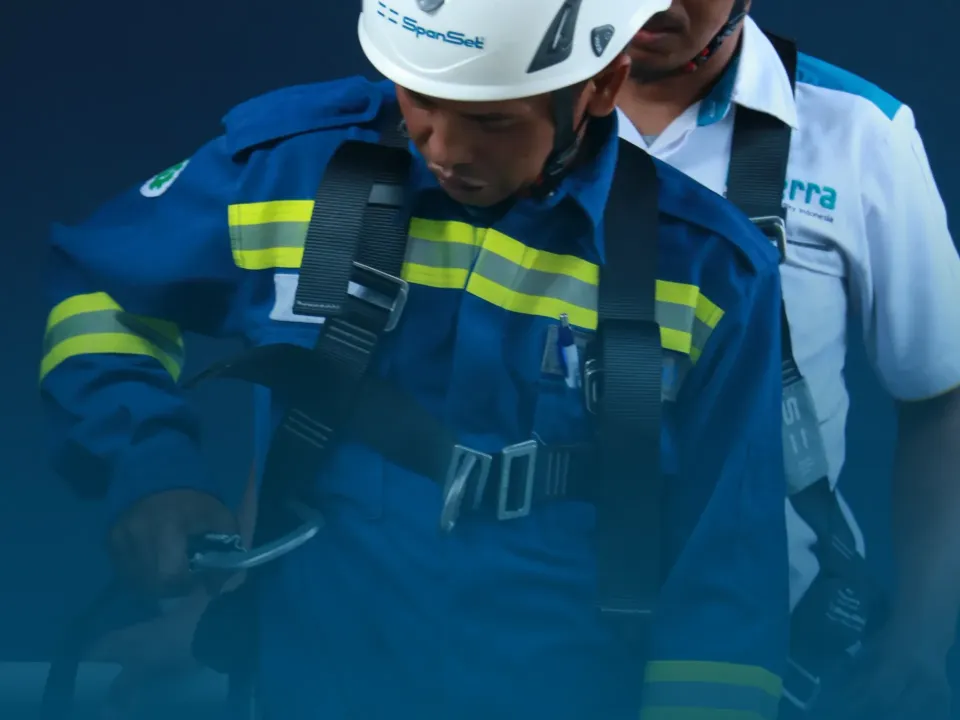
Height Safety

What Is a Fall Rescue Plan?

A Worker Evacuation and Rescue Plan for Fall Hazards

The risk of falling is always present, even when all safety equipment is properly used. That’s why having a fall rescue plan is crucial. This plan is designed to ensure a quick response in the event of a fall incident, so workers can be safely evacuated and receive medical assistance as soon as possible.

Without a clear rescue plan, the risk of serious injury or even death can increase dramatically.

What Is a Fall Rescue Plan?

A fall rescue plan is a systematically designed rescue procedure to safely retrieve workers who have fallen from height and bring them to a secure location as quickly as possible.

The main goal? To minimize injury impact and accelerate medical response. Every company that involves work at height—whether in construction projects, manufacturing industries, warehousing, or the energy sector—must have a fall rescue plan in place.

SPANSET INDONESIA TRAINING

Practical training for safety and work efficiency!

APPLY NOW

Why Is a Fall Rescue Plan Important?

There are three main reasons why every company should have a fall rescue plan:

1. Enhancing Worker Safety

With a well-structured and well-trained rescue procedure, response time can be minimized as much as possible.

This means that a fallen worker won’t have to wait too long for assistance — often the key difference between a minor injury and a serious one.

2. Complying with Occupational Health and Safety Standards

Implementing a fall rescue plan is a mandatory requirement under international standards such as OSHA and ANSI.

Compliance with these regulations also reflects the company’s responsibility and commitment to protecting its workforce.

3. Meningkatkan Kepercayaan dan Moral Pekerja

Ketika pekerja tahu bahwa ada prosedur darurat yang siap dijalankan kapan saja, rasa aman mereka akan meningkat.

Kepercayaan ini berdampak langsung pada produktivitas dan loyalitas terhadap perusahaan.

Key Components of a Fall Rescue Plan

An effective fall rescue plan typically consists of the following essential elements:

1. Anchor Points

Identifying strong and strategically placed anchor points is crucial. These points serve as secure attachment locations for rescue equipment such as ropes or fall arrest systems.

2. Structured Evacuation Procedures

Evacuation steps must be clearly defined, covering every detail from lifting or lowering the victim to ensuring safe evacuation routes.

3. Rescue Equipment

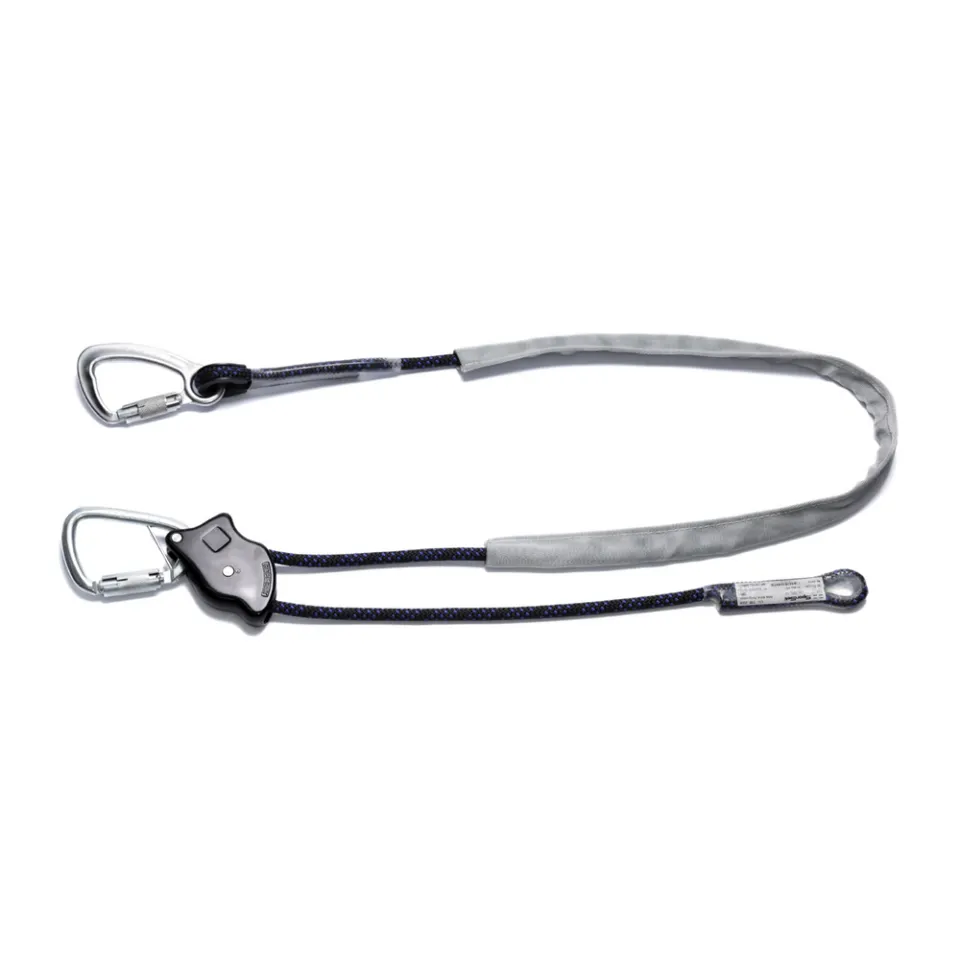
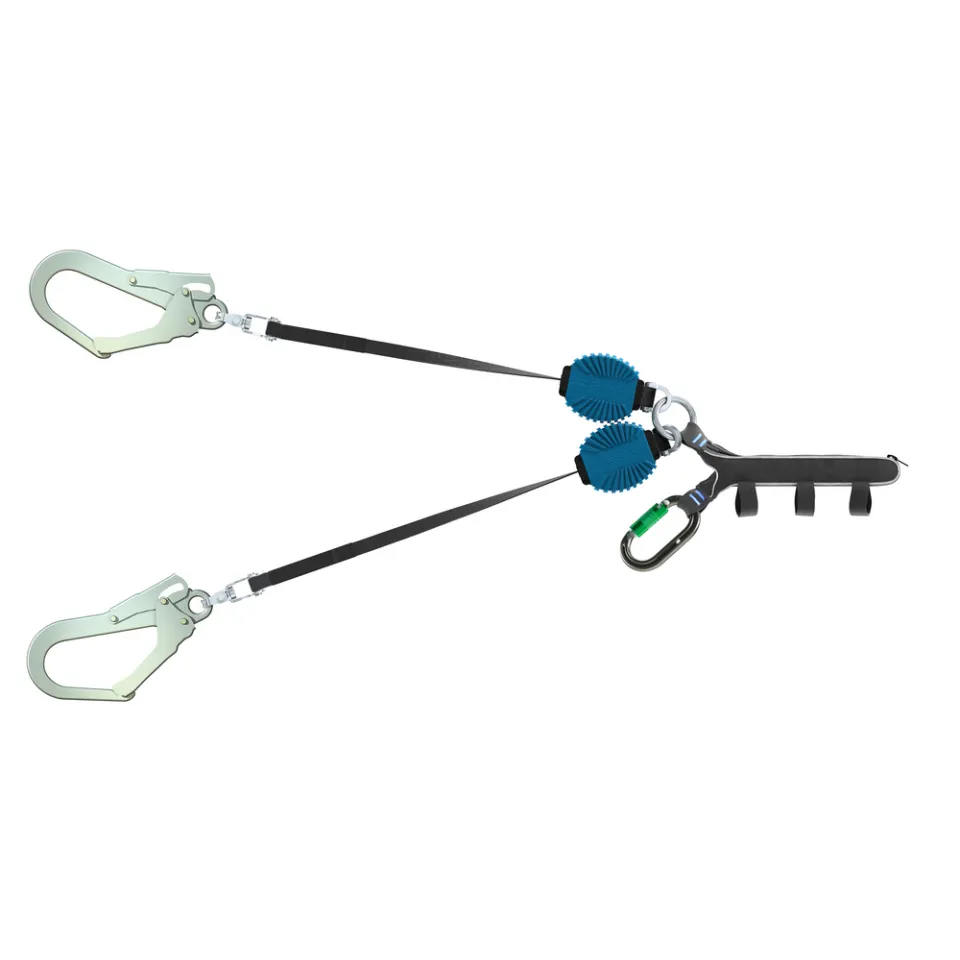
Ensure all equipment such as harnesses, rescue ropes, carabiners, and fall arresters are in excellent condition. Use equipment suited to the specific type of work and site conditions.

4. Medical Procedures and First Aid

After the victim has been safely evacuated, the next step is to provide immediate and proper first aid. Rescue teams should have basic medical training and know how to respond effectively to emergency situations.

Steps to Develop a Fall Rescue Plan

Once the risks have been identified, the next step is to prepare the appropriate rescue equipment.

1. Assess Risks and Identify Hazard Areas

Conduct a thorough survey to determine work areas with potential fall hazards. Focus on locations that are hard to reach or prone to slips and loss of balance.

2. Choose the Right Equipment

Select rescue equipment based on the site conditions and type of activity. For example, in outdoor areas exposed to rain, use equipment that can withstand extreme weather conditions.

3. Train the Rescue Team

An emergency scenario will not run smoothly without proper training. Conduct regular rescue simulations so the team understands their roles and can respond quickly during real-life situations.

4. Review and Update the Plan Regularly

Work systems, equipment, and environments can change over time. Therefore, the fall rescue plan must be reviewed and updated regularly to ensure it remains relevant and effective.

A Fall Rescue Plan Is a Safety Investment That Cannot Be Ignored

A fall rescue plan is not just about compliance—it’s about saving lives and ensuring safety. With proper planning and a well-trained team, fall incidents can be managed quickly and effectively.

Don’t wait for an accident to happen before creating your plan. Contact us today for a consultation and start building a safer, more productive work environment.

Interesting Articles

Main Components of Scaffold

Scaffolds have an important role in the world of construction. Then, what are the main components of the scaffold? Check out the following...


Find Us