Height Safety

Dangers & Risks of Working Without TKBT Certification

From Legal Sanctions to Life-Threatening Consequences – Based on Official Regulations and Latest Data

What is the biggest risk of working at height without a TKBT (Tenaga Kerja Bangunan Tinggi) certification? Beyond the danger of fatal accidents due to limited technical competence, working without an official license violates Minister of Manpower Regulation No. 9 of 2016 on Occupational Safety and Health for Work at Height.

This regulation requires employers to ensure that every worker at height has verified competence in accordance with the Indonesian National Work Competency Standards (SKKNI). Without certification, workers’ lives are at risk, while companies face potential criminal and administrative sanctions, including project shutdowns.

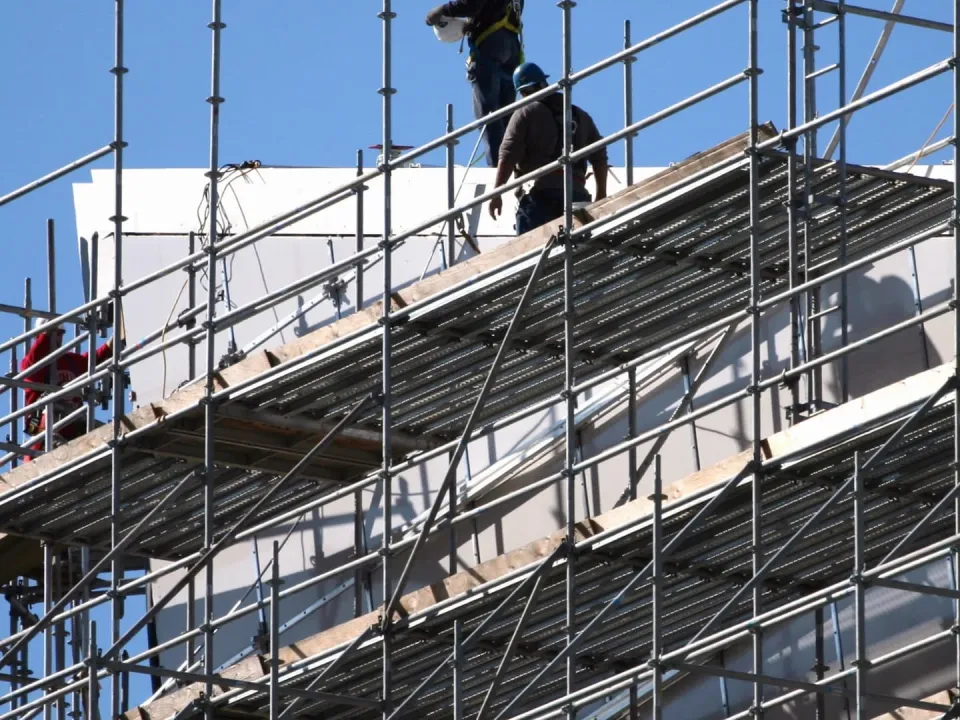
According to data from the Indonesian Ministry of Manpower, workplace accidents in 2024 reached 462,241 cases, with the construction sector contributing the largest share (around 29% of the national total).

Falls from height remain the leading cause in this sector, as reported by BPJS Ketenagakerjaan.

TKBT certification is not merely a formality, but a legal and technical requirement to protect both workers and companies.

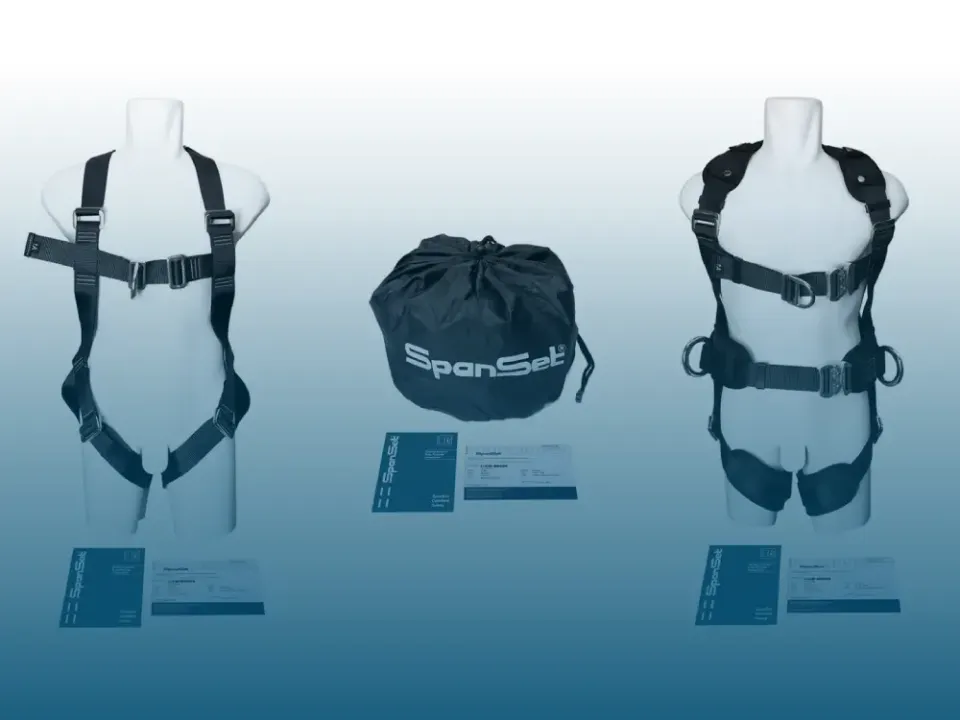
SPANSET INDONESIA LIFELINE SAFETY

Practical for safety and work efficiency!

APPLY NOW

Legal Risks and Administrative Sanctions for Companies

Working at height without certification constitutes a serious violation of Indonesian labor law. Employers who neglect the licensing requirements for their personnel place their businesses in a vulnerable position to claims from the state and third parties.

Violation of Law No. 1 of 1970 on Occupational Safety and Minister of Manpower Regulation No. 9 of 2016

Law No. 1 of 1970 requires employers to ensure and protect the safety of every worker. Its provisions emphasize that workers at height must receive proper training and recognized competence. Such violations can form the basis for prosecution in cases of safety malpractice.

Minister of Manpower Regulation No. 9 of 2016 specifically governs occupational safety and health (OSH) for work at height, including the obligation for employers to provide competent workers, emergency response plans, and appropriate equipment. Without TKBT Level 1 or Level 2 certification, operations are considered to lack qualified personnel, making all related activities potentially illegal.

Sanctions Ranging from Written Warnings to Business License Revocation

Labor inspectors have the authority to impose graduated sanctions, starting from written warnings, restrictions on business activities, and ultimately revocation of business licenses. Repeated violations may result in the company being blacklisted, making it difficult to win national strategic project tenders. These sanctions aim to enforce national OSH discipline.

Criminal Liability of Supervisors and Managers in Fatal Accidents

If a fatal accident occurs, criminal liability may extend to individual supervisors or project managers due to negligence (Article 359 of the Indonesian Criminal Code or related provisions). Investigations will focus on the validity of workers’ licenses as proof of compliance with OSH procedures. TKBT certification becomes a key legal protection for field leaders.
Risk of Fatal Accidents Due to Lack of Competence

Data from BPJS Ketenagakerjaan shows that falls from height account for up to 26% of accidents in the construction sector. Without formal training based on Minister of Manpower Regulation No. 9 of 2016, workers rely solely on experience, which often ends in tragedy.

Inability to Identify Hazards at Height

Workers without certification often fail to detect hidden hazards such as structural fatigue, wind effects, or platform overload. TKBT training teaches risk analysis, anchor inspection, and early warning systems—skills that are only acquired through the national SKKNI standards.

Fatal Errors in the Use of Fall Arrest Equipment

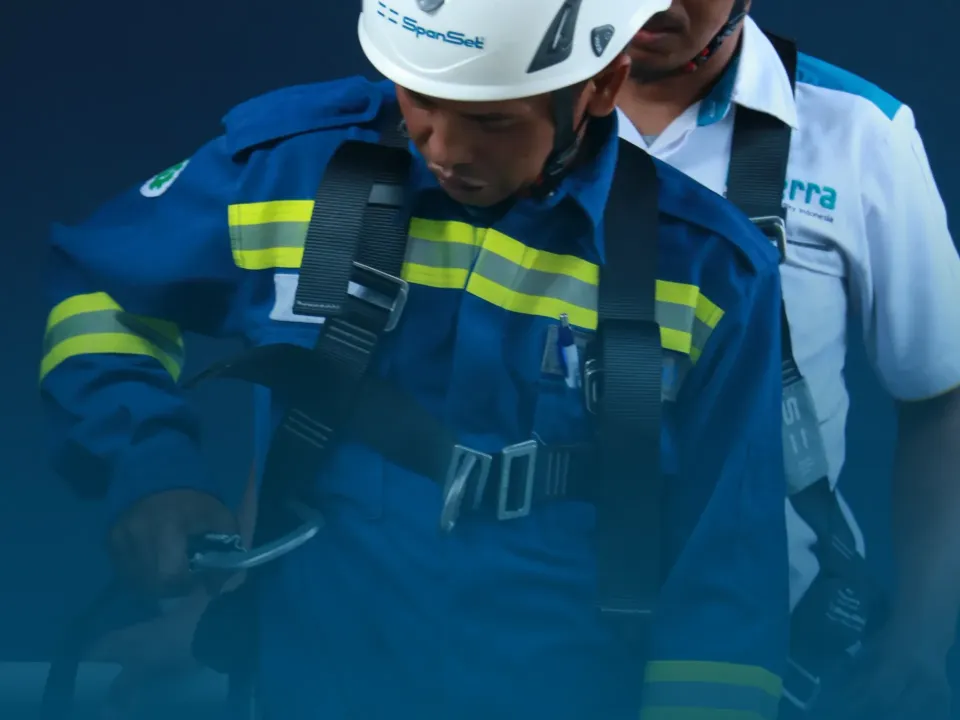
Mistakes such as attaching a lanyard below shoulder level or using a worn harness can lead to total system failure. TKBT certification trains workers to perform self-inspection and equipment maintenance in accordance with manufacturer standards, preventing a false sense of safety.

Failure to Follow Safe Work Procedures on Permanent Structures

Transitions between anchor points without protection (an “unprotected moment”) are a common trigger for falls. TKBT Level 1 & 2 emphasize standard procedures, proper weight distribution, and verified work discipline.

Financial and Operational Impact on Projects

Accidents caused by non-compliance always result in significant losses. Cutting training costs becomes a long-term strategic mistake.

Rejection of Insurance and BPJS Ketenagakerjaan Claims

Insurance providers and BPJS have the right to reject claims if workers are not licensed in accordance with regulations. The burden of medical costs, compensation, and project downtime falls entirely on the company, including investigation expenses.

Escalating Costs from Property and Equipment Damage

Falling materials or structural damage can result in losses worth billions of rupiah. Combined with operational stoppages and audits, these losses far exceed the investment in certification.

Negative Corporate Image in the Eyes of Clients and Government

A single incident can lead to contract cancellations and strict oversight. Companies with certified workers have a competitive advantage in tenders by demonstrating proven commitment to occupational safety.

Career Limitations for Non-Certified Workers

Without a TKBT license, career opportunities are limited to small projects with lower standards.

Recruitment Rejection for Strategic Projects

State-owned enterprises, multinational companies, and national projects require TKBT certification. Experience alone is not enough; official validation is mandatory.

Barriers to Advancing into Supervisor or OSH Specialist Roles

TKBT Level 2 is a prerequisite for supervisory positions. Without it, promotion opportunities and advanced training are restricted.

Lower Wage Standards as Unskilled Labor

Non-certified workers are often classified as unskilled labor, resulting in lower wages and risk allowances despite facing the same hazards.

Psychological Risks and Work Culture on Site

Anxiety and lack of confidence due to insufficient training can worsen safety conditions.

High Anxiety and Loss of Concentration

TKBT training builds confidence through technical knowledge, reducing impulsiveness and fatal mistakes.

Weak Team Trust

Teams without standardized certification struggle to coordinate effectively, especially during emergency rescue situations.

The Emergence of a Dangerous “Shortcut” Culture

A culture of neglecting safety can spread across generations of workers; certification establishes a shared, proactive safety standard.

Why Is TKBT Certification from the Ministry of Manpower Mandatory?

A certificate issued by the Indonesian Ministry of Manpower serves as national legal recognition based on Minister of Manpower Regulation No. 9 of 2016 and the SKKNI. It ensures uniform competency standards across Indonesia, including access techniques, rescue procedures, and the use of modern safety equipment.

National Competency Standardization

The license enables workforce mobility and serves as a benchmark for companies without relying on non-standard internal assessments.

Validation of Skills in Modern Safety Equipment

Training includes hands-on practice with harnesses, descenders, and the latest fall arrest systems, reducing human error in the Industry 4.0 era.

Legal Protection for Workers and Employers

During audits or legal proceedings, a valid certificate serves as evidence of due diligence, protecting against allegations of criminal negligence.

Secure Your Career and Life: TKBT Training at SpanSet Indonesia

SpanSet Indonesia is a Ministry of Manpower–accredited training provider with global experience in height safety. As part of the international SpanSet network, we combine global standards with local regulations to produce competent, field-ready technicians. Thousands of workers have been trained through our intensive theory-and-practice methodology.

Why Choose TKBT Level 1 & 2 Training at SpanSet?

We do more than issue certificates—we build safety instincts through realistic simulations and the use of equipment manufactured with our own technology. Our graduates are recognized by major companies for both international and national credibility.

Comprehensive Curriculum: From Regulatory Theory to Rescue Practice

The program covers an in-depth review of Minister of Manpower Regulation No. 9 of 2016, hazard identification, PPE usage, rescue procedures, logbooks, and equipment management. The curriculum is continuously updated based on regulator input and industry trends.

Professional Instructors with Dual Certification

Our instructors hold both Ministry of Manpower and international certifications, with extensive field experience in high-risk projects. Interactive teaching ensures every practical movement is corrected to eliminate unsafe habits.

Official Ministry of Manpower Certification with License Card (SIO)

Graduates receive an official certificate and license card issued by the Ministry of Manpower, valid in accordance with regulations (generally 5 years). The process is transparent and fully compliant with official procedures.

Your Path to TKBT Professionalism with SpanSet

Join our program to protect lives and unlock career opportunities. SpanSet Indonesia supports both individuals and companies through regular and in-house training programs.

Register for TKBT Level 1 Training for Field Technicians

The basic program covers safe movement, PPE usage, and hazard identification. Classes are scheduled monthly with complete facilities.

Advance to TKBT Level 2 for Supervisors and Coordinators

Focused on team management, complex anchor systems, and emergency leadership—key prerequisites for advancing to OSH supervisory roles.

Latest Batch Schedule and Certification Consultation

Contact the SpanSet Indonesia team for the latest batch schedule, investment details, or customized corporate training. Start today for a safer and more professional career!

Contact: Visit the official SpanSet Indonesia website or reach out via official WhatsApp for registration and free consultation.

TKBT certification is a mandatory safety investment. The data and regulations referenced above are sourced from official documents by the Ministry of Manpower and BPJS Ketenagakerjaan (accessed 2026). Always verify the latest regulatory updates at jdih.kemnaker.go.id.

Interesting Articles

Main Components of Scaffold

Scaffolds have an important role in the world of construction. Then, what are the main components of the scaffold? Check out the following...


Find Us