Load Control

How to Use Ratchet Lashing

An Efficient and Safe Load Securing System

Securing loads during transportation is a crucial aspect of workplace safety and logistics operations. One of the most commonly used tools for this purpose is ratchet lashing, a securing system designed to provide optimal tension to keep loads stable during transport or storage.

What Is Ratchet Lashing?

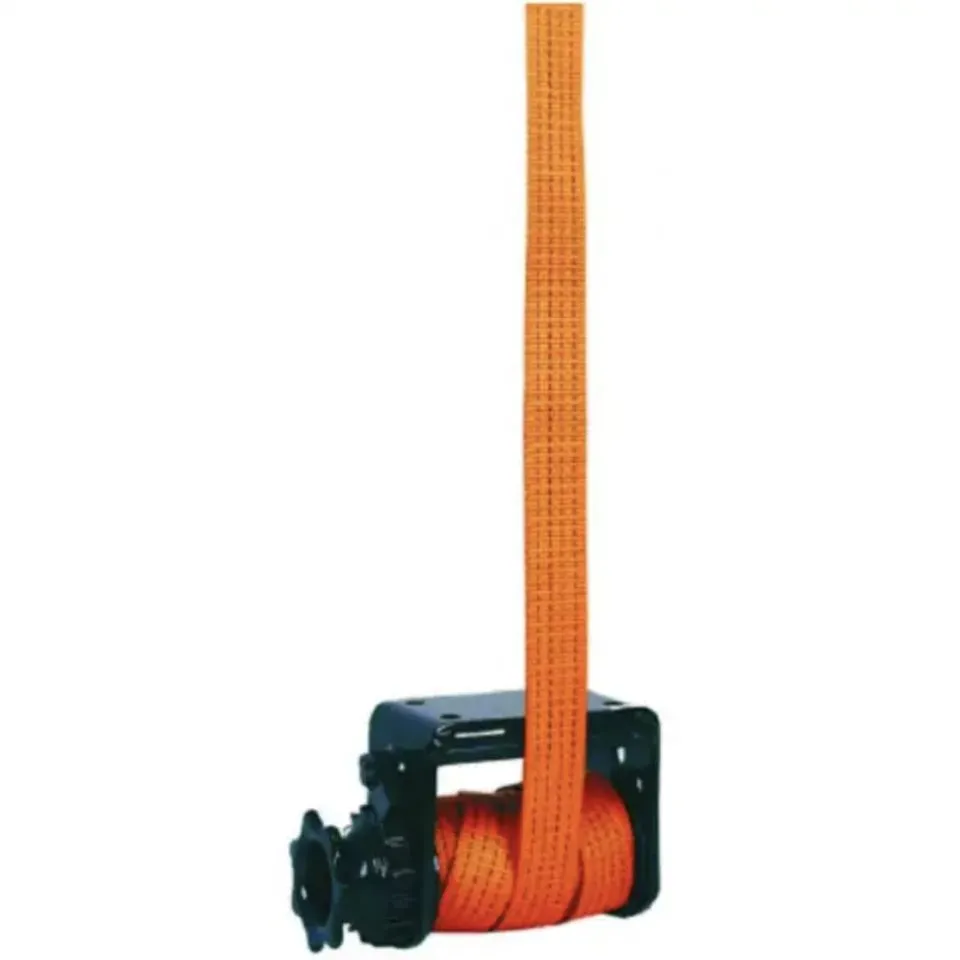
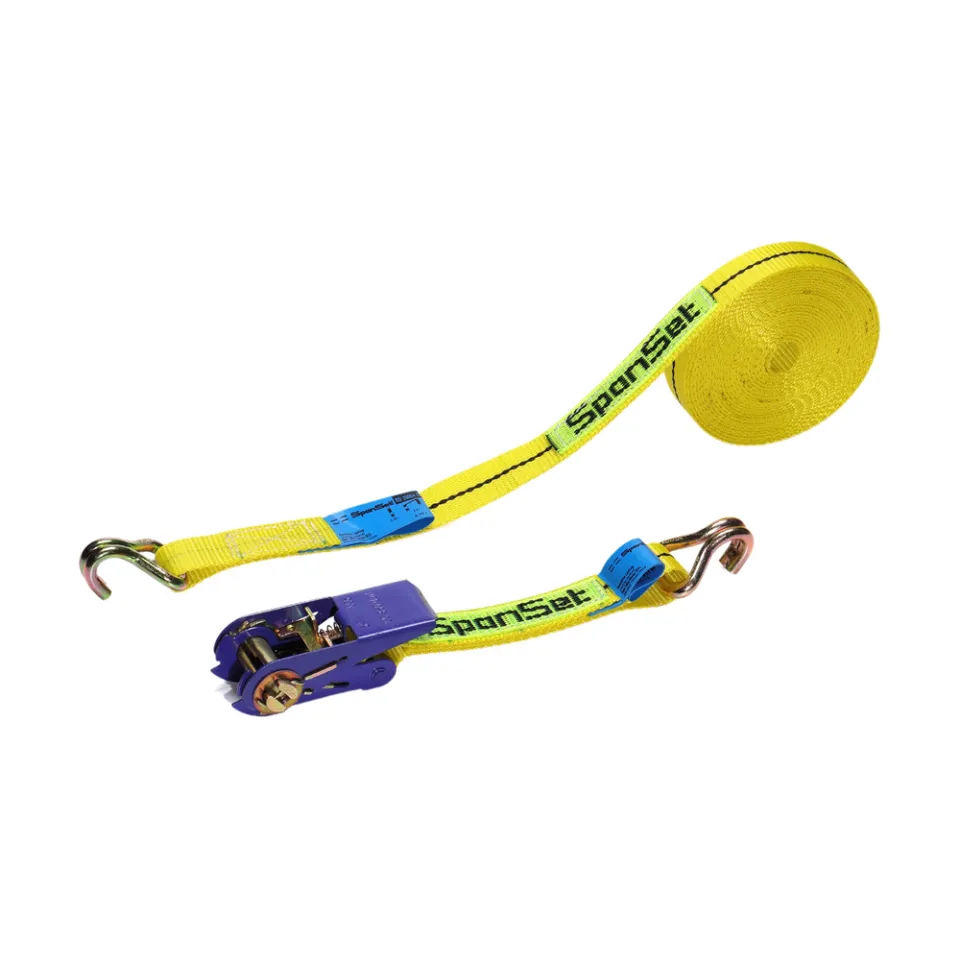
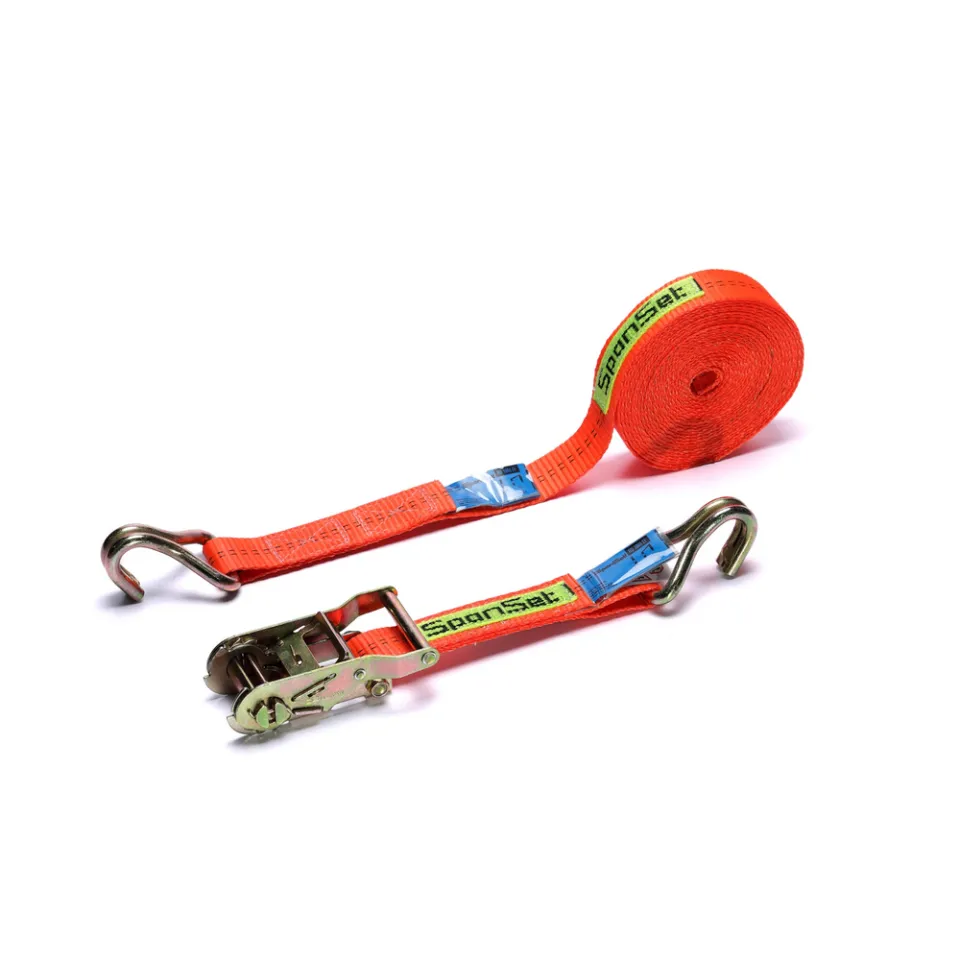
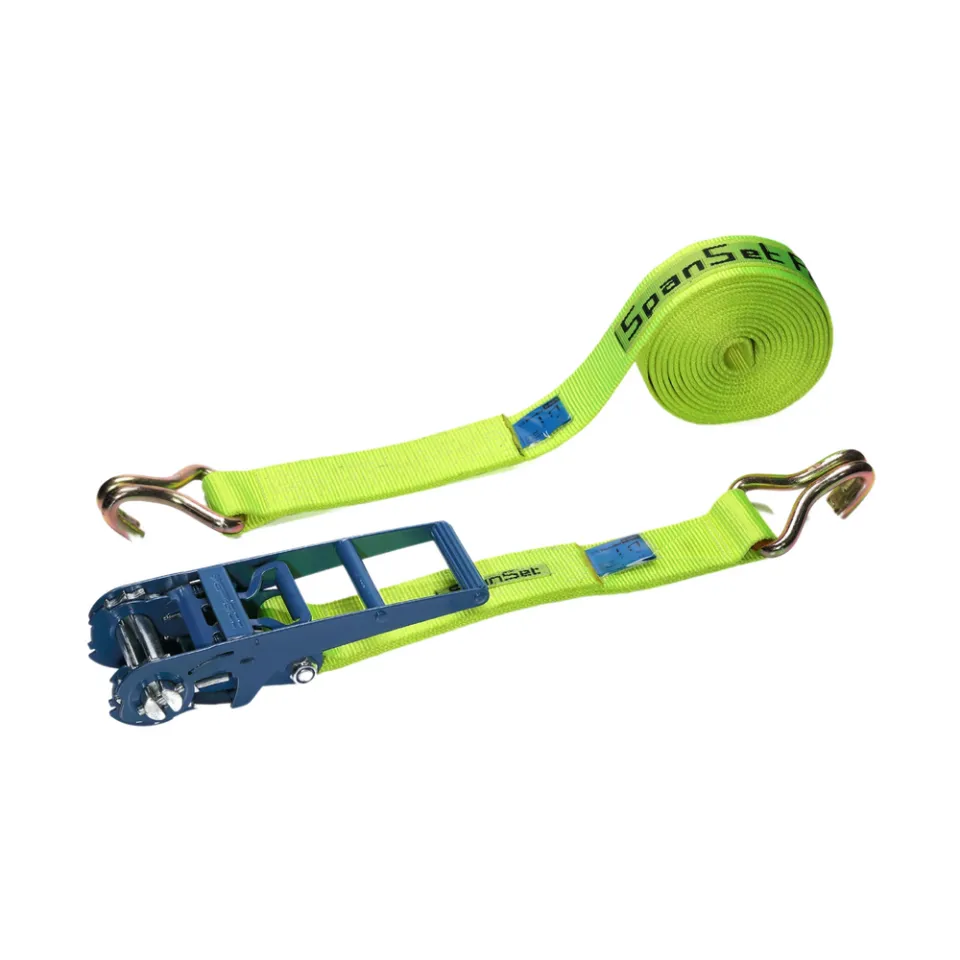
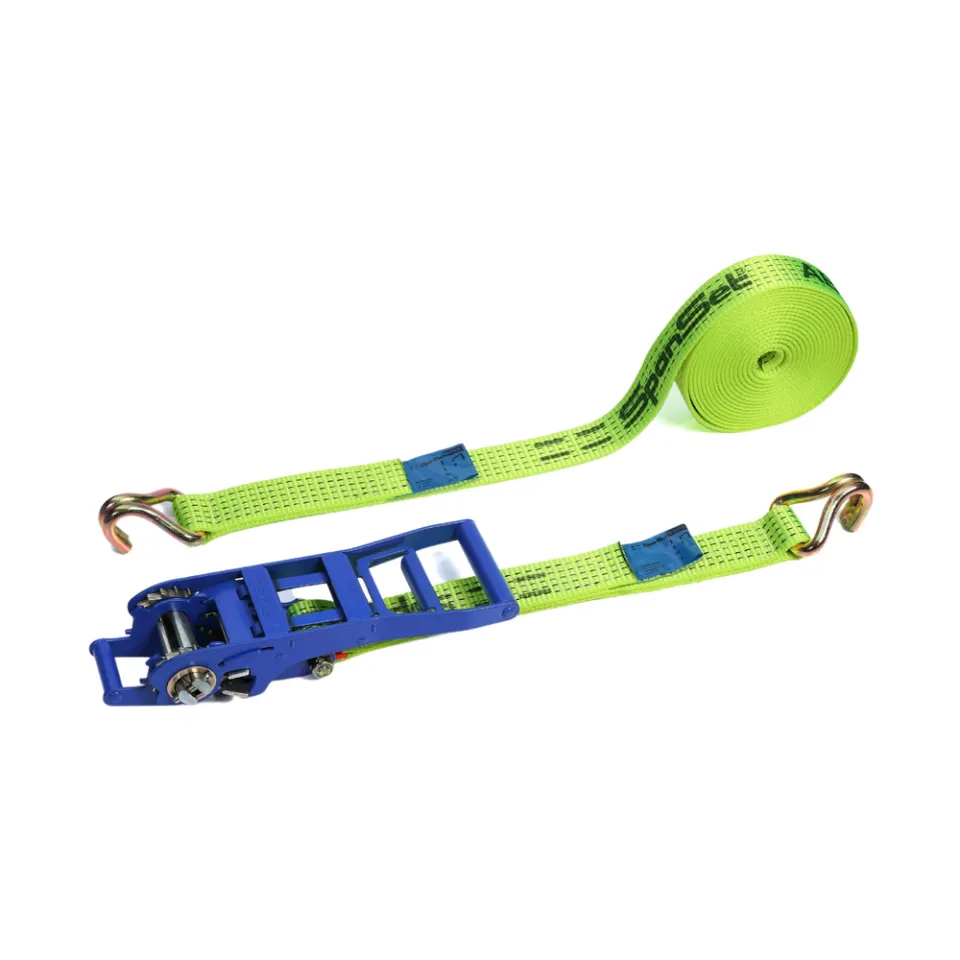
Ratchet lashing is a load-securing system that uses a ratchet tensioner to apply pressure to a strap or webbing, ensuring the load is tightened securely. This system is typically paired with webbing slings or tie-down straps and is widely used on transport vehicles as well as in storage structures.

The main advantage of ratchet lashing is its precise tension control compared to manual tying methods, significantly reducing the risk of load shifting or damage.

SPANSET INDONESIA TRAINING

Practical training for safety and work efficiency!

APPLY NOW

Main Components of Ratchet Lashing

Before using a ratchet lashing, it is important to understand the main components that make up the system:

1. Ratchet Tensioner

This component functions as the main tightening tool. The ratchet’s gear mechanism allows gradual tightening and provides stable tension on the webbing or tie-down strap.

2. Webbing or Tie-Down Strap

The webbing is typically made from polyester or nylon, capable of withstanding significant loads without breaking easily. The length and width of the strap can be adjusted based on the size and type of the load.

3. Hook

The hook is used to connect the strap or webbing to the anchor point on a vehicle or storage structure. It is usually made from steel or other strong metals to ensure a secure fastening.

How to Use Ratchet Lashing Properly

To ensure the load remains secure, follow these recommended ratchet lashing procedures:

1. Choose the Appropriate Ratchet Lashing

Make sure the ratchet lashing has a Working Load Limit (WLL) higher than the load you need to secure. Select webbing that is long enough for safe fastening.

2. Identify Strong Anchor Points

Use anchor points that can withstand the load and tension during transport. Avoid points that are corroded or damaged.

3. Thread the Webbing into the Ratchet Tensioner

Ensure the strap is positioned flat and not loose to maintain effective load securing.

4. Attach the Strap to the Anchor Point

Install the hook properly and make sure the webbing is not twisted or tangled.

5. Tighten Using the Ratchet Tensioner

Pump the ratchet handle until the desired tension is reached. Check regularly to ensure there is no slack that could cause the load to shift.

6. Inspect the Entire Securing System

Ensure all components such as the ratchet, webbing, and hooks are securely installed. Check the condition of the strap to avoid any damage that may compromise safety.

Benefits of Using Ratchet Lashing

By understanding how to use ratchet lashing correctly, you can gain several key benefits:

1. More Stable and Secure Load Securing

Ratchet lashing provides optimal tension control, significantly reducing the risk of load shifting or damage.

2. Easy and Efficient to Use

Its simple operation allows for quick securing with minimal effort. The system also supports repeated use with minimal maintenance.

3. Flexible for Various Industrial Applications

Ratchet lashing is widely used in cargo transport, construction, and industrial material handling. Its safety and ease of use make it an ideal solution for various types of loads, from small projects to large-scale operations.

Conclusion

Ratchet lashing is an efficient, safe, and reliable load-securing system for transportation and storage. Using the right equipment and following proper procedures reduces the risk of accidents and ensures load stability during handling.

Always use ratchet lashing according to its load capacity and safety standards. Contact SpanSet Indonesia for further consultation on selecting and using the right ratchet lashing for your industrial needs.

Interesting Articles


Find Us