



Load Control / Lashing / Cargo Securing Training

This training program provides a comprehensive understanding of safety in load securing and load restraint activities during transportation. The course covers common field mistakes, the correct use of load control equipment, basic inspection procedures, and safe work practices to prevent load shifting and transport-related accidents.

Register here

Understanding the Load Securing Training

1. Fundamental Principles of Safe Load Control

Understanding the basic principles of load securing and load restraint, potential hazards during transportation, and preventive measures to avoid accidents caused by load shifting on vehicles.

2. Use & Inspection of Load Control Equipment

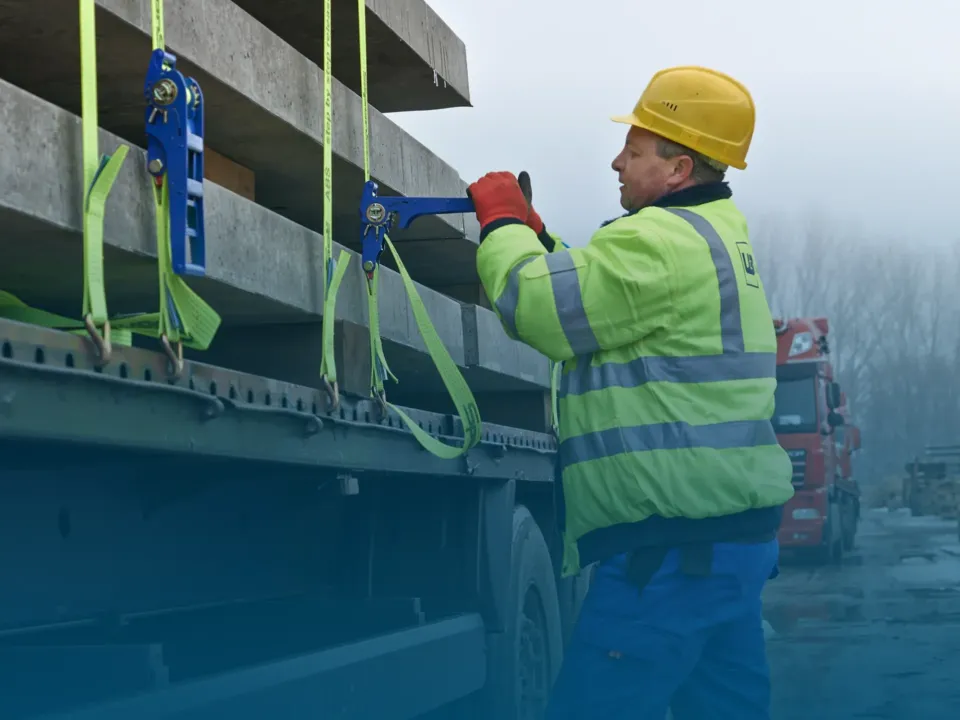
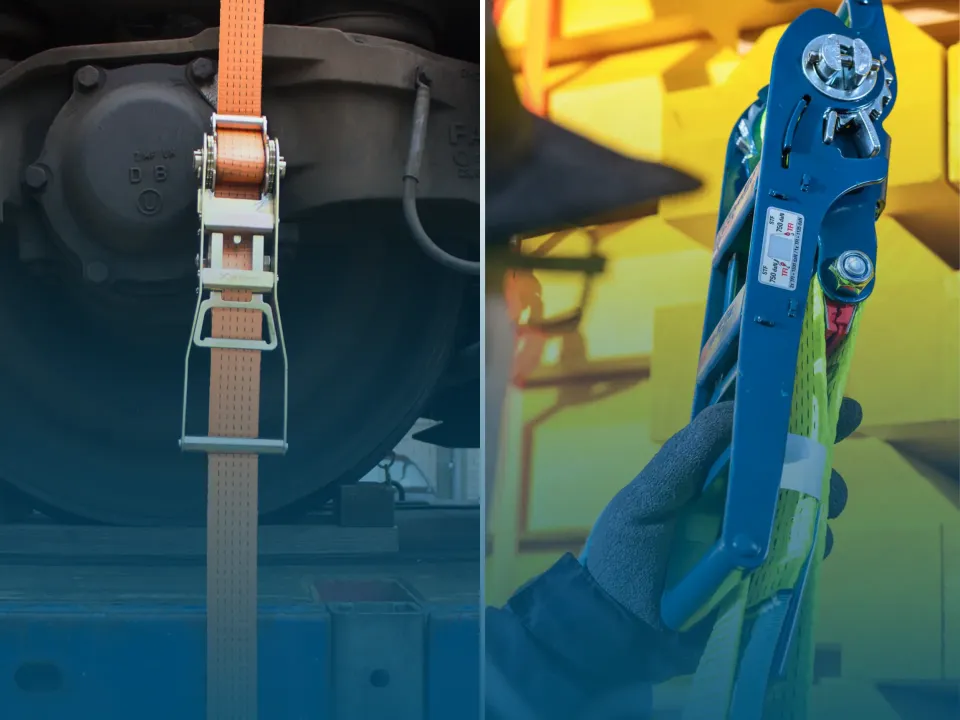
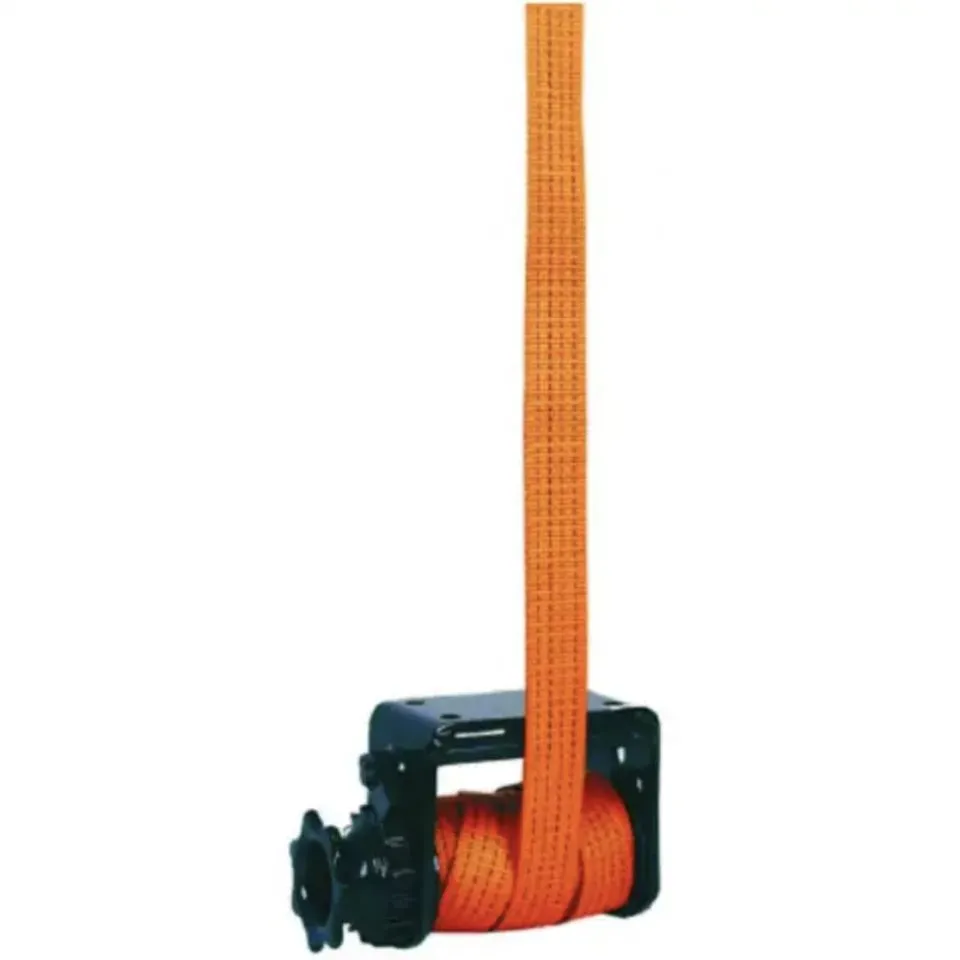
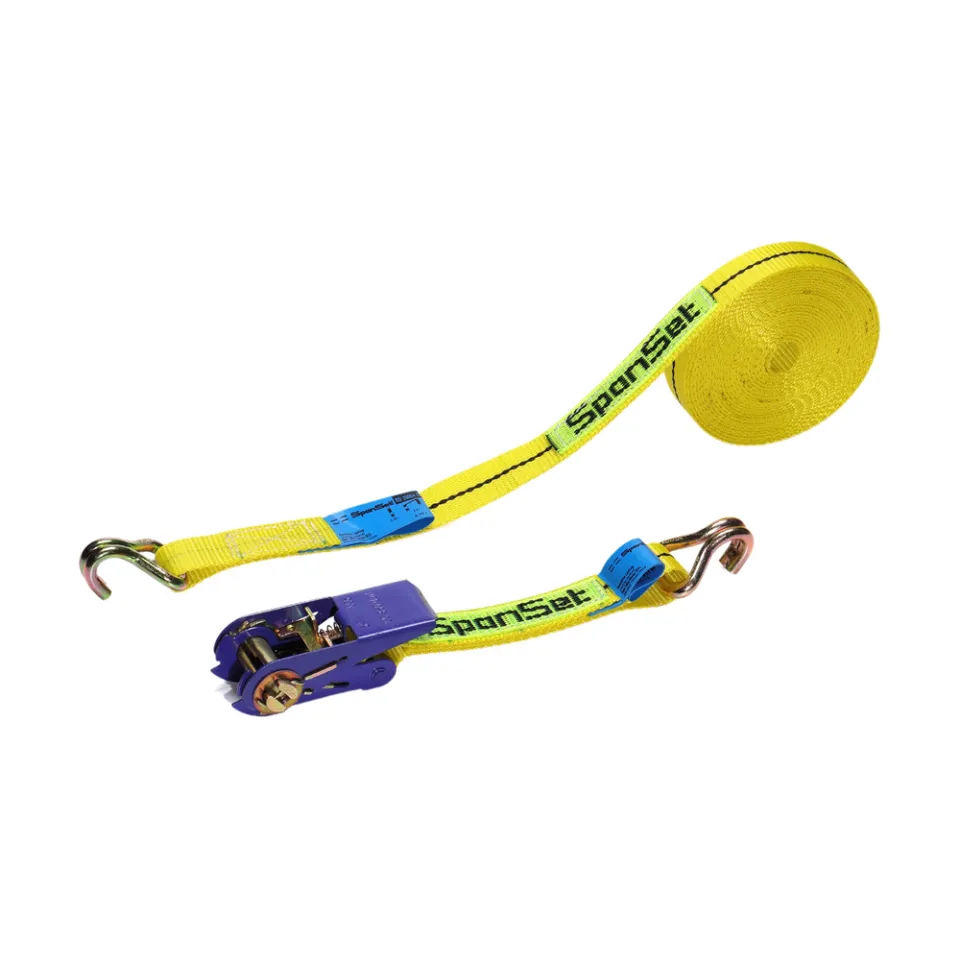
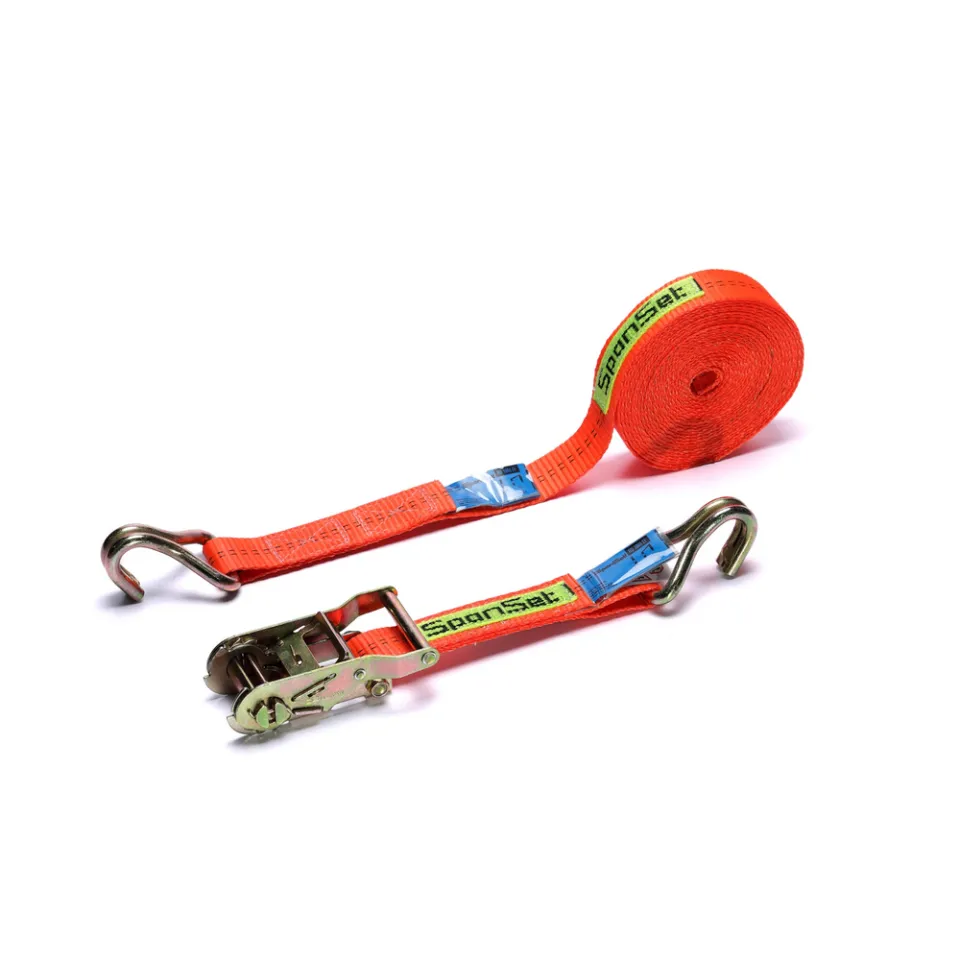
Identifying equipment such as webbing lashings, ratchet tensioners, corner protectors, and vehicle anchorage points, along with how to perform basic pre-use inspections.

3. Common Mistakes in Load Securing

Reviewing frequent field errors such as unbalanced securing, insufficient pre-tension, incorrect lashing angles, and the use of damaged webbing—along with practical ways to prevent them.

4. Field Practice & Procedures

Discussion of safe working practices in the loading area, proper load positioning, tie-down and diagonal lashing techniques, and securing procedures before the vehicle departs.

Core Load Securing Techniques

Mastering the fundamental methods required for different types of cargo and transport modes.

1. Tie-Down Lashing

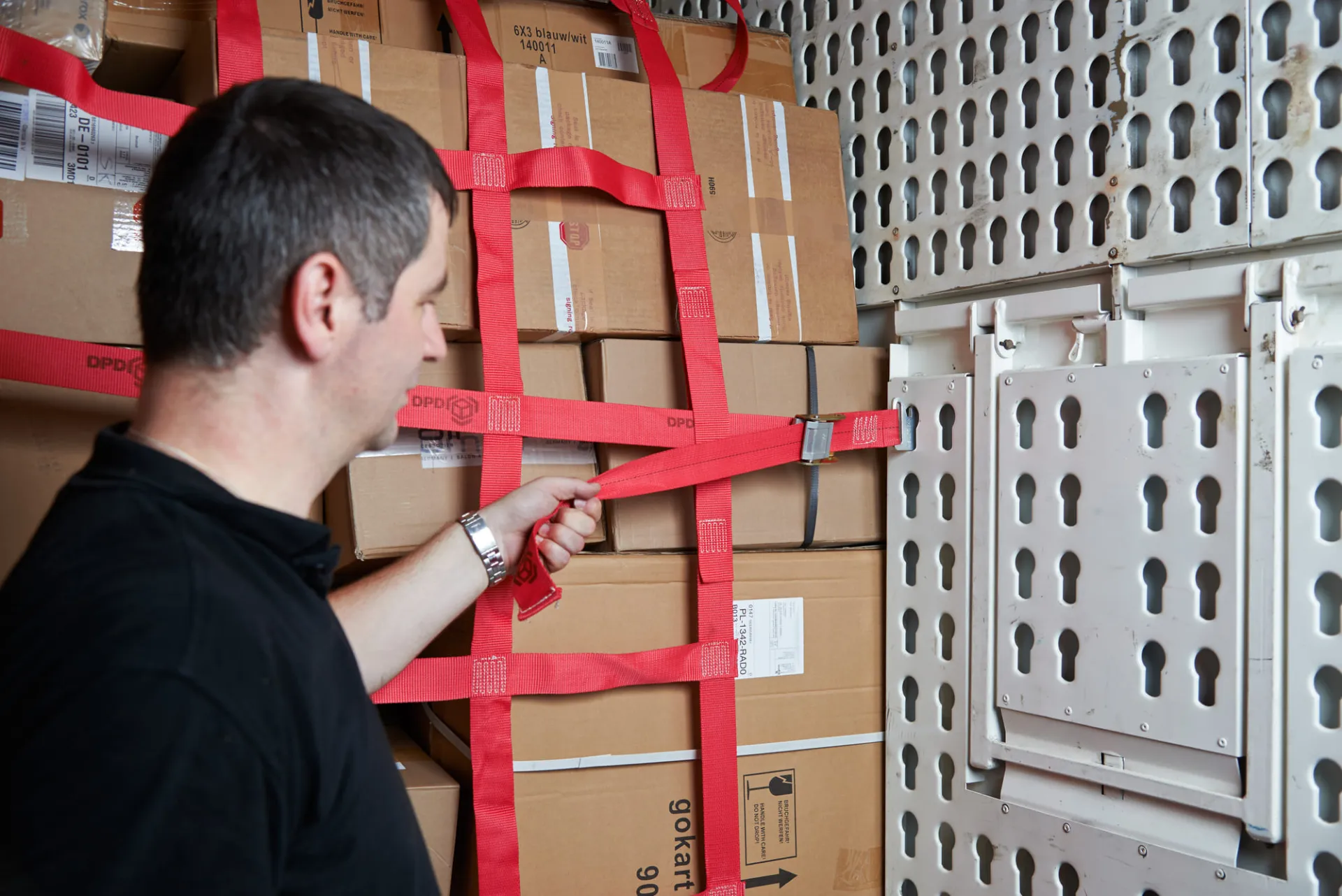
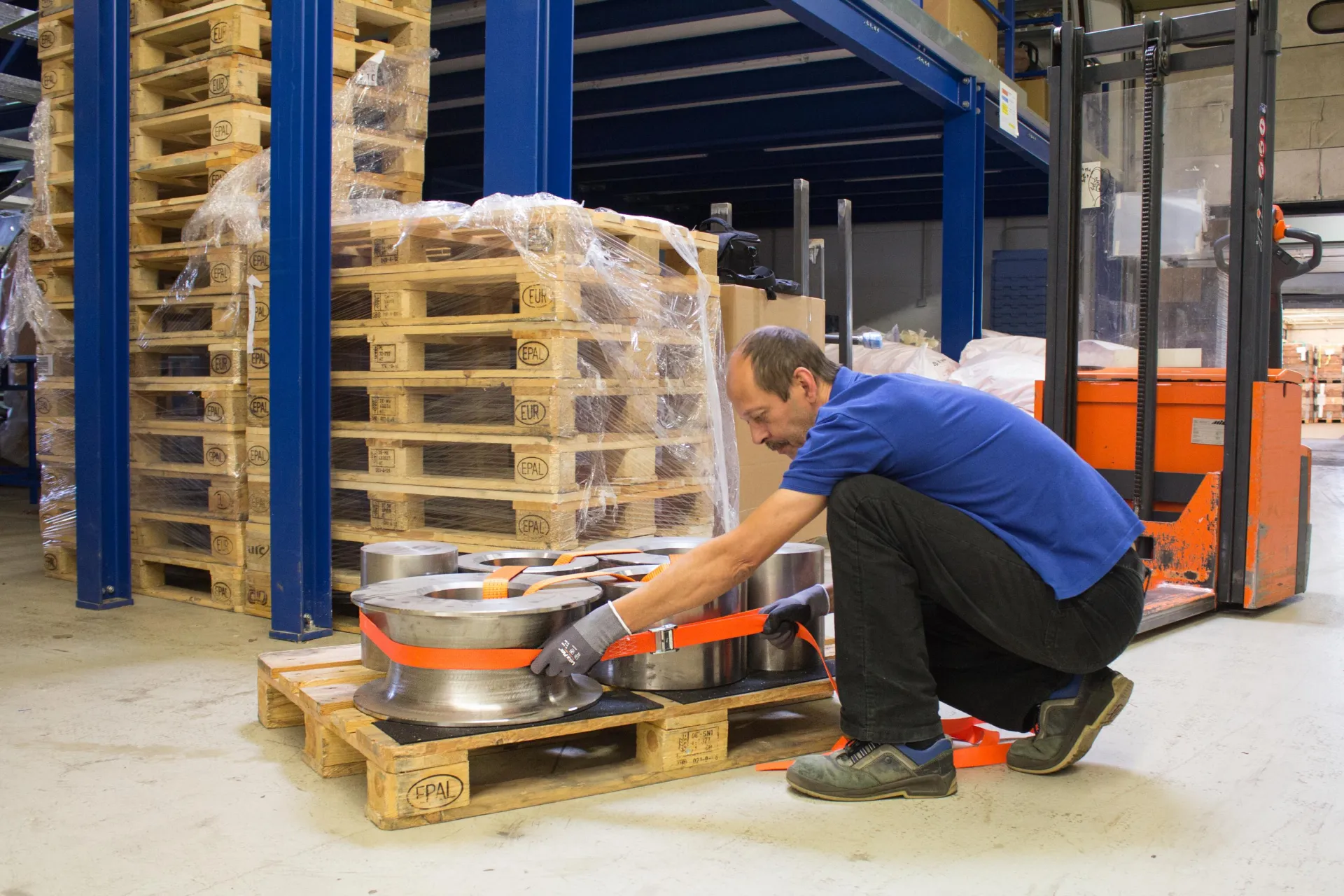
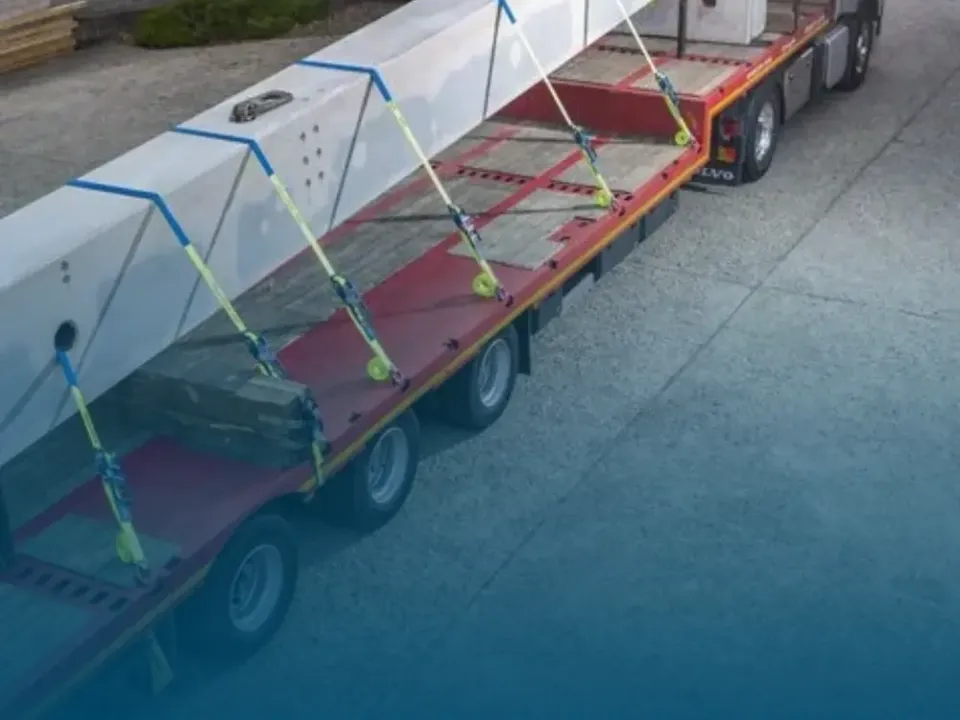
Relies on friction force generated by pre-tensioning the lashing over the top of the cargo, pressing the load firmly against the vehicle deck surface.

2. Diagonal Lashing

A direct lashing method by attaching the lashing to designated strong points on both the cargo and the transport unit to restrain movement in all directions.

3. Webbing & Tensioners

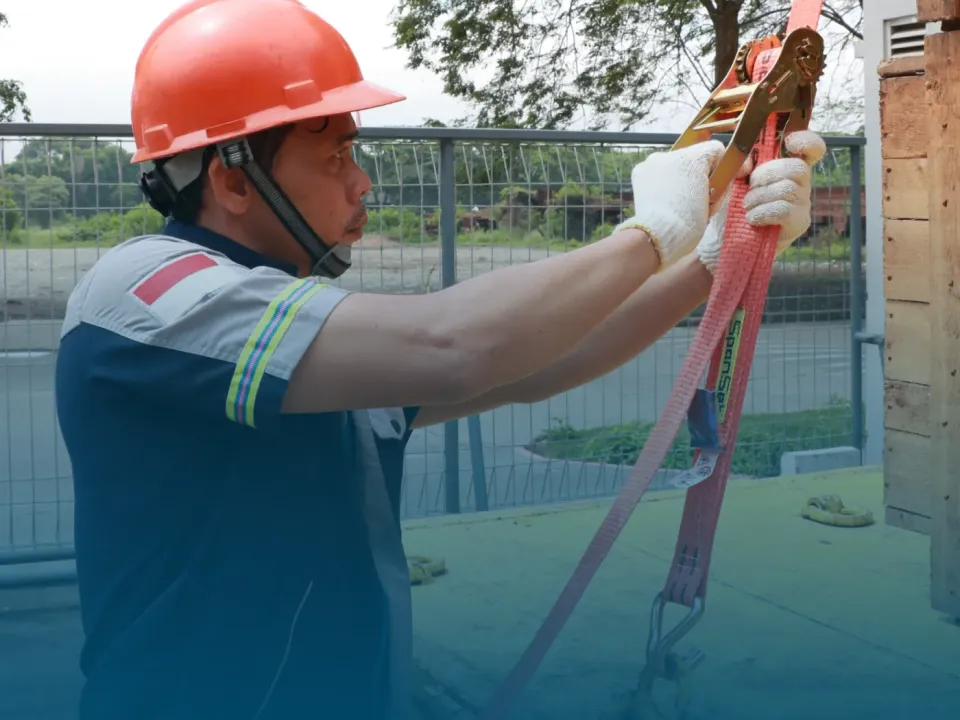
Proper selection, inspection, and correct use of synthetic webbing and mechanical ratchet tensioners to ensure optimal cargo securement.

Application Categories

Explore a specialized curriculum tailored to different load weight classes, cargo characteristics, and specific transport vehicle requirements.

Heavy Duty

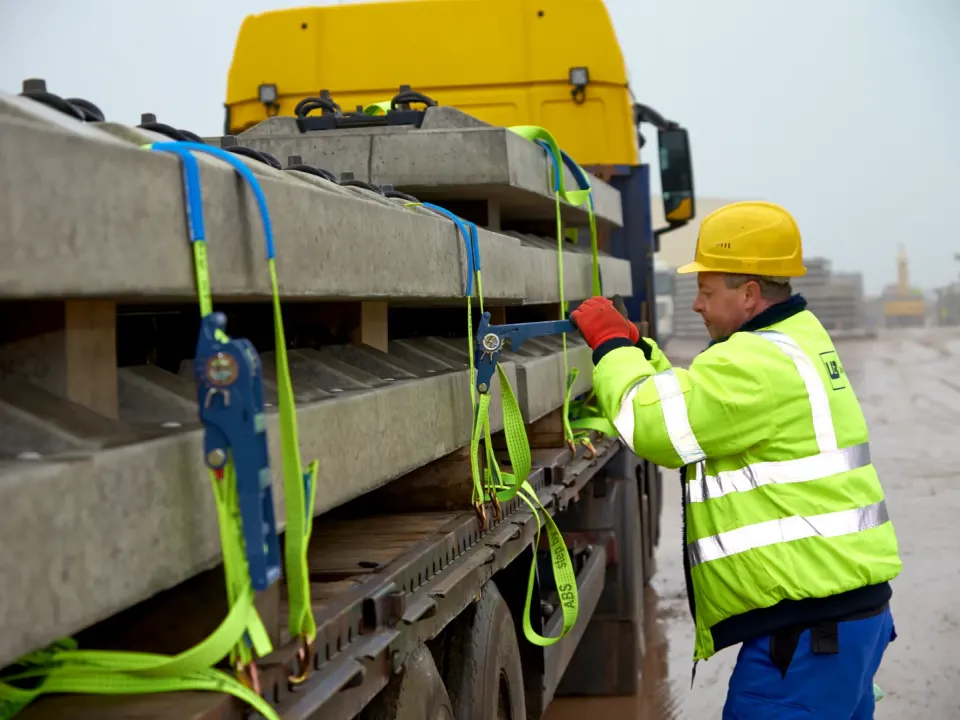
Industrial machinery, construction materials, and oversized loads. Commonly transported using flatbeds, low loaders, and specialized heavy haulage vehicles.

View Products

Medium Duty

Palletized goods, consumer products, and commercial equipment. Typically secured in tautliners, box trailers, and standard commercial trucks.

View Products

Light Duty

Courier packages, light tools, and small household cargo. Commonly transported using commercial vans, pickup trucks, and light utility trailers.
View Products

Why Is Load Control / Lashing Training Important?

1. Prevents Load Shifting During Transportation

Proper securing techniques prevent cargo from shifting, tipping, or falling due to sudden braking, cornering, and road vibrations.

2. Mengurangi Risiko Kecelakaan & Kerusakan Barang

Muatan yang tidak diamankan dengan benar dapat menyebabkan kecelakaan lalu lintas serta kerusakan material bernilai tinggi.

3. Ensures Compliance with Safety Standards & Transport Regulations

Proper load control practices help companies comply with occupational safety standards and cargo transport regulations.

4. Improves Operator Professionalism & Work Efficiency

Workers understand tie-down and diagonal lashing methods, as well as the effective use of ratchets, making operations faster, safer, and more controlled.

Alur Pendaftaran Training Lashing / Load Control / Cara Ikat

Chat with Admin

Contact our team for pricing information and complete training details.

Registration

Complete the online registration form using the link provided.

Invoice

Our admin will issue an invoice as the basis for payment.

Training

Participants are ready to attend the training as scheduled.

Essential Lashing Equipment

1. Ratchet Lashing

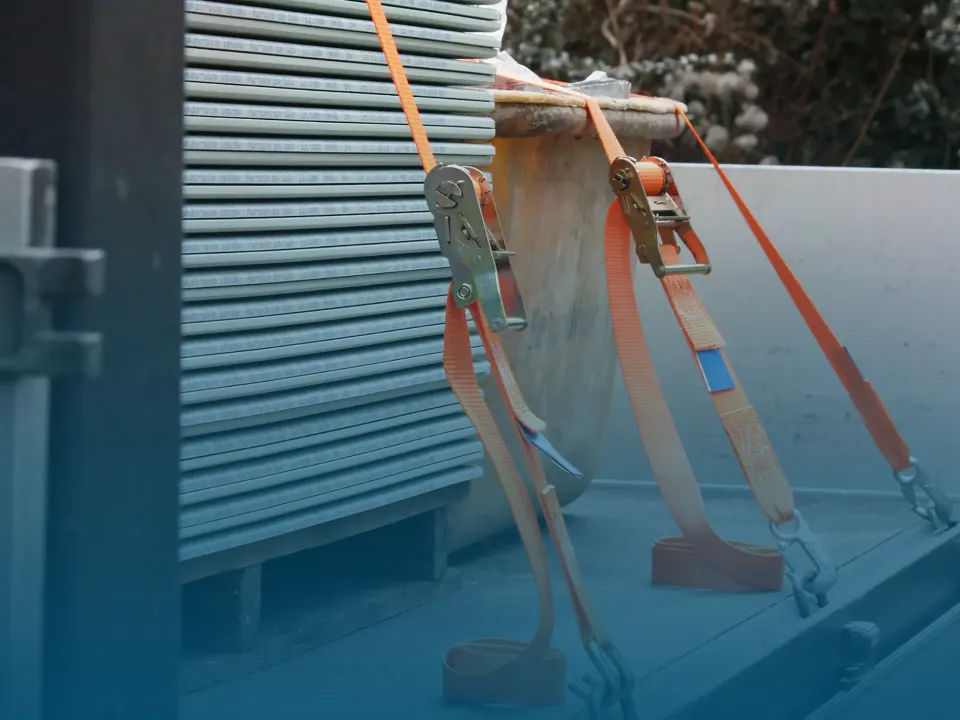
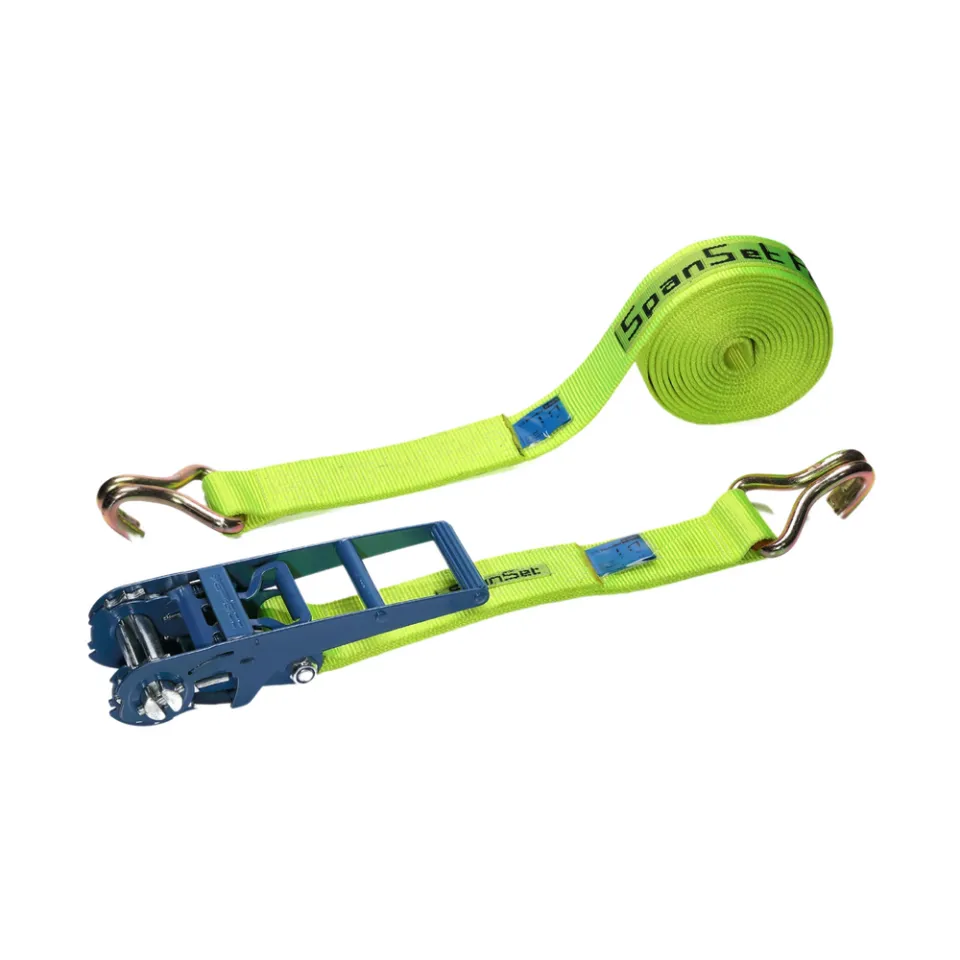
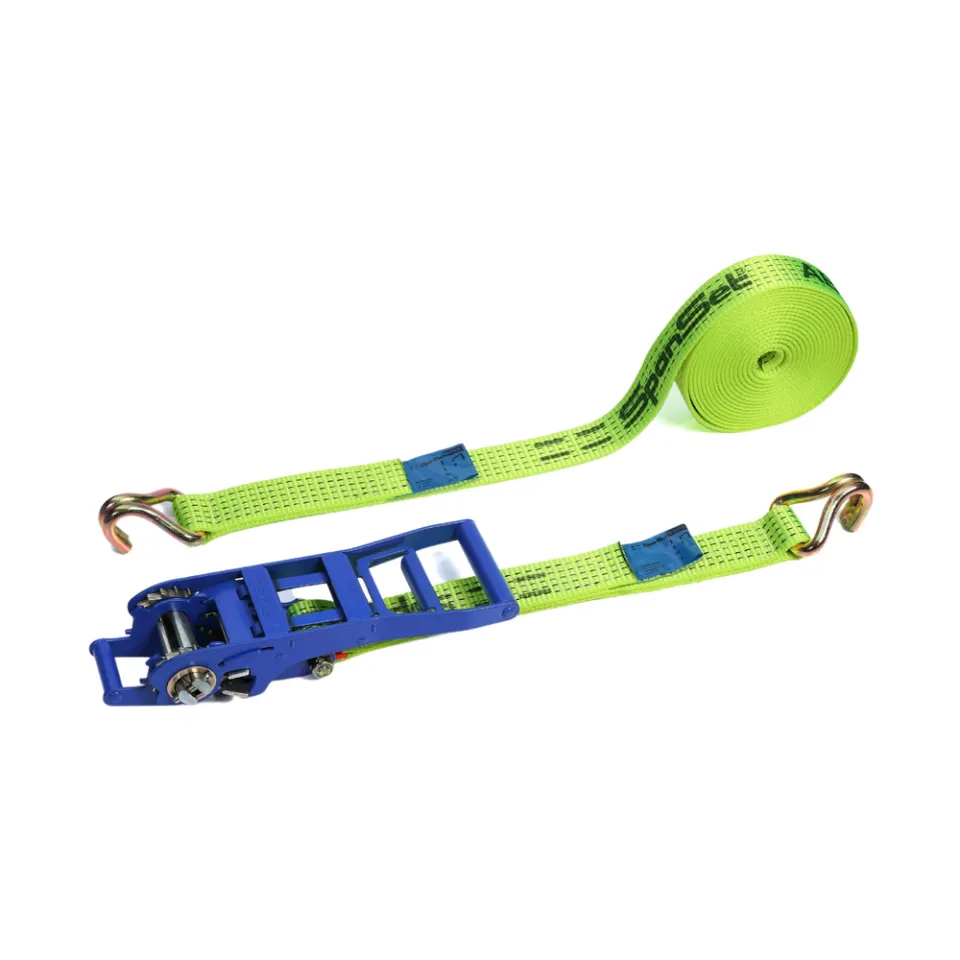
Webbing lashing with a ratchet mechanism to generate strong pre-tension, pressing the cargo securely against the vehicle deck.

3. Lashing Protection

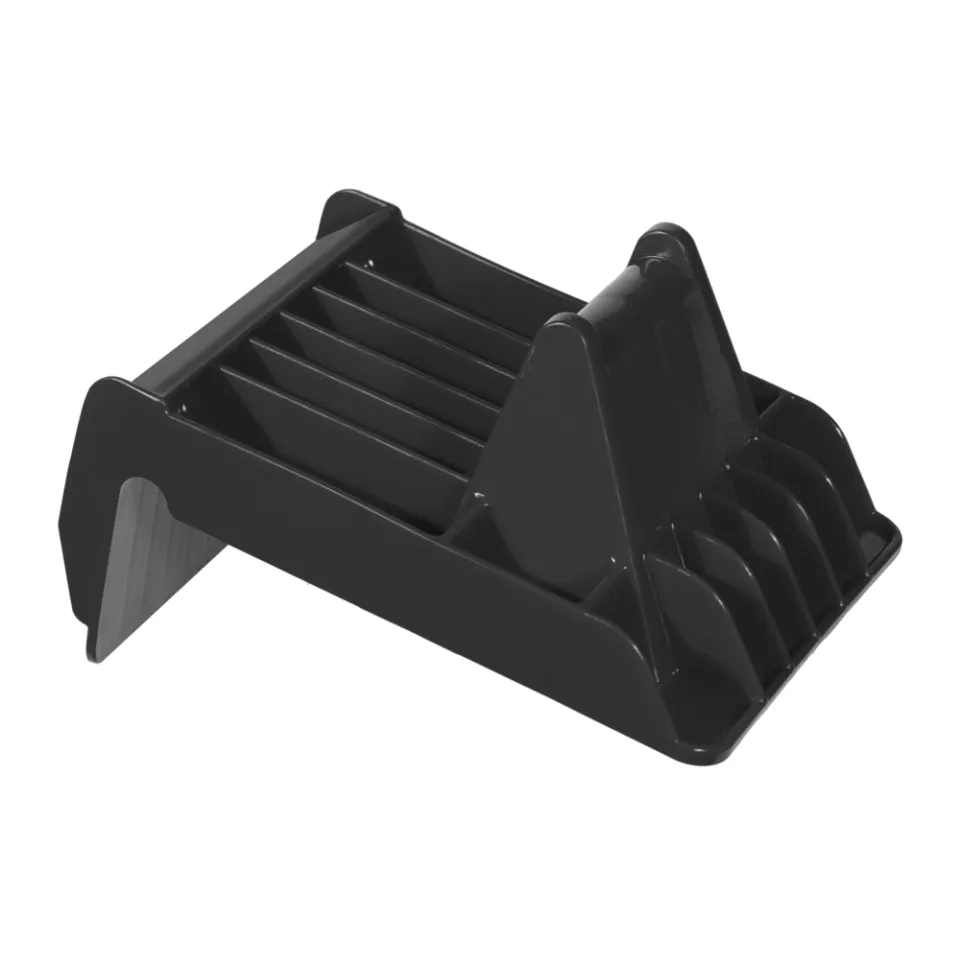
Corner protectors and sleeves used to prevent webbing damage caused by contact with sharp cargo edges.

2. Anti-Slip Mat

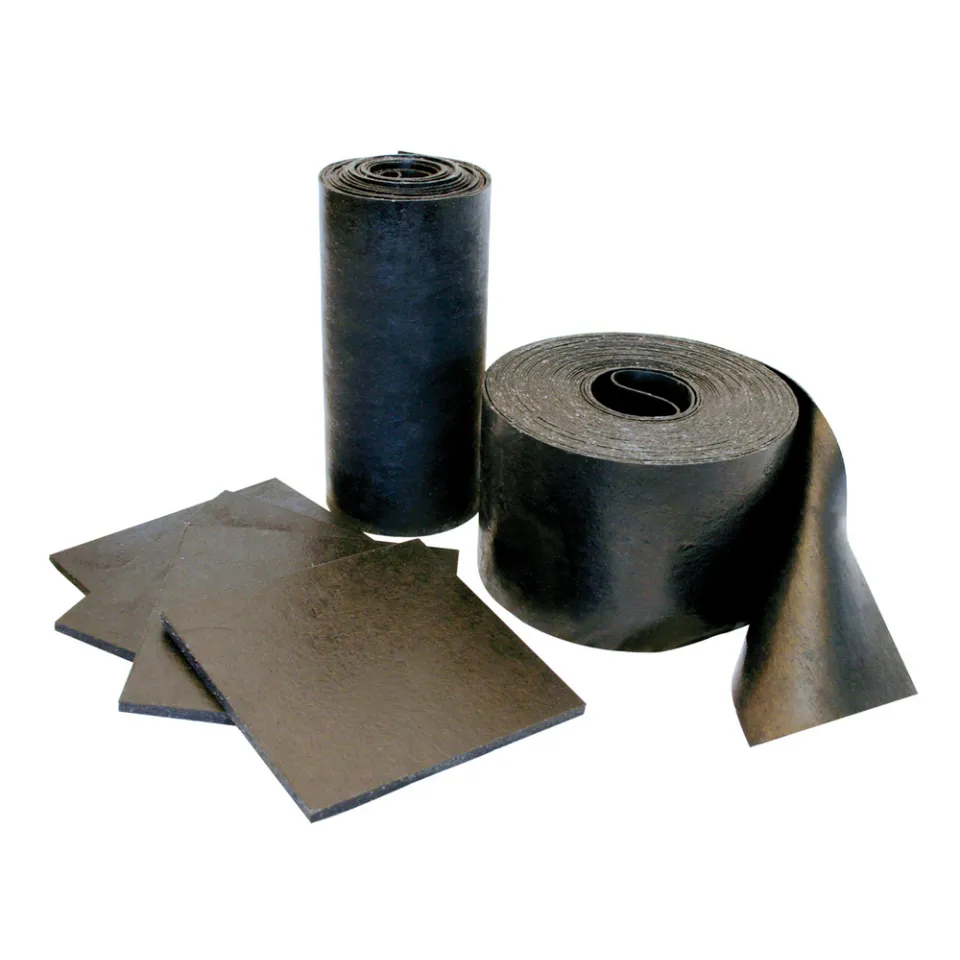
Special rubber mat designed to increase friction between the cargo and the vehicle floor, reducing the risk of load shifting.

4. Other Accessories

Includes edge protectors, tension meters, and other supporting tools to ensure safer and more effective cargo securing.

What Will You Learn in the Lashing / Load Securing Training?

Prinsip Fisika dan Gaya pada Beban

Metode Pengikatan (Lashing Methods)

Spesifikasi dan Inspeksi Peralatan

Perencanaan dan Kalkulasi Beban

Articles on Lashing & Load Control

Work Equipment Inspection

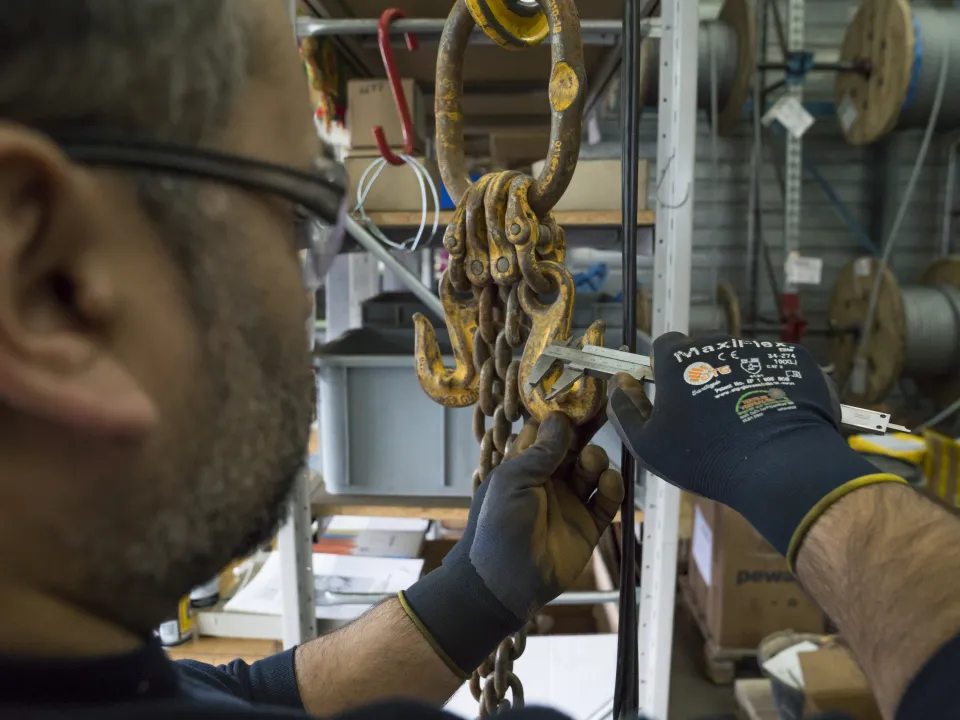
_"Still usable"_ _When this magic phrase is spoken, INSPECTION is often neglected_ Work equipment plays a crucial role in supporting...
Load Control Education

Berbagi dengan Sopir Truk Kekhawatiran kami atas keselamatan jauh melampaui dari sekedar memproduksi berbagai sabuk pengikat, maka kami memastikannya...

Pertanyaan Umum Seputar Pelatihan Lashing / Load Control

1. Why is Lashing training crucial for logistics companies?

Beyond life safety, improper load securing is a major cause of cargo damage and traffic accidents. This training helps companies comply with international and national transport safety regulations while minimizing the risk of insurance claims being rejected due to technical negligence in load securing.

2. What is the fundamental difference between lifting and lashing equipment?

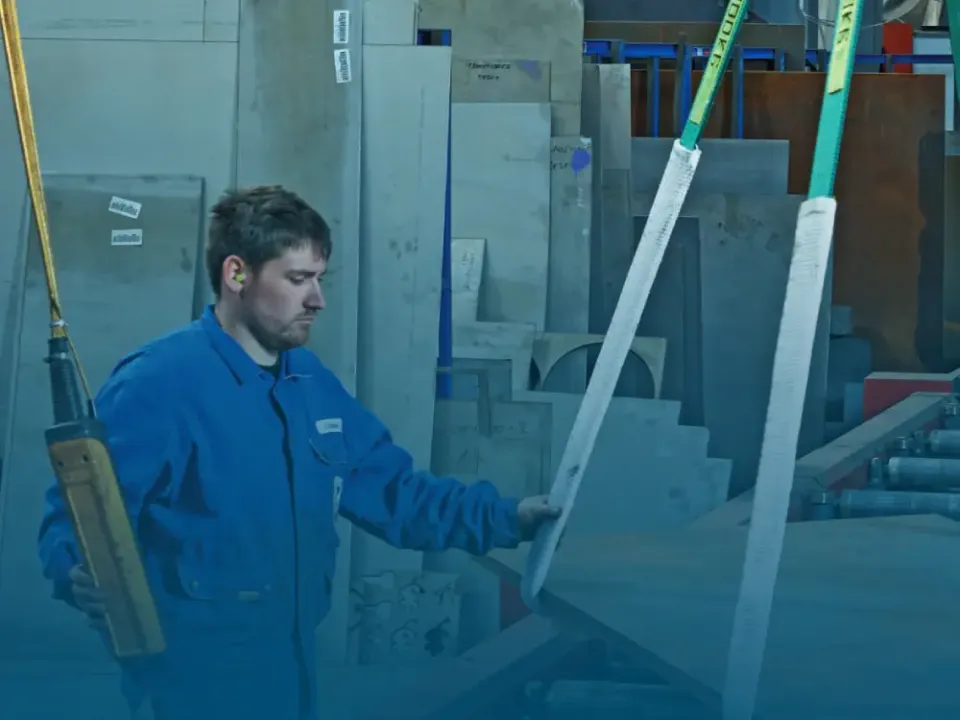
Lifting equipment is designed to withstand vertical shock loads, while lashing equipment is intended to resist horizontal inertial forces during transport. This training explains why lifting webbing slings must not be used for load securing, as their material elongation characteristics are significantly different.

3. Which international standard is used in this training?

The training curriculum is based on EN 12195 (Load Restraint on Road Vehicles) as the global reference for calculating securing forces. Participants learn how to accurately calculate Lashing Capacity (LC) and Standard Tension Force (STF), not just apply practical methods in the field.

4. Does this training include calculations for the number of lashings required?

Yes. A core part of the course covers calculations based on load weight, lashing angle (α), and the friction coefficient of the vehicle floor. Participants are trained to determine the required number of lashings efficiently without compromising safety.

5. When is lashing equipment considered unfit for use?

Participants learn strict discard criteria. Even minor damage to webbing edges, rust on the ratchet mechanism, or missing capacity labels are indicators that the equipment must be immediately withdrawn from service.

6. Apakah peserta akan mendapatkan sertifikasi resmi dari SpanSet?

Peserta yang lulus evaluasi teori dan praktik akan menerima sertifikat kompetensi dari SpanSet yang diakui luas di industri manufaktur, pertambangan, dan logistik sebagai bukti standar kompetensi tinggi.

SpanSet training - Online Booking

Complete this form to arrange a training session. These trainings will make your team work better and safer. Don't wait anymore!

Register here >
 

Contact us for more information

If you need help choosing your training or if you want the most suitable training for your job, please contact us for more information.

Contact form >