Load Control

Accessories for Load Securing

Maintaining Load Safety and Stability

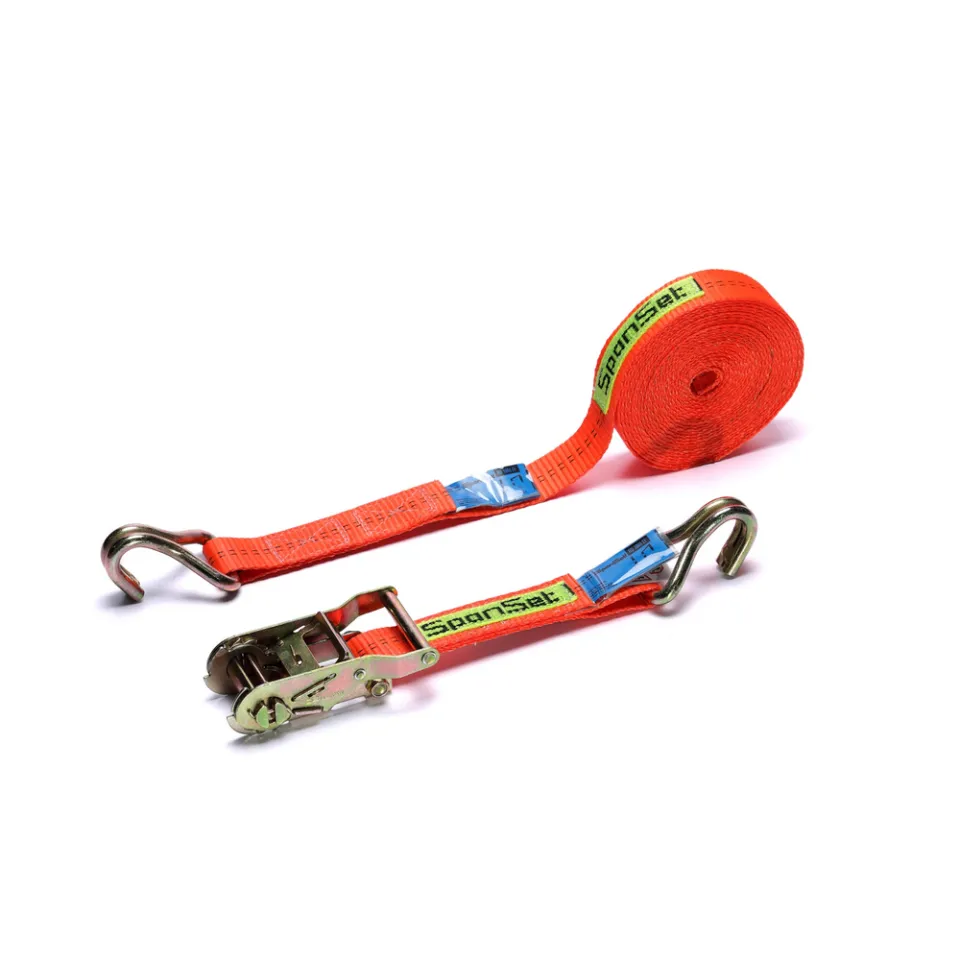
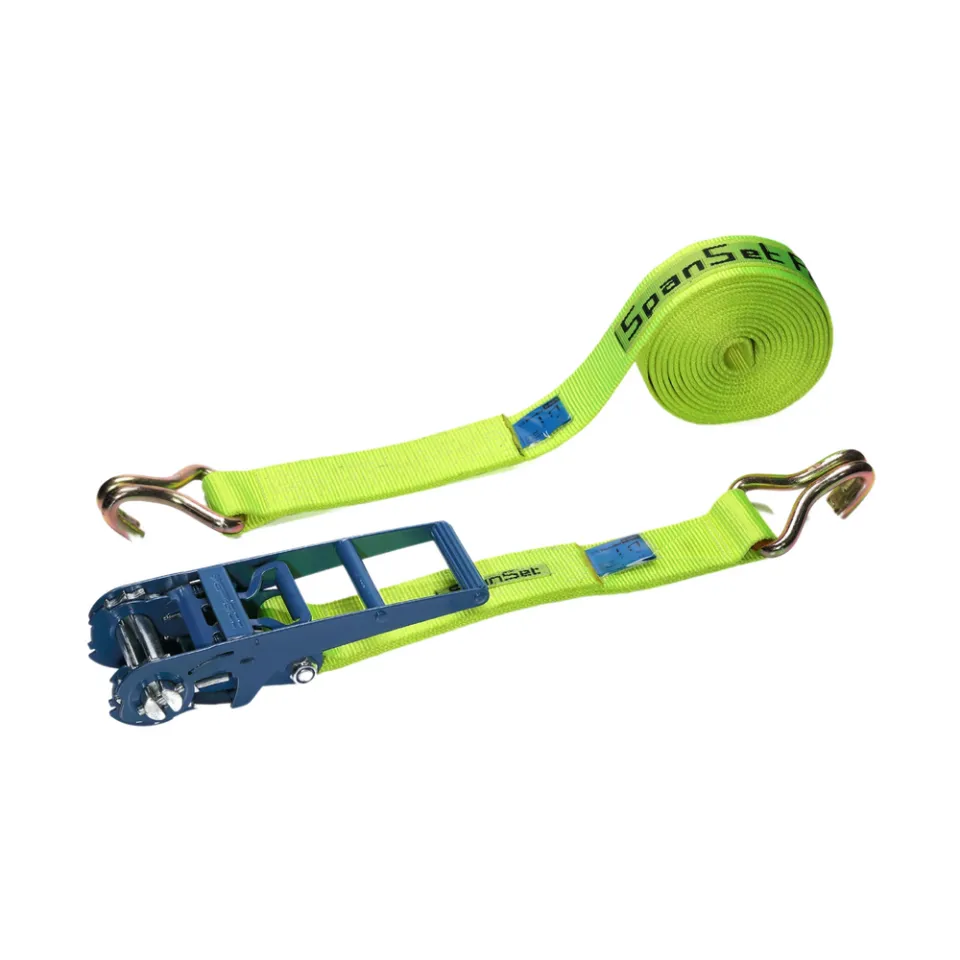
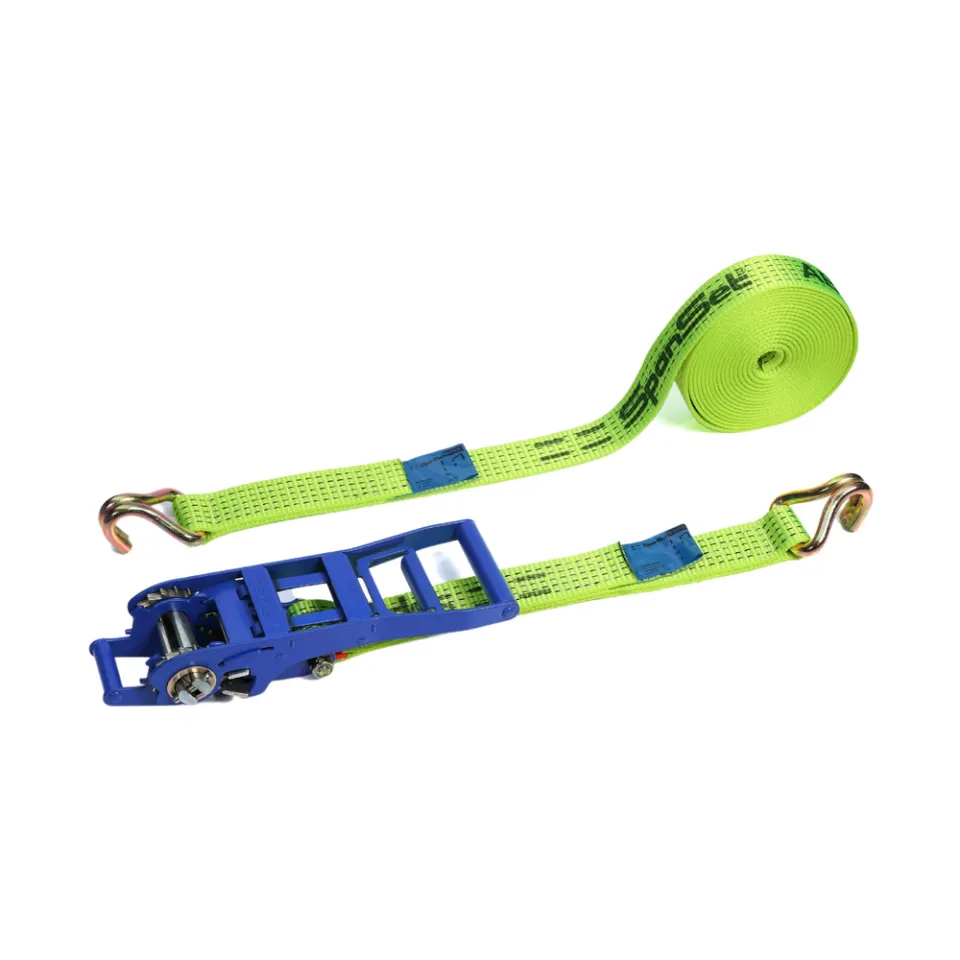
Cargo securing is a critical aspect of the logistics, land transportation, marine transportation, and warehousing industries. Without proper securing methods, the risk of loads shifting, falling, getting damaged, or even causing vehicle accidents increases significantly. To achieve optimal safety, operators use various cargo securing accessories such as hooks, carabiners, cargo nets, webbing protectors, and load binders. These accessories complement primary equipment such as ratchet lashings, webbing slings, and steel chains, creating a stronger, more stable, and safety-compliant securing system.

What Are Cargo Securing Accessories?

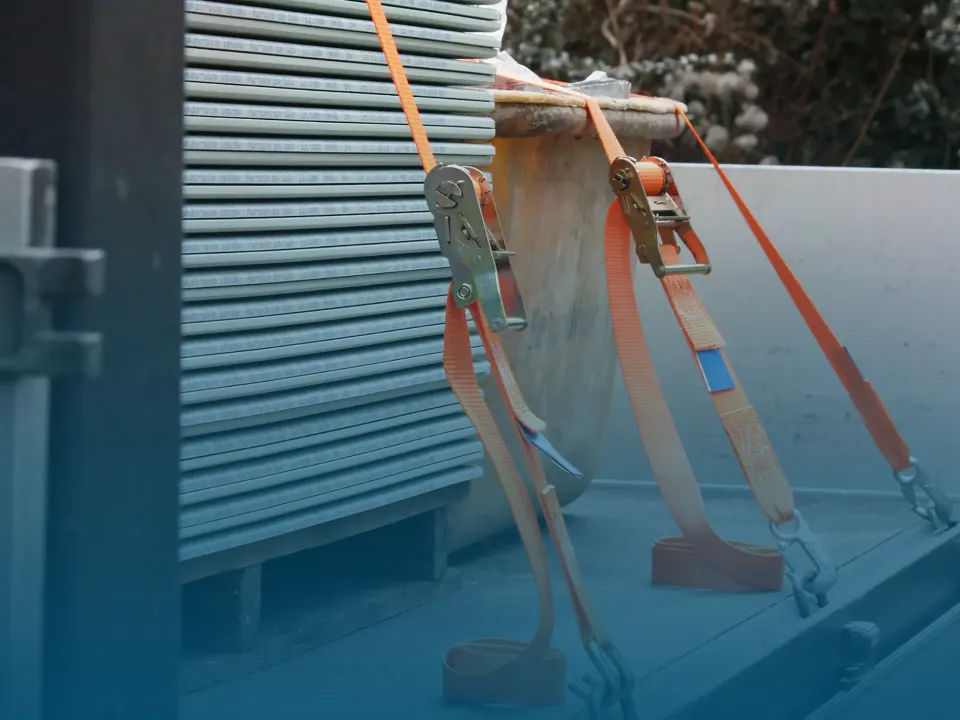
Cargo securing accessories are supporting devices designed to strengthen, stabilize, and secure loads during transport. These accessories work alongside main equipment such as ratchet lashings, webbing slings, and binding chains to create a more robust securing system. They ensure the load does not move, shift, or become displaced throughout transportation.

The Purpose of Using Securing Accessories

The main purposes of using these accessories include:

  • enhancing load stability,
  • reinforcing the securing system,
  • protecting the main securing equipment from damage,
  • improving worker and vehicle safety,
  • increasing efficiency during the securing process.

These accessories have become standard across multiple sectors such as construction, automotive, manufacturing, and container logistics.

Types of Accessories Used

Common accessories include:

  • hooks,
  • carabiners,
  • cargo nets,
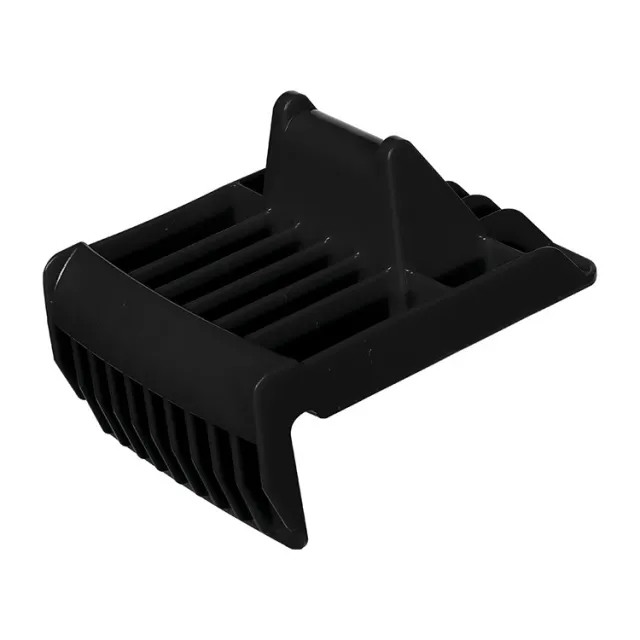
  • webbing protectors,
  • load binders,
  • tie-down straps,
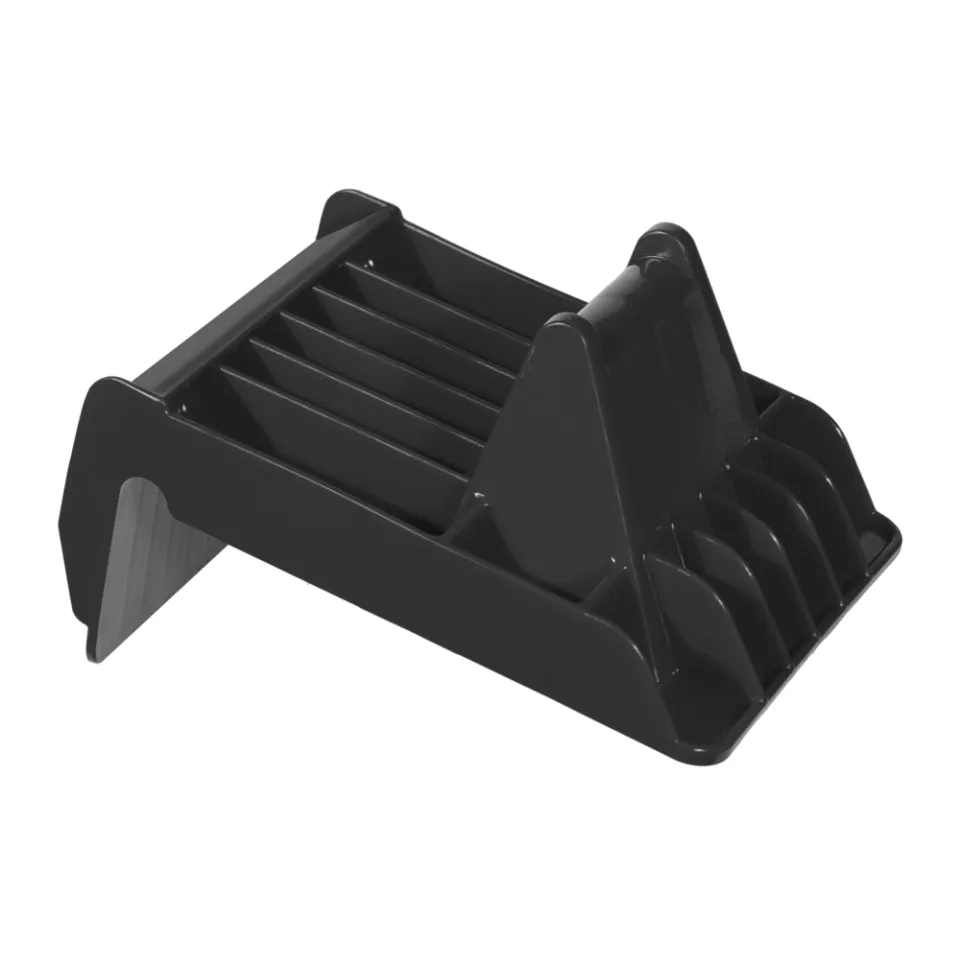
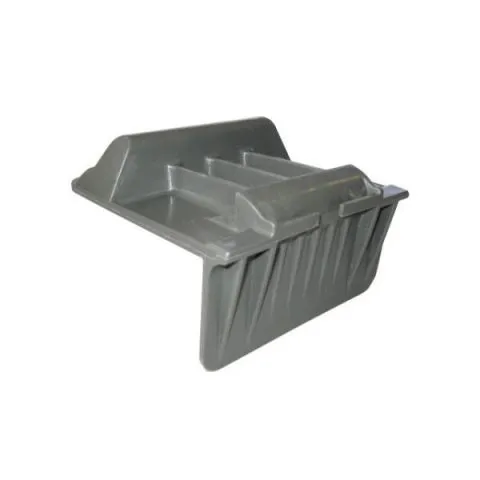
  • corner protectors.

Each accessory has a specific function depending on the type of load being secured.

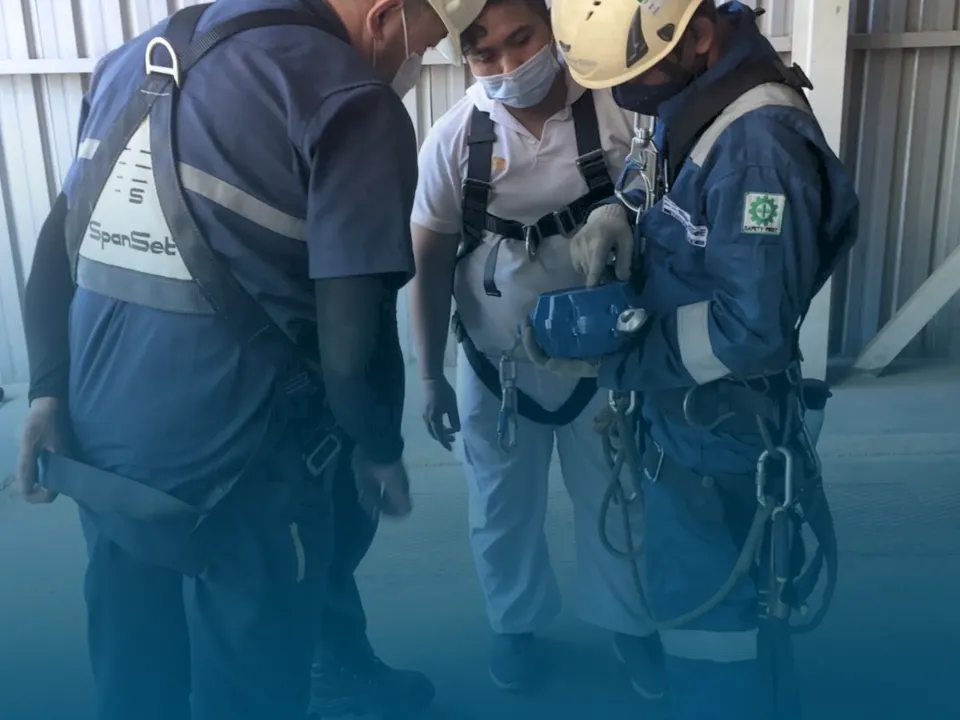
SPANSET INDONESIA TRAINING

Practical training for safety and work efficiency!

APPLY NOW

Types of Accessories for Cargo Securing

1. Hooks and Carabiners

Hooks and carabiners are two of the most commonly used accessories in load-securing systems. Both function as connectors between securing equipment such as ratchet lashings or webbing slings and the anchor points on vehicles or lifting equipment.

Functions of Hooks:

  • connecting chains, webbing, or tie-down straps,
  • providing a strong connection to anchor points,
  • ensuring the securing system stays in place while the vehicle is in motion.

Functions of Carabiners:

  • ideal for quick open-and-close applications,
  • allowing flexible securing in tight or limited spaces,
  • suitable for medium-sized loads.

Example application:
Connecting a ratchet lashing to an anchor point on a transport truck.

2. Cargo Nets

Cargo nets are mesh nets used to cover loads on open vehicles or containers. They are typically made from strong materials such as polypropylene or polyester, offering resistance to weather, abrasion, and heavy loads.

Main Functions:

  • preventing loose items from being thrown out,
  • securing irregularly shaped loads,
  • adding stability to larger or bulky loads.

Example application:
Covering building materials, boxes, or loose goods on an open truck bed.

3. Webbing Protectors

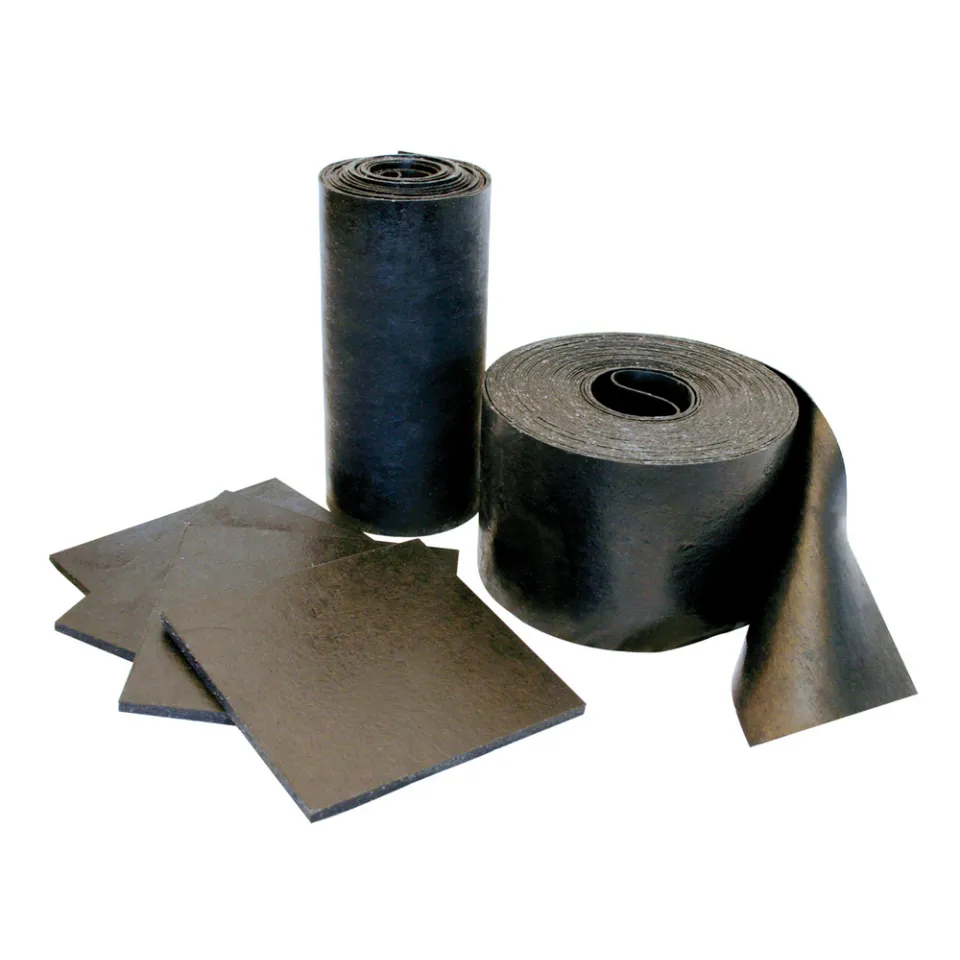
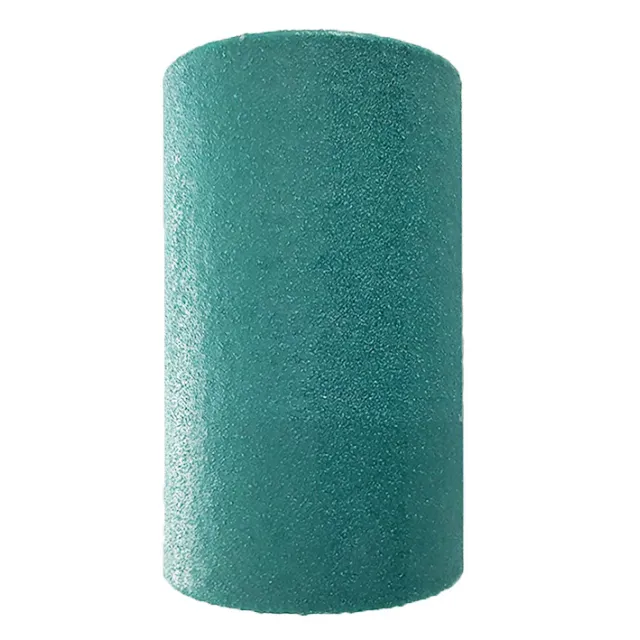
Webbing protectors are essential accessories when using webbing slings or tie-down straps. These protectors are typically made from industrial rubber, PVC, or polyurethane, which provide resistance against friction, pressure, and sharp surfaces.

Reasons to Use Webbing Protectors:

  • preventing damage caused by abrasion,
  • avoiding cuts on webbing when pressed against sharp edges,
  • extending the lifespan of securing equipment.

Example application:
Securing machinery with sharp metal edges using a webbing sling + webbing protector.

4. Load Binders

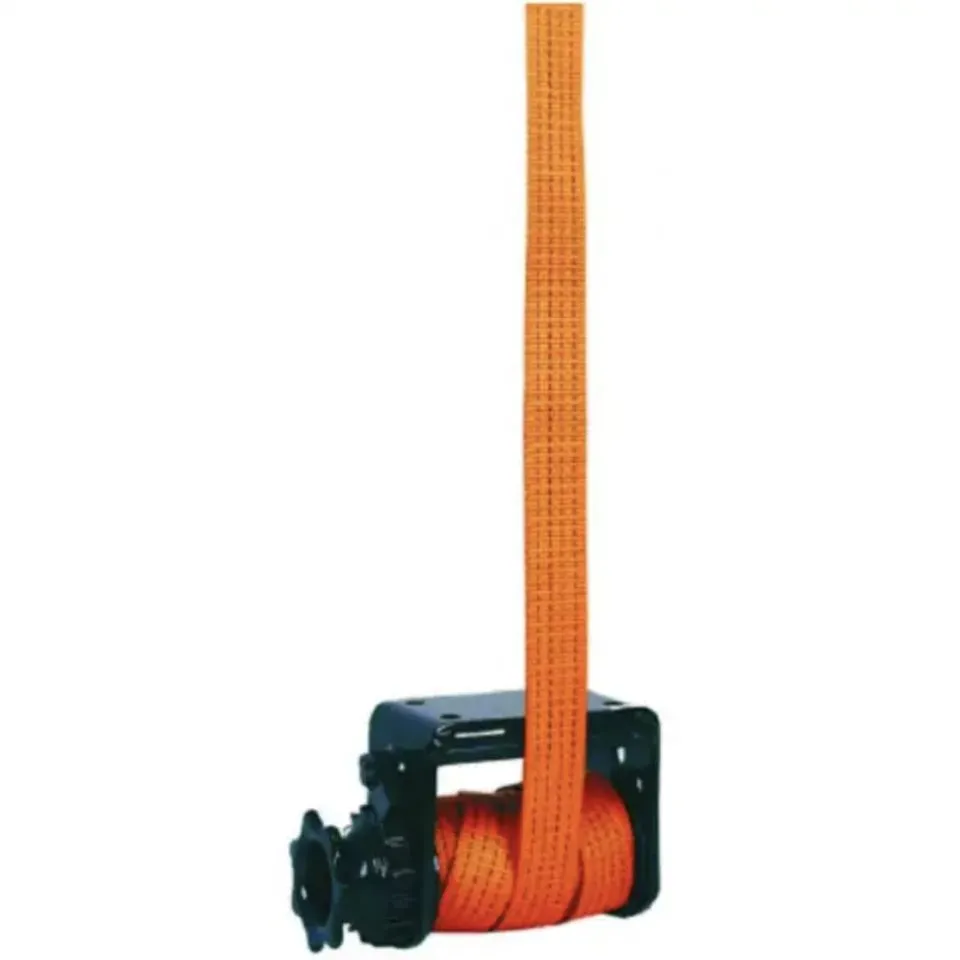
Load binders are devices used to apply additional tension to steel chains or tie-down straps.

Types of load binders:

  • lever binders,
  • ratchet binders.

Functions:

  • increasing chain tension,
  • preventing slack during transport,
  • providing additional safety for heavy loads.

Example application:
Tightening chains when transporting heavy equipment such as forklifts or excavators.

5. Tie-Down Straps and Webbing

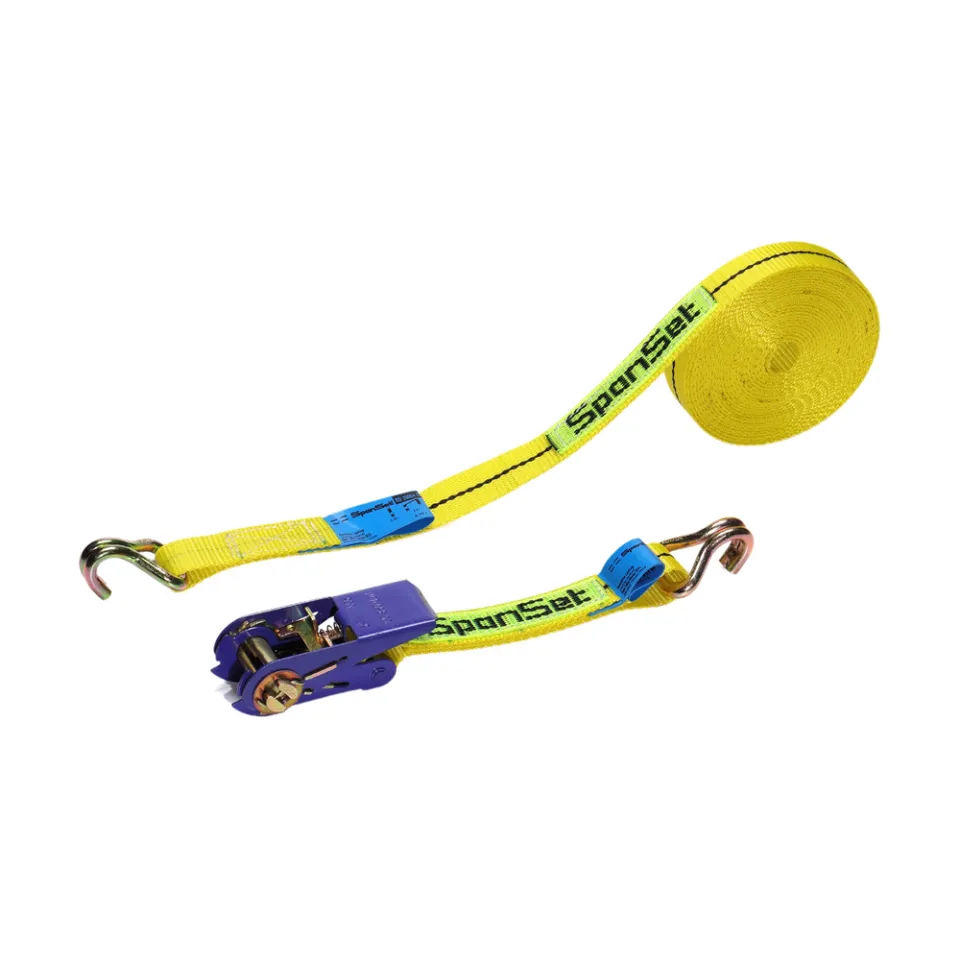
Tie-down straps and webbing slings are primary accessories in the cargo-securing category. Straps are commonly made from polyester, nylon, or polypropylene, while webbing slings offer greater flexibility and improved pressure distribution.

Advantages:

  • lightweight,
  • strong,
  • non-damaging to the surface of the cargo.

Example application:
Securing machinery, electronic equipment, or furniture using a webbing sling.

Benefits of Using Cargo Securing Accessories

1. Enhanced Load Safety and Stability

The use of hooks, carabiners, cargo nets, and load binders significantly improves safety by ensuring the load remains stable, especially during sudden braking or maneuvering. These accessories help reduce the risk of loads:

  • shifting,
  • falling,
  • damaging other cargo inside the vehicle.

Real-world benefit:
Using cargo nets on construction materials can reduce spillage risks by up to 80%.

2. Extending the Lifespan of Securing Equipment

Accessories such as webbing protectors help maintain the physical condition of webbing slings. Without protection, friction and contact with sharp edges can reduce webbing strength by up to 50%.

Using protectors helps:

  • reduce wear,
  • prevent internal fiber damage,
  • extend the service life of securing equipment for years.

3. Improved Securing Efficiency

Accessories like load binders speed up the tensioning process for chains, while carabiners allow quick securing without the need for knots.

Benefits:
The securing process becomes:

  • faster,
  • more precise,
  • safer.

Choosing the Right Cargo Securing Accessories

Selecting the right cargo securing accessories determines the overall level of safety during transport. Each type of load has different characteristics, so the supporting equipment used must be technically compatible with the working load, load material, work environment, and type of transport vehicle.

1. Match the Accessories to the Type and Weight of the Load

The type and weight of the load are primary factors in determining which securing accessories should be used. The securing system must have a Working Load Limit (WLL) higher than the actual load weight to ensure safety.

2. Basic guidelines for selecting accessories based on the load:

  • Heavy loads → use steel chains, Grade 80 hooks, load binders, or ratchet binders.
  • Sensitive loads → use webbing slings, webbing protectors, and soft slings.
  • Irregular loads → use cargo nets, polypropylene rope, or mesh covers.

Example application:
For transporting electronic equipment, it is safer to use a webbing sling + webbing protector as the surface does not damage the device casing.

3. Pay Attention to Strength and Quality

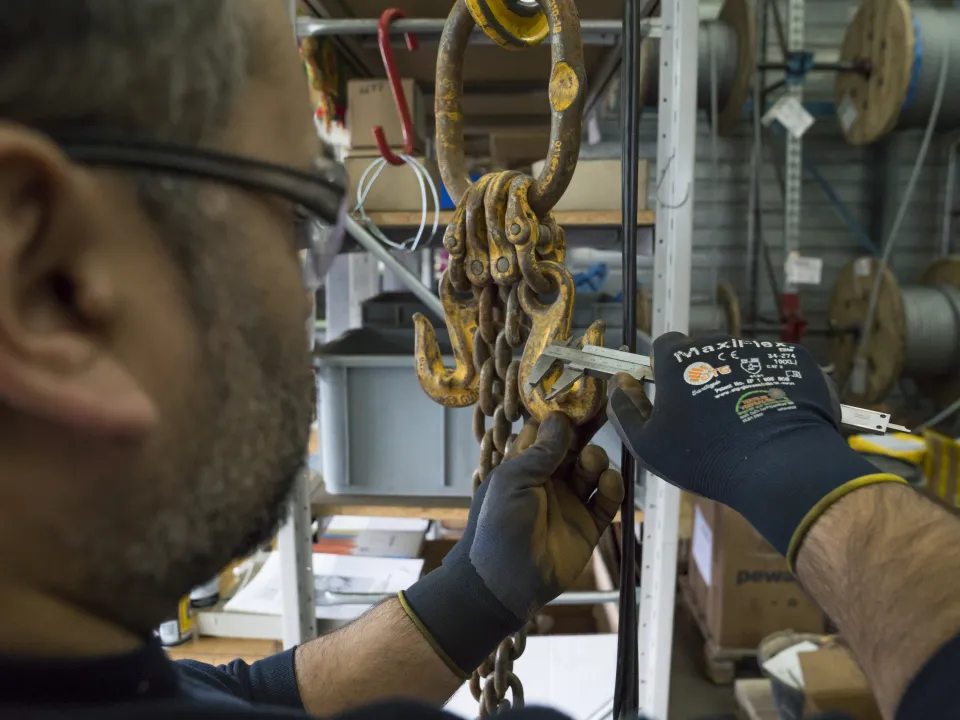
Every securing accessory must meet specific technical standards. In the logistics industry, accessory quality is a critical factor in preventing securing failures.

4. Key quality factors to consider:

  • Material type (polyester, nylon, alloy steel)
  • Quality certifications such as SNI, ISO 4878, EN 12195
  • Resistance to abrasion and weather conditions
  • Minimum breaking strength

Non-certified accessories pose fatal risks, such as breaking during transport.

5. Ensure Compatibility with Main Equipment

Accessories must not be used randomly. Each main securing tool—such as ratchet lashings, webbing slings, and binding chains—has compatible accessory types.

Examples:

  • Binding chains → must be paired with Grade 80 or Grade 100 hooks
  • Webbing slings → should be paired with corner protectors + webbing protectors
  • Ratchet lashings → compatible with carabiners, end fittings, and chassis hooks

Using incompatible equipment leads to uneven load distribution and increases the risk of failure.

6. Consider the Transport Environment

Environmental factors such as heat, rain, marine air, and chemical exposure affect the durability of cargo securing accessories.

7. Recommendations based on environmental conditions:

  • Humid or marine environments: use galvanized steel chains, corrosion-resistant hooks, and polyester webbing.
  • High-temperature environments: use high-grade steel chains, as webbing slings have a maximum temperature limit of approximately 100°C.
  • Chemical industry environments: use chemical-resistant webbing, PVC protectors, or coated slings.

Example application:
In port areas, it is better to use galvanized steel chains due to high corrosion levels caused by sea-air salinity.

The Importance of Load Securing Accessories for Safe Transportation

Load securing accessories play a critical role in improving the safety of land, sea, and air transportation. Without proper supporting accessories, main equipment such as ratchet lashing or webbing slings cannot deliver optimal performance.

1. Reducing the Risk of Transportation Accidents

Industry logistics statistics show that 45% of truck accidents are caused by improperly secured cargo. Load securing accessories help keep cargo stable even during:

  • sudden braking,
  • sharp turns,
  • vehicle vibration,
  • rough or bumpy roads.

With the right accessories, the risk of cargo shifting or falling can be reduced by more than 70%.

2. Protecting Goods from Damage

Accessories such as webbing protectors and cargo nets provide an additional layer of safety to protect sensitive loads such as:

  • glass,
  • electronics,
  • fragile items,
  • fine-finished products,
  • precision machinery.

Without additional protection, these items can be damaged due to friction, impact, or vibration during transport.

3. Complying with National & International Safety Standards

Professional transportation must comply with safety standards such as:

  • SNI 8074:2020
  • ISO 1161 for container locking systems
  • EN 12195-2 for lashing equipment
  • DOT (Department of Transportation) Compliance for truck transport

Load securing accessories help companies meet these safety requirements, ensuring transportation that is safe, efficient, and legally compliant.

Conclusion

The use of load securing accessories such as hooks, carabiners, cargo nets, webbing protectors, load binders, and tie-down straps is essential to ensure safe, stable, and efficient transportation. These accessories help prevent accidents, maintain load stability, and protect goods from damage throughout the journey.

Interesting Articles

Work Equipment Inspection

_"Still usable"_ _When this magic phrase is spoken, INSPECTION is often neglected_ Work equipment plays a crucial role in supporting...


Find Us