Load Control

Cargo Securing Methods

Maintaining Cargo Safety and Stability

Cargo securing methods are designed to keep loads stable, prevent shifting, and ensure safety throughout the transportation process.

The logistics, land transport, and maritime industries rely heavily on proper securing techniques to prevent cargo damage, reduce accident risks, and ensure compliance with safety standards.

Methods such as ratchet lashing, webbing slings, and steel chains provide different levels of security depending on the type of load, weight, and operational environment.

What Is Cargo Securing?

Cargo securing is the process of tying down, stabilizing, and protecting loads using securing tools such as ratchet lashings, webbing slings, or steel chains. The goal is to ensure the load remains in the correct position to prevent shifting or tipping during transportation. These techniques are applied to transport trucks, containers, forklifts, cranes, and even cargo ships.

Why Cargo Securing Is Important

Cargo securing is important because it:

  • Reduces cargo damage
  • Ensures the safety of drivers and workers
  • Complies with transportation regulations
  • Improves operational efficiency

When loads are not properly secured, the likelihood of accidents increases by more than 60%, especially in heavy transport operations.

Common Risks If Cargo Is Not Properly Secured

The risks include:

  • Loads shifting and causing the vehicle to lose balance
  • Damage to goods such as electronics, glass, or construction materials
  • Penalties for violating transport safety standards
  • Potential traffic accidents caused by falling cargo

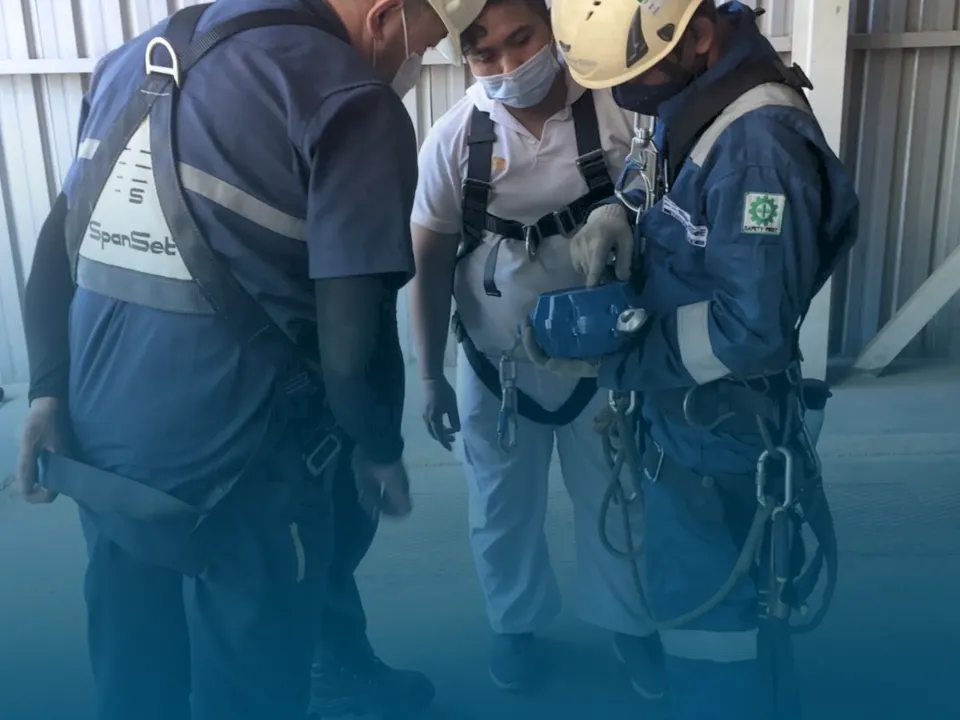
SPANSET INDONESIA TRAINING

Practical training for safety and work efficiency!

APPLY NOW

The Most Common Cargo Securing Methods

1. Securing with Ratchet Lashing

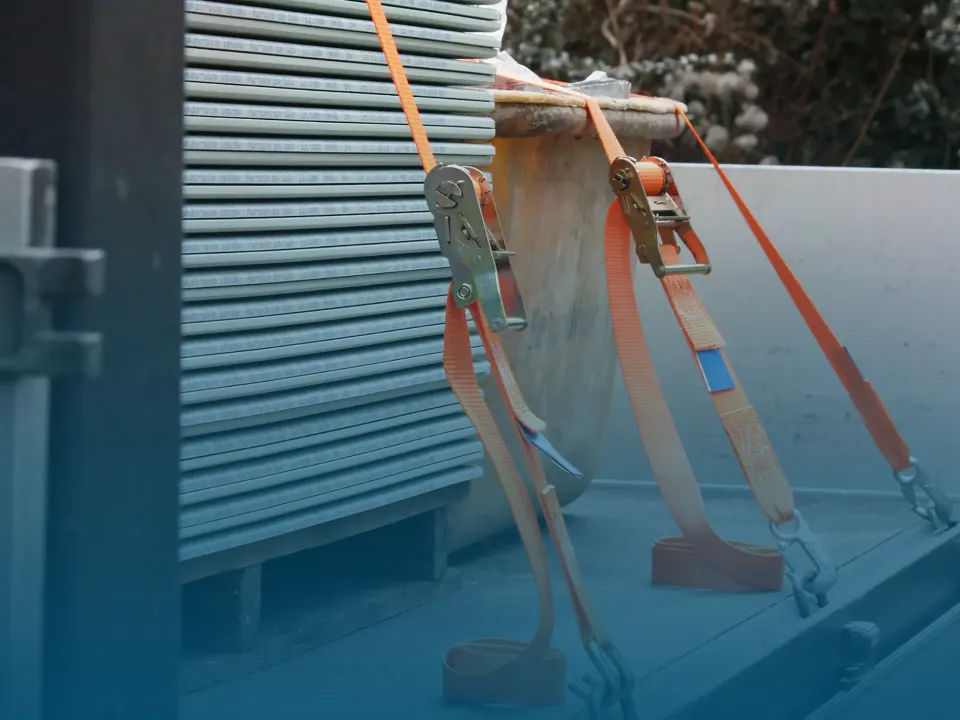
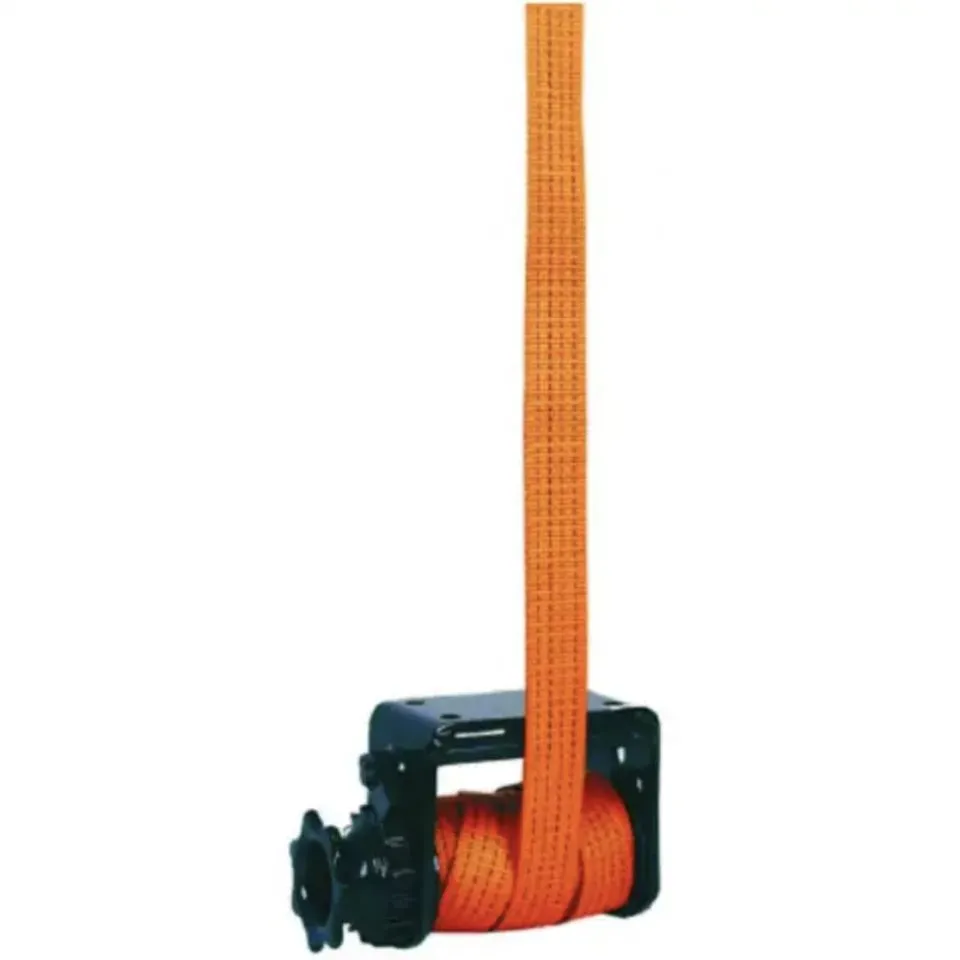
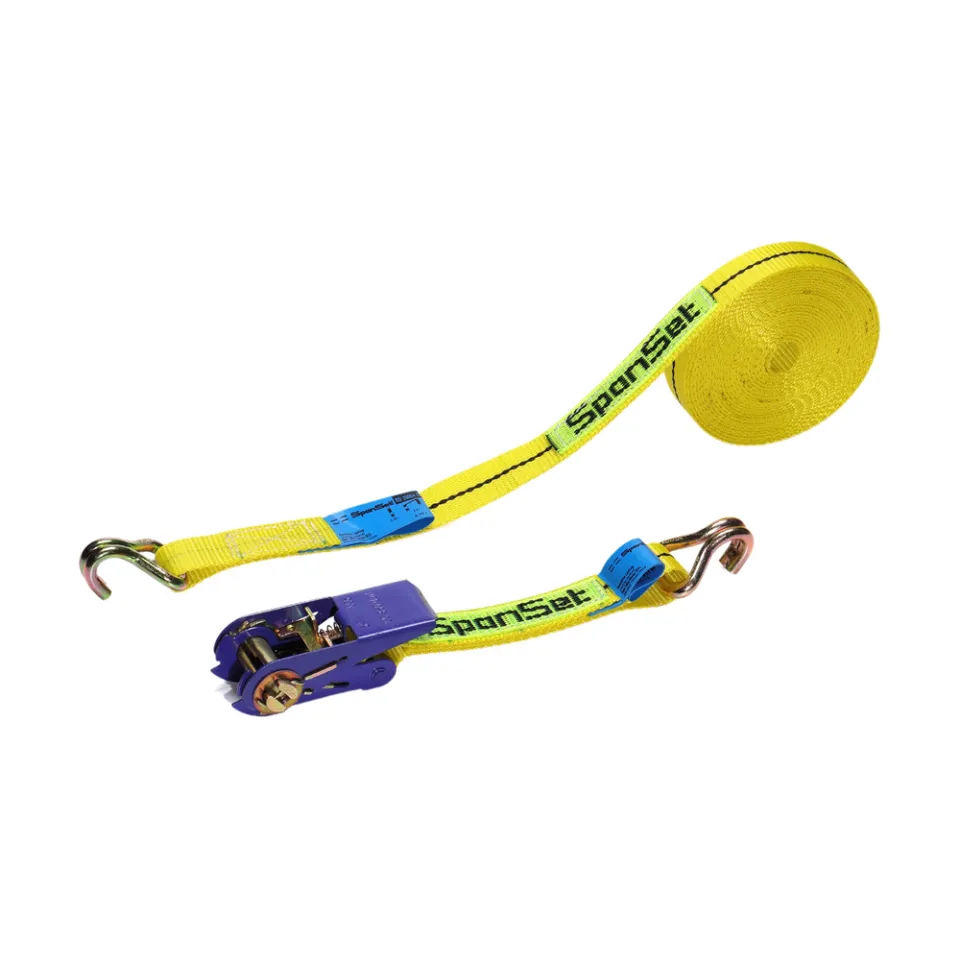
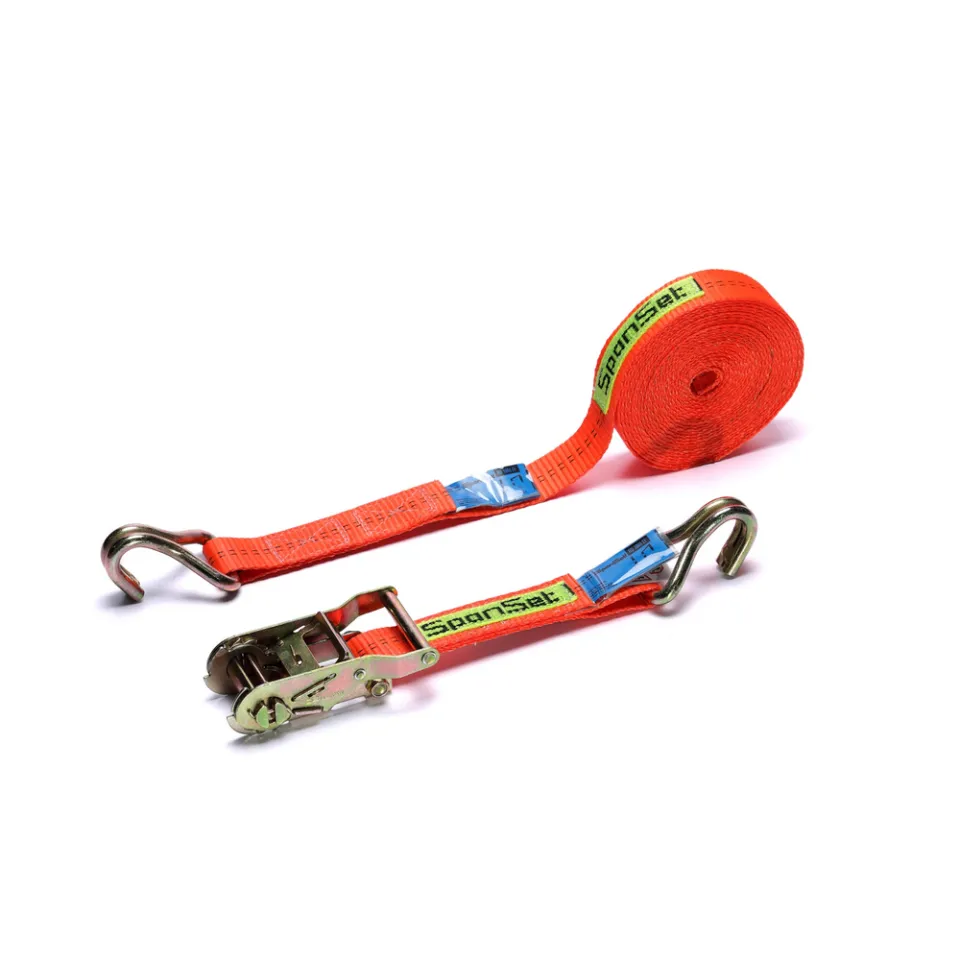
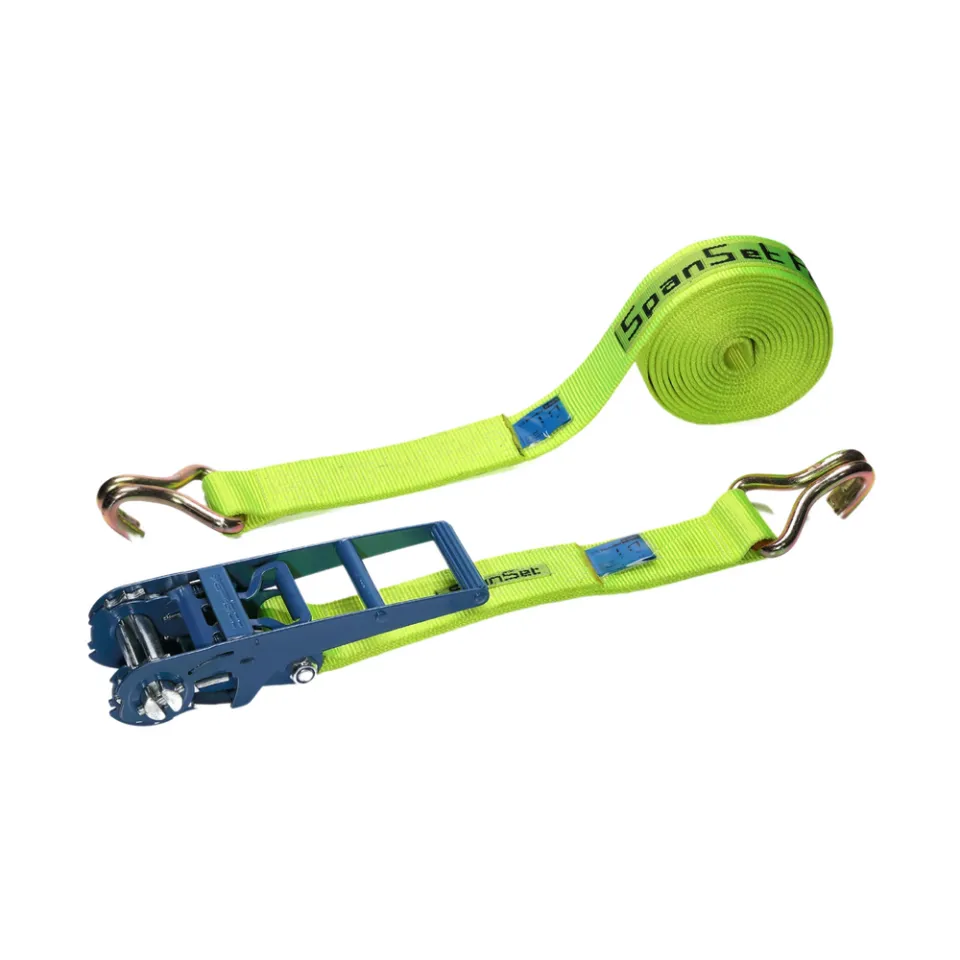
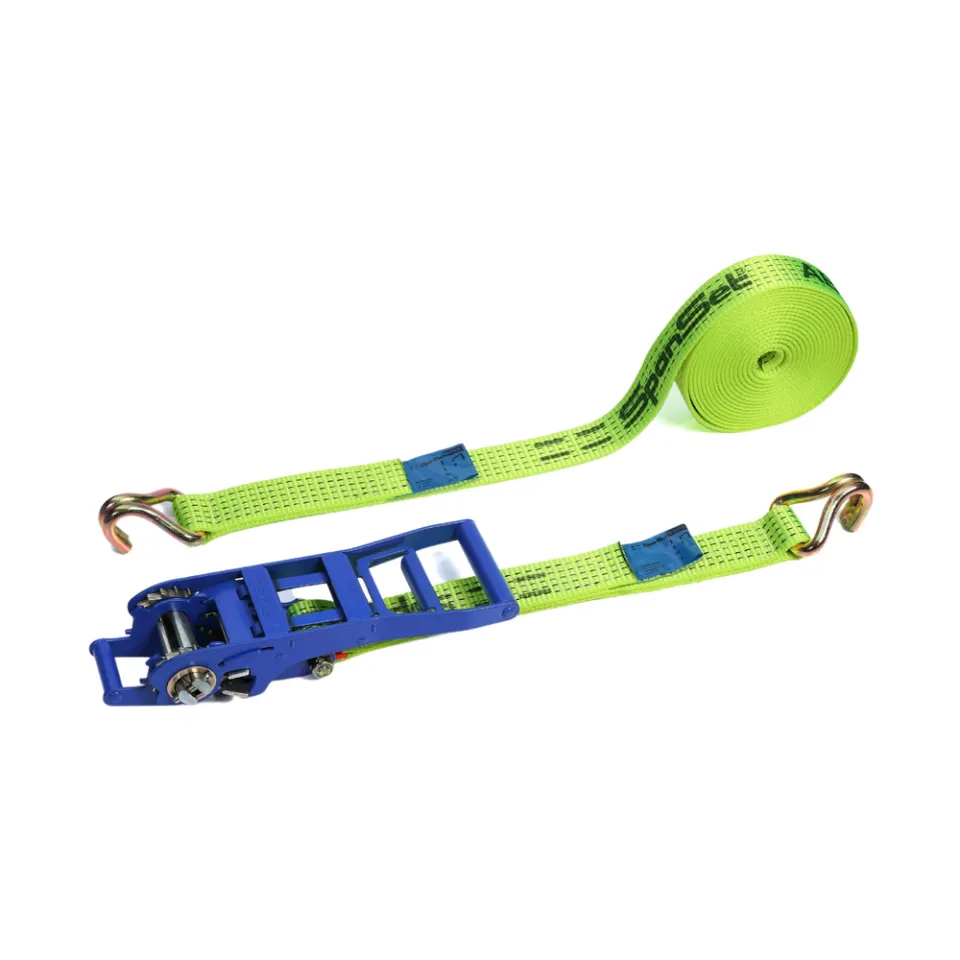
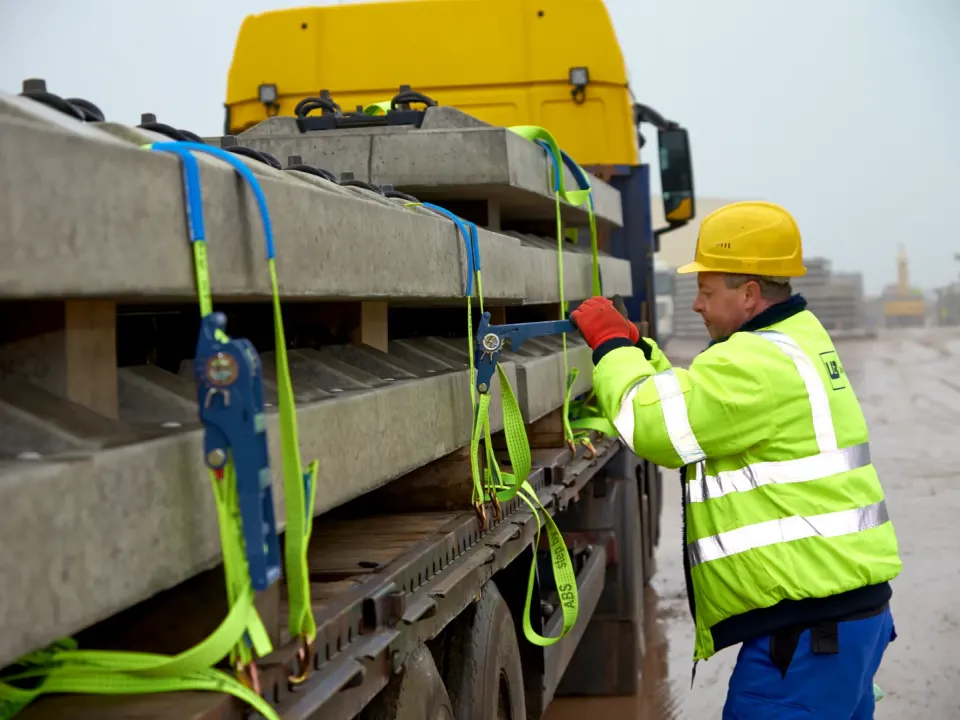
Ratchet lashing is a securing method that uses a ratchet tensioner to apply gradual tension to the webbing. The ratchet’s gear mechanism allows controlled tightening, ensuring the load receives optimal tension. This method is suitable for securing:

  • heavy equipment,
  • construction materials,
  • large containers,
  • large electronic items.

The main strength of ratchet lashing comes from the polyester webbing material, which can withstand loads of several thousand kilograms depending on its WLL (Working Load Limit) specification.

2. Using Webbing Slings for Sensitive Loads

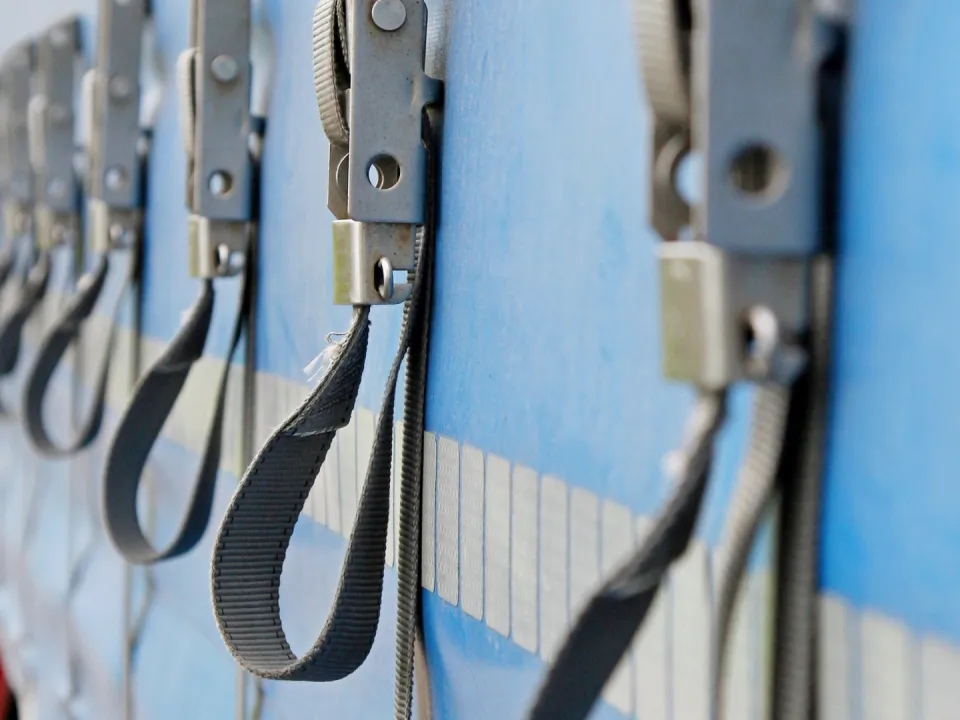
Webbing slings are synthetic lifting and securing tools made from polyester or nylon. Their flexible and smooth characteristics make them ideal for sensitive loads such as:

  • electronic machinery,
  • glass materials,
  • items with delicate surfaces.

Webbing slings do not cause scratches and can adapt to the shape of the load, allowing pressure to be distributed evenly.

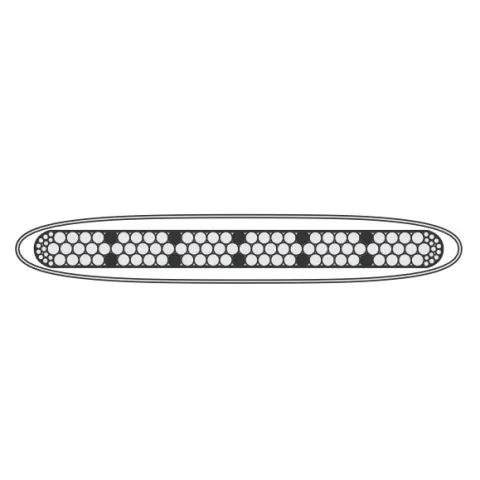
3. Securing with Steel Chains

Steel chains are used to secure extremely heavy loads such as:

  • steel structures,
  • heavy equipment,
  • large industrial machinery.

Steel chains offer high tensile strength and resistance to extreme temperatures, chemicals, and harsh working environments.

4. Proper Packing and Load Arrangement Techniques

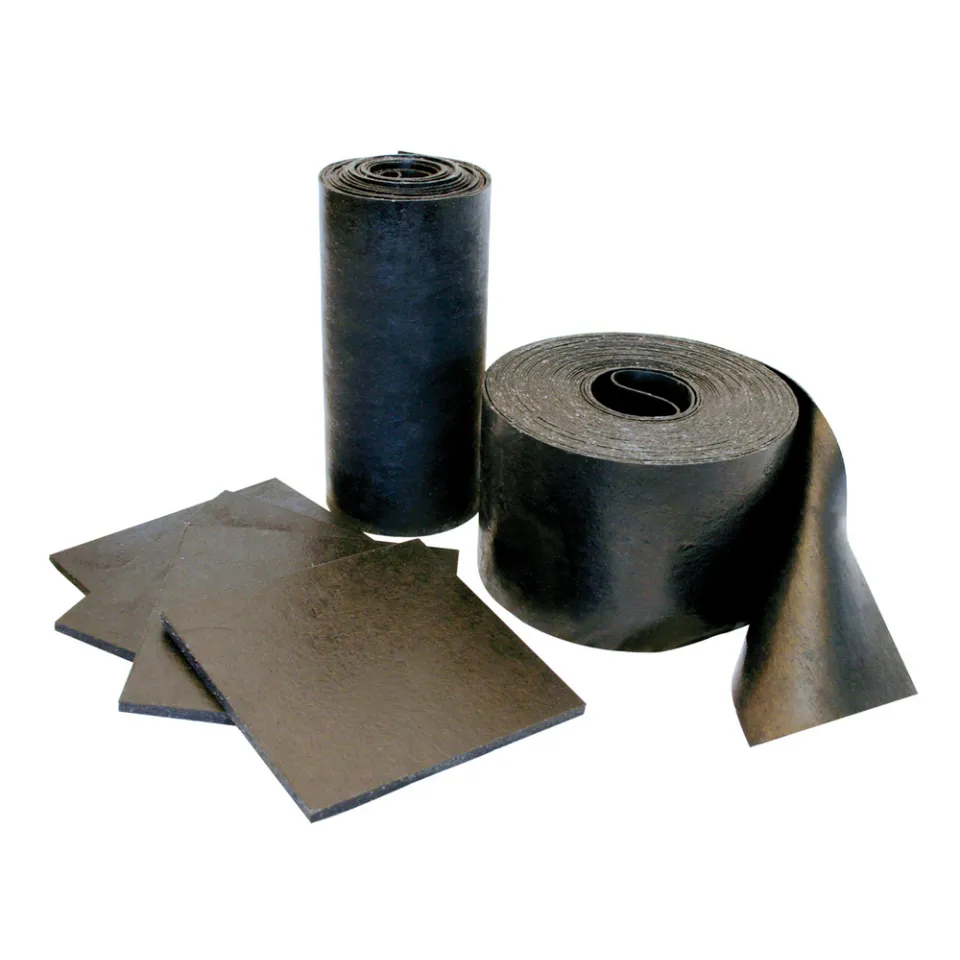
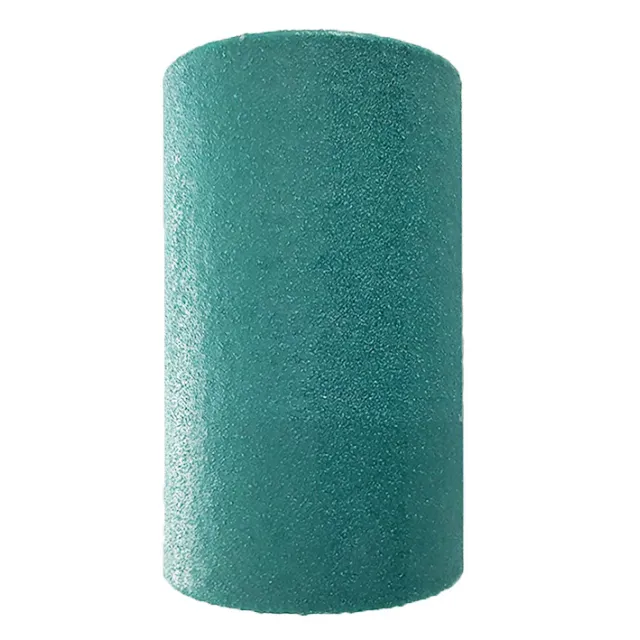
Packing is a supporting securing method that uses:

  • foam,
  • thick cardboard,
  • blocking bars,
  • dunnage bags.

Proper arrangement prevents shifting between items and maximizes stability inside a truck or container.

5. Combination Methods for Special Loads

Some loads require a combination of different techniques, such as:

  • Webbing sling + protective packing
  • Ratchet lashing + blocking bar
  • Steel chain + wooden chocks

Combined securing methods are commonly used for transporting large industrial equipment or irregularly shaped loads.

Cargo Securing Method Using Ratchet Lashing

Ratchet lashing is a securing system made of polyester webbing that is tightened using a ratchet tensioner. This system is designed to provide high, stable, and easily controlled tension. Its tensile capacity can reach 1–10 tons depending on the WLL.

How a Ratchet Tensioner Works

The ratchet tensioner operates using a gear mechanism that locks the webbing with every movement of the handle. This mechanism:

  • allows incremental tightening,
  • ensures precise tension adjustment,
  • prevents slipping or loosening.

Consistent tension is crucial for large loads that are prone to shifting.

Advantages of Ratchet Lashing Compared to Other Securing Tools

The advantages include:

  • strong yet lightweight,
  • easy to operate by a single person,
  • does not damage the surface of the cargo,
  • resistant to weather, humidity, and light abrasion.

Unlike heavy steel chains, ratchet lashing is more efficient for medium to large loads.

Applications of Ratchet Lashing in the Transportation Industry

Its applications include:

  • transporting heavy equipment,
  • securing containers on trucks,
  • shipping industrial machinery,
  • mounting cargo on flatbed trailers.

Common Mistakes When Using Ratchet Lashing

Common mistakes include:

  • using torn or worn webbing,
  • incorrectly determining the WLL,
  • failing to lock the ratchet correctly,
  • not distributing tie-down points properly.

Using Webbing Slings for Cargo Securing

Webbing slings are made from synthetic materials such as polyester (PES) or nylon (PA). These materials have the following characteristics:

  • flexible,
  • non-abrasive,
  • resistant to moisture,
  • lightweight yet strong,
  • does not damage cargo surfaces.

Compared to steel chains, webbing slings provide more even pressure distribution, making them ideal for sensitive items that require extra protection.

When to Use Webbing Slings

Webbing slings should be used when:

  • the load has a smooth surface,
  • the load is easily scratched,
  • the cargo requires soft and stable pressure,
  • a securing tool that conforms to the shape of the load is needed.

Examples of loads ideally secured with webbing slings:

  • glass materials,
  • large electronics,
  • fine-finished furniture,
  • precision machine components.

Examples of Sensitive Cargo Suitable for Webbing

The following items have a high risk of damage if secured with hard materials such as chains:

  • industrial monitors,
  • glass panels,
  • laboratory equipment,
  • automotive components with gloss finishing.

With a webbing sling, the cargo surface remains protected because the securing tool has no sharp pressure points.

How to Inspect Webbing Sling Condition

Before use, ensure the webbing sling:

  • has no tears,
  • is not severely twisted,
  • is not burned or exposed to chemicals,
  • has a readable WLL (Working Load Limit) label,
  • has undamaged reinforced stitching (eye reinforcement).

Using an unfit sling can reduce its strength by up to 50%.

Risks if Webbing Slings Are Used Incorrectly

Common mistakes include:

  • choosing a WLL lower than the load weight,
  • forcing the sling to pull from sharp angles,
  • securing the sling over unprotected metal edges,
  • failing to perform routine inspections.

Such errors can cause the sling to break, the load to fall, and lead to workplace accidents.

Securing with Steel Chains

Steel chains are used when the load is extremely heavy and requires securing equipment with maximum durability. Common applications include:

  • heavy equipment such as excavators, forklifts, loaders,
  • construction materials such as rolled steel, large pipes, steel beams,
  • large industrial machinery.

Steel chains offer the highest tensile strength among all securing methods.

Tensile Strength and Material Durability

Industrial chains come in classifications such as:

  • Grade 70,
  • Grade 80,
  • Grade 100.

Grade 100, for example, provides up to 40% greater strength than lower grades. Their durability includes resistance to:

  • high temperatures,
  • rough abrasion,
  • exposure to industrial chemicals,
  • impact and shock loads.

Types of Chains and Locking Components (Hooks, Clamps)

In a steel chain system, accessories such as:

  • clevis grab hooks,
  • sling hooks,
  • lever binders,
  • chain tensioners

are used to hold and lock the load. Each locking component has its own WLL rating that must match the load weight.

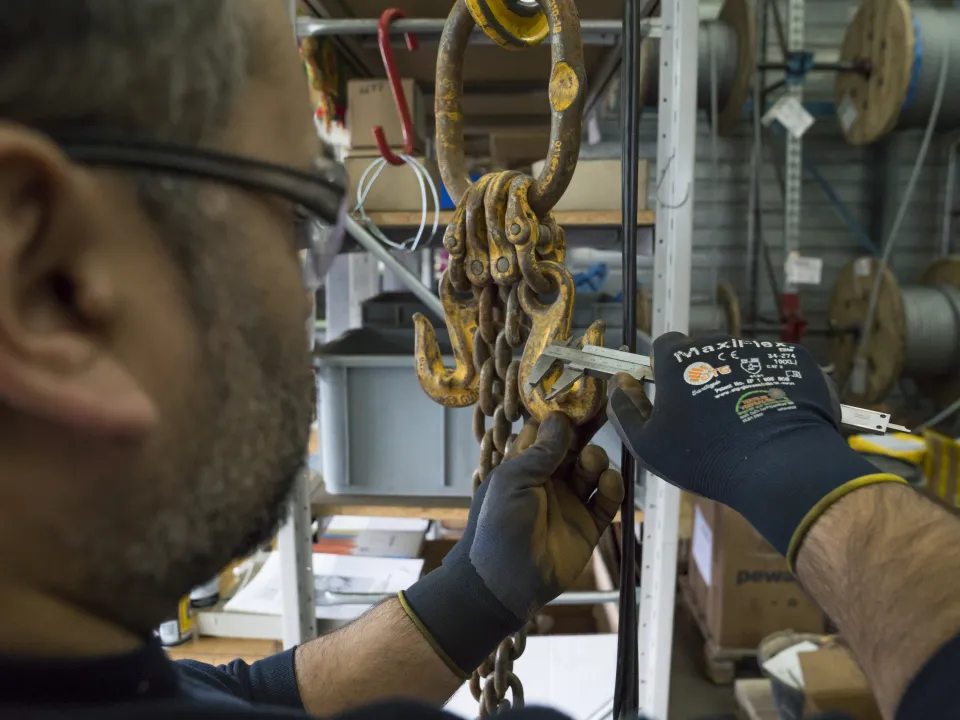
Steel Chain Maintenance and Inspection

Inspections must be performed on:

  • links that are cracked,
  • severe rust,
  • deformation caused by impact,
  • hooks that cannot close properly.

Damaged chains must be replaced immediately due to the very high risk of failure.

Case Study: Using Steel Chains for Heavy Equipment

For transporting an 18-ton excavator, the following were used:

  • Grade 80 chains with a WLL of 5.3 tons per leg,
  • a total of 4 securing legs,
  • securing points placed on the excavator’s lower frame.

Result: the load remained stable throughout the long-distance transport without shifting.

Packing and Load Arrangement Techniques

Proper load distribution ensures:

  • the center of mass remains centered,
  • pressure is not concentrated on one side,
  • the vehicle stays balanced.

Without proper load distribution, the risk of rollover increases by up to 30%.

Use of Protective Materials (Foam, Carton, Blocking-Bar)

Common protective materials include:

  • foam pads for fragile items,
  • corrugated cartons for item separation,
  • blocking bars to lock cargo position inside the truck,
  • dunnage bags to fill empty spaces in containers.

All are designed to prevent cargo shifting.

Filling Empty Spaces to Prevent Shifting

Empty spaces are the main cause of cargo movement. Filling can be done using:

  • airbags,
  • styrofoam pads,
  • wooden blocks,
  • rubber stoppers.

This creates lateral pressure that keeps the cargo in place.

Examples of Arranging Irregular-Shaped Loads

For irregular loads such as natural stone or machine components:

  • place larger items at the bottom,
  • fill gaps with blocking materials,
  • use a combination of ratchet lashing + proper packing,
  • ensure even weight distribution for stability.

Packing Standards for Land and Sea Transportation

Land transportation refers to:

  • the Load Restraint Guide,
  • maximum axle load distribution regulations.

Sea transportation follows:

  • IMO Guidelines,
  • CSC Container Standard,
  • International Maritime Dangerous Goods (IMDG) regulations for hazardous cargo.

Benefits of Using Proper Load Securing Methods

1. Preventing Damage to the Cargo

Using the correct securing tools such as ratchet lashing, webbing slings, or steel chains significantly reduces cargo damage. In the electronics industry, proper load-securing techniques can reduce damage by up to 75%.

2. Ensuring Worker and Driver Safety

Unstable loads can lead to fatal accidents. With proper securing techniques:

  • the risk of falling cargo is reduced,
  • forklift operators can work more safely,
  • truck drivers avoid vehicle stability issues.

3. Reducing Transportation Accident Risks

Logistics data shows that 20–25% of truck accidents are caused by shifting loads. Proper lashing can significantly reduce this figure.

4. Complying with Safety Regulations and Standards

Using proper securing methods helps companies comply with:

  • road safety regulations,
  • load restraint system standards,
  • environmental and safe-transport guidelines.

5. Improving Operational Efficiency and Productivity

Properly secured loads:

  • speed up loading and unloading times,
  • reduce damage-related claims,
  • increase customer confidence,
  • ensure a smooth and reliable distribution chain.

How to Choose the Right Load Securing Method

1. Identify the Type, Shape, and Weight of the Cargo

Selecting the correct securing method starts with understanding the cargo. You must determine:

  • type of goods,
  • total weight,
  • physical dimensions,
  • level of sensitivity.

For heavy loads such as construction equipment, ratchet lashing or steel chains are more suitable. For sensitive goods, webbing slings are the ideal choice. Ensure every securing device has a WLL (Working Load Limit) greater than the load weight.

2. Assess the Lifting or Load Capacity (WLL)

WLL determines the safe working load for each securing device. Choosing an incorrect WLL can lead to securing failure. Basic formula:

Total WLL ≥ 1.5 × cargo weight

For example, if the cargo weighs 4 tons, the minimum total WLL required is 6 tons, distributed across several securing points.

3. Match the Method to the Transport Vehicle

The type of transport vehicle influences the securing method, particularly:

  • flatbed trucks,
  • lowboy trailers,
  • 20/40 ft containers,
  • forklifts,
  • cranes.

Flatbed loads are best secured with ratchet lashing or steel chains, while crane lifting is safer with webbing slings.

4. Consider Environmental Conditions (Temperature, Chemicals, Humidity)

Harsh environments require specific securing materials:

  • High temperature → use steel chains, not webbing slings.
  • Chemical exposure → use corrosion-resistant securing devices.
  • Humid environments → use polyester webbing as it does not absorb water.

Example: In chemical plants, Grade 100 steel chains are commonly used due to superior chemical resistance.

5. Recommended Methods by Industry Type

  • Construction: steel chains + ratchet lashing
  • Electronics: webbing slings + foam protectors
  • Container logistics: ratchet lashing + dunnage bags
  • Automotive: combination of ratchet straps + webbing slings
  • Steel industry: high-grade steel chains

Correct selection reduces cargo damage and transportation costs.

Pre-Securing Inspection Procedure

1. Check the Condition of Straps, Chains, and Webbing

Mandatory inspections include:

  • surface condition of the webbing (cracks, wear, cuts),
  • rust on steel chains,
  • deformation on hooks,
  • integrity of reinforcement stitches on slings.

Damaged securing equipment can lose 50–70% of its strength.

2. Verify Anchor Points on the Vehicle

Before securing, ensure the anchor points on:

  • flatbed trailers,
  • container lashing points,
  • heavy equipment frames

are in good condition and free from corrosion or deformation.

3. Check Load Balance

Balance is a critical factor. The load must not be concentrated on one side, as it can:

  • increase fuel consumption,
  • cause vehicle instability,
  • lead to trailer rollover.

4. Standard Checklist Before Securing

The checklist includes:

  1. Load distributed evenly
  2. Straps and chains in good condition
  3. Correct WLL selected
  4. Strong anchor points
  5. Securing tension applied properly
  6. No large empty gaps

This checklist is a common SOP in the transportation industry.

Common Mistakes in Load Securing

1. Using Straps with Incorrect WLL

The most common mistake is using securing devices with a lower WLL than required. This leads to:

  • strap failure,
  • unstable loads,
  • drastically increased accident risk.

2. Insufficient Tension on Securing Devices

Loose securing allows the cargo to move during braking or cornering. Ratchet lashing must be tightened until no slack remains.

3. Uneven Cargo Arrangement

Uneven loads cause:

  • truck swaying,
  • unstable trailers,
  • internal cargo damage.

4. Not Performing Routine Inspections

Without routine checks:

  • ratchets may fail,
  • chains may break,
  • webbing may wear down.

Pre- and post-trip inspections are mandatory.

Using the Right Load Securing Methods for Safety and Efficiency

Proper load securing ensures safe transportation and reduces cargo damage. Methods such as ratchet lashing, webbing slings, and steel chains provide high stability depending on the type of cargo.

Long-Term Benefits of Proper Load Securing

The long-term benefits include:

  • operational efficiency,
  • worker safety,
  • regulatory compliance,
  • improved business reputation,
  • significant reduction in damage-related costs.

Final Recommendations for Logistics Companies

Companies should:

  • choose securing devices based on WLL,
  • conduct regular inspections,
  • train operators properly,
  • comply with international standards.

Contact Us for Professional Load Securing Consultation

Want to ensure your cargo is transported safely, securely, and in compliance with regulations?

Contact us for professional recommendations on the best load securing methods for your industry needs!

Interesting Articles

Work Equipment Inspection

_"Still usable"_ _When this magic phrase is spoken, INSPECTION is often neglected_ Work equipment plays a crucial role in supporting...


Find Us