Load Control

What Is a Ratchet Tie Down?

A Complete Explanation of Its Functions, Components, and How to Use It

What Is a Ratchet Tie Down?

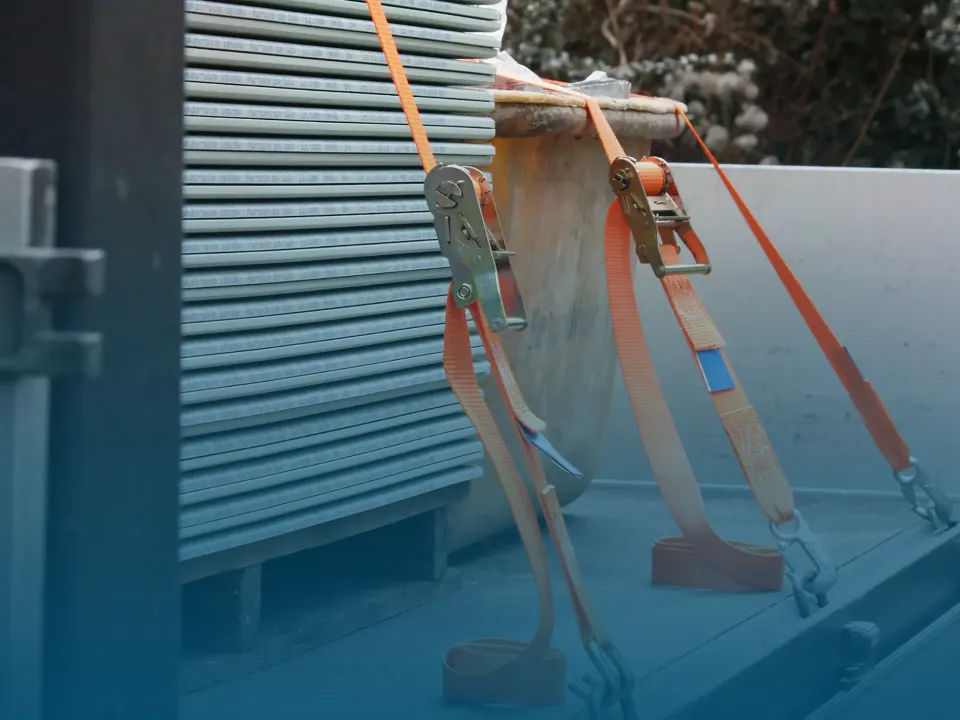
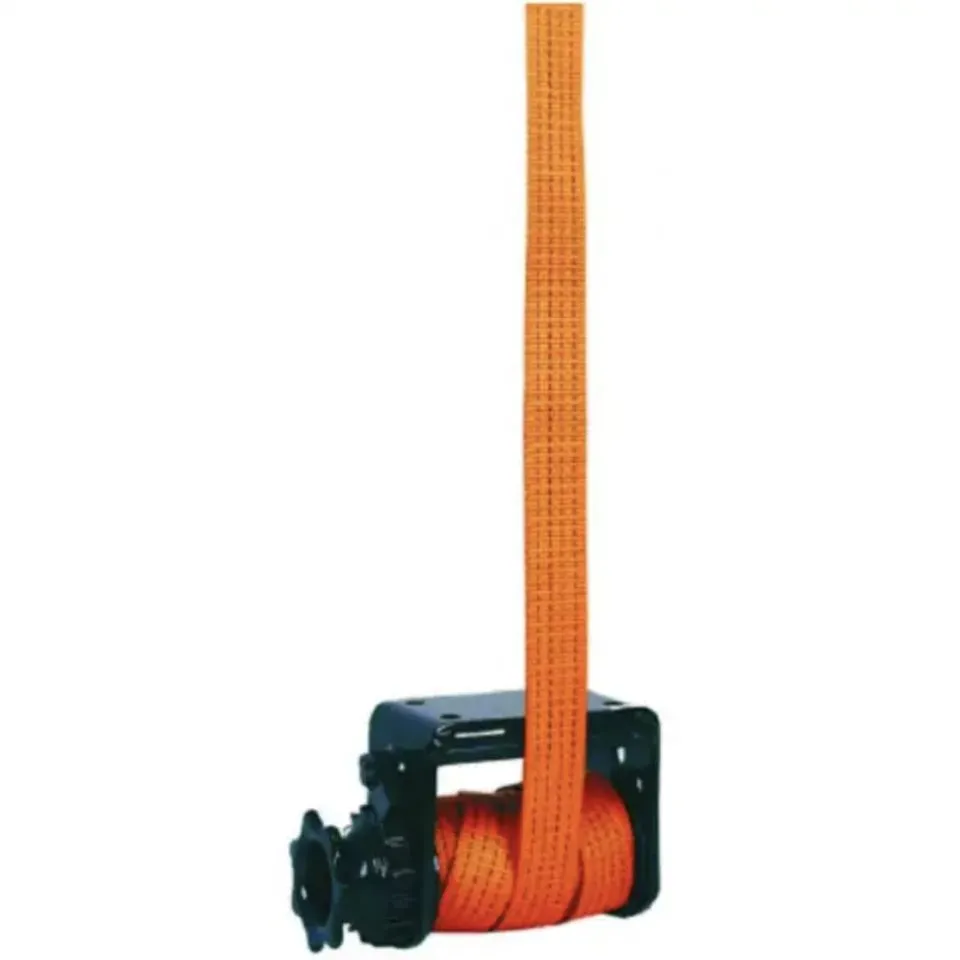
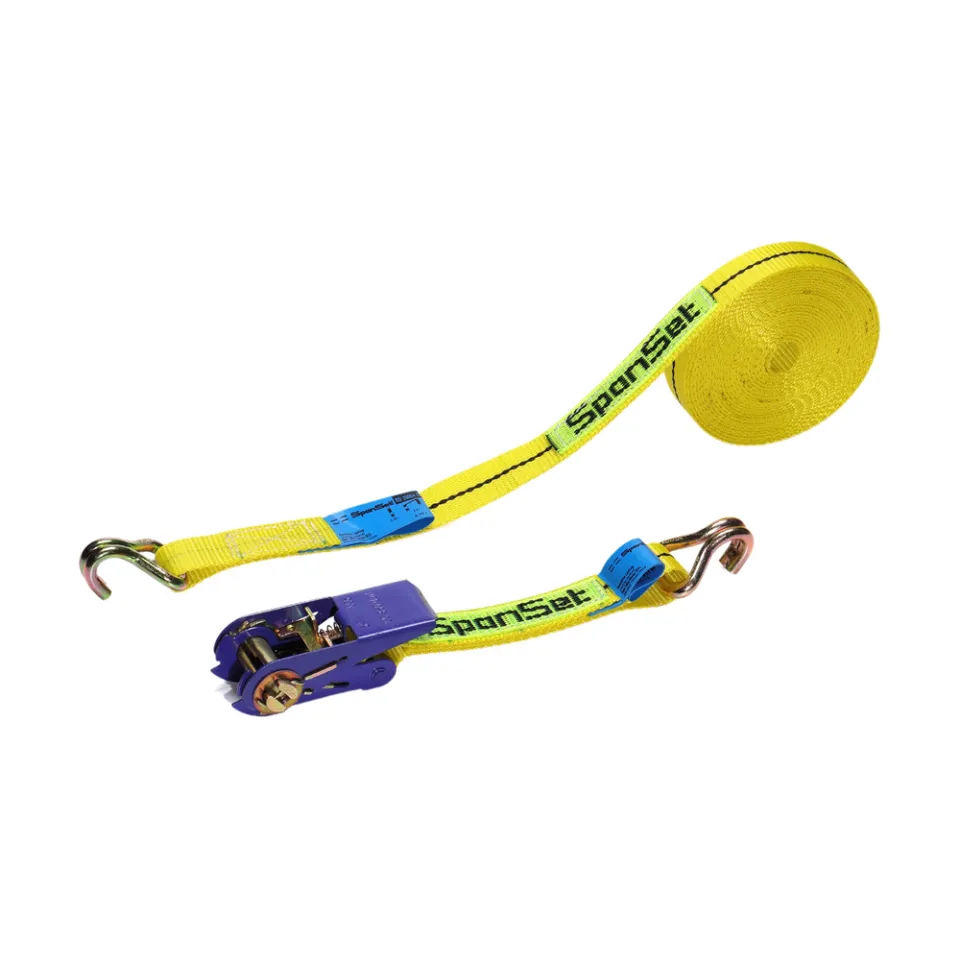
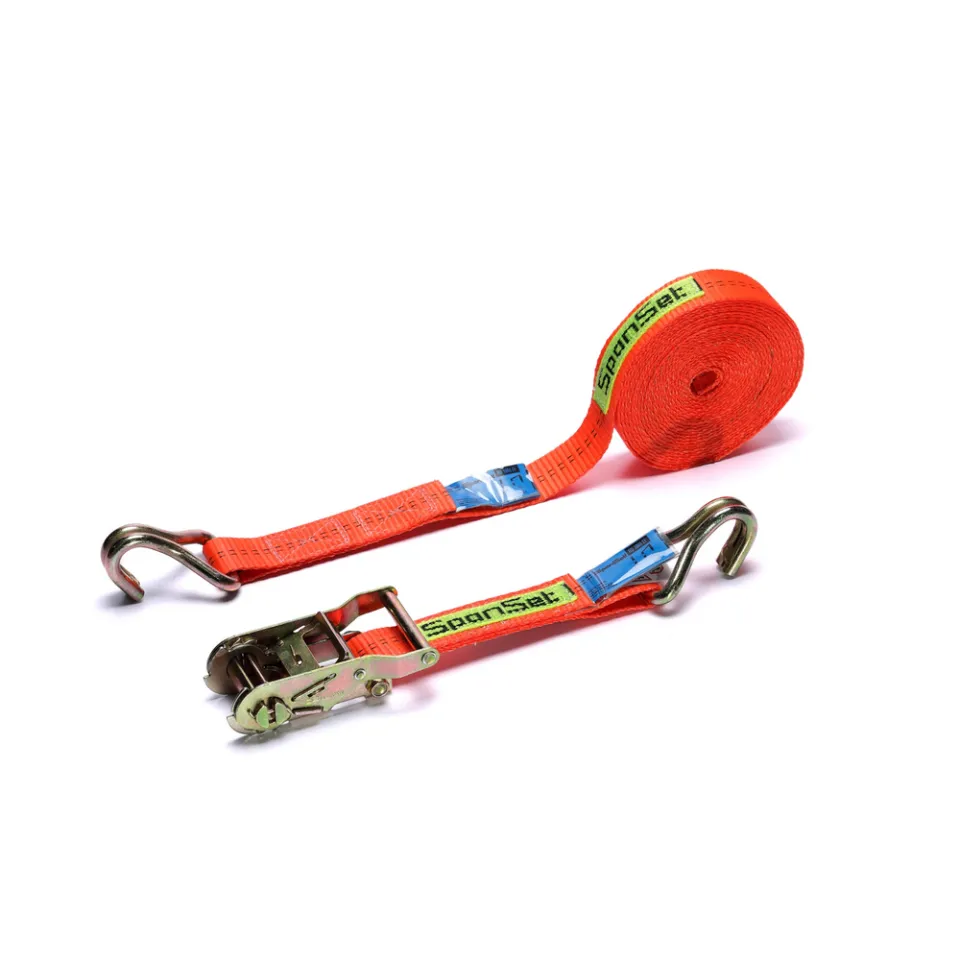
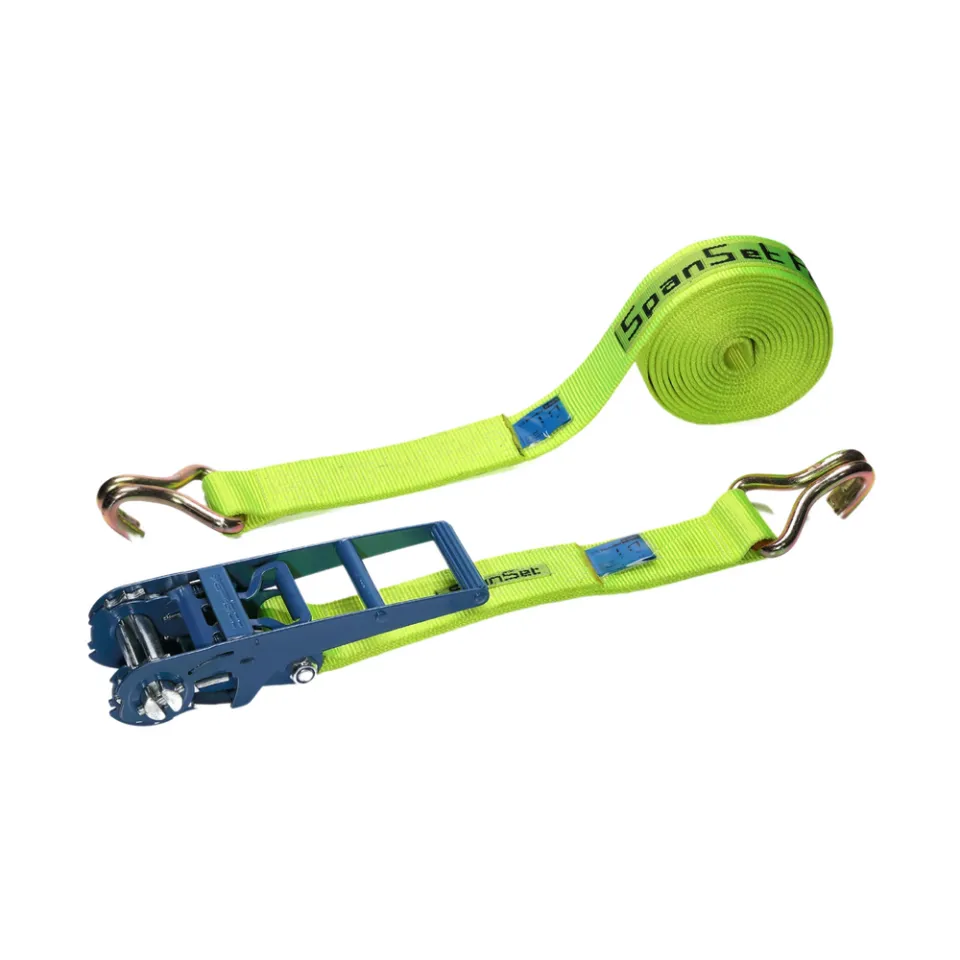
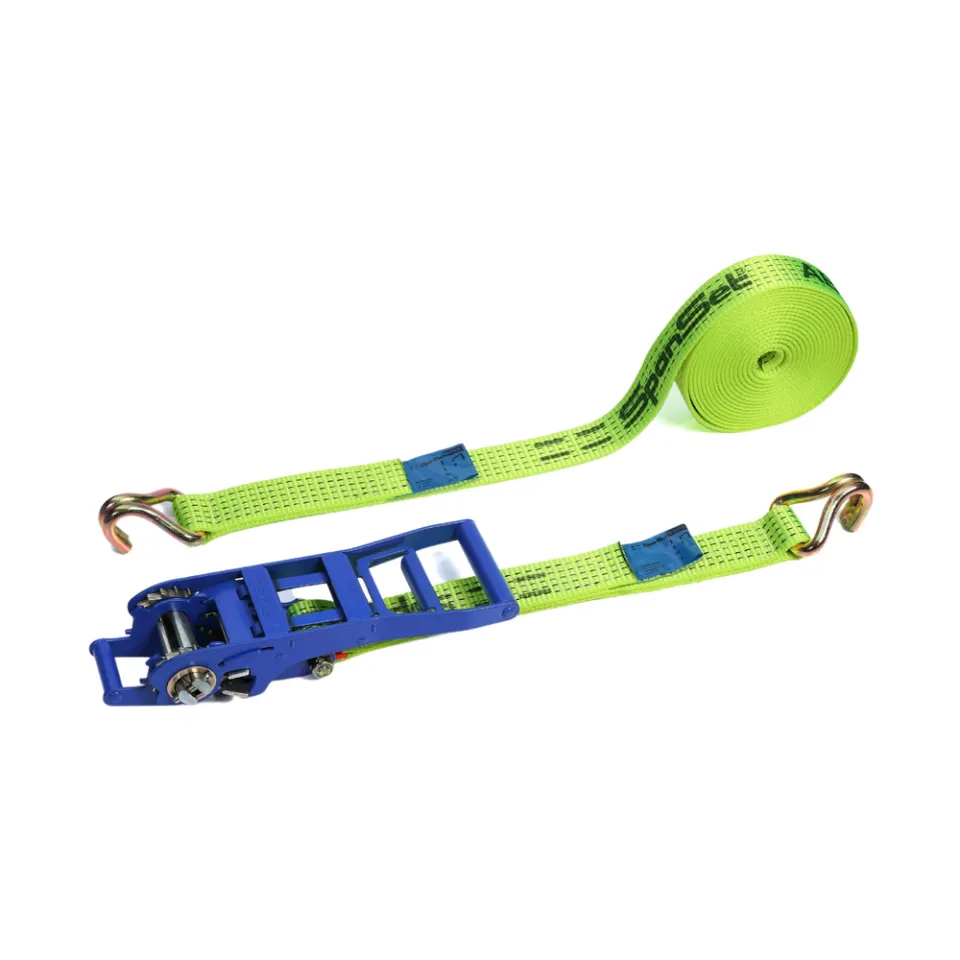
A Ratchet Tie Down is a load-securing device consisting of a polyester webbing strap and a ratchet tensioner designed to tighten the strap incrementally. The ratchet system operates using a mechanical gear mechanism, allowing the operator to apply precise tension without losing grip.

This tool is capable of handling high loads because it is manufactured according to standards such as:

  • EN 12195-2
  • AS/NZS 4380
  • GS Standard (Germany)

Main Functions of a Ratchet Tie Down

The main functions of a Ratchet Tie Down include:

  • securing loads safely,
  • providing optimal tension,
  • stabilizing cargo during transportation,
  • preventing shifting or falling of the load,
  • protecting items from damage.

This device is designed for repeated use and is suitable for both light and heavy industrial applications.

SPANSET INDONESIA TRAINING

Practical training for safety and work efficiency!

APPLY NOW

Main Components of a Ratchet Tie Down

1. Polyester Webbing Sling

The webbing is made from polyester (PES) because it offers:

  • low stretch,
  • abrasion resistance,
  • weather resistance,
  • high tensile strength.

The strength of the webbing is indicated by:

  • LC (Lashing Capacity)
  • WLL (Working Load Limit)

2. Ratchet Tensioner / Tightening Mechanism

The ratchet component is made from carbon steel or stainless steel, featuring a tightening system consisting of a handle and gear mechanism.

Its functions include:

  • incrementally tightening the webbing,
  • providing maximum clamping force,
  • locking the strap in place to prevent loosening.

3. Hooks at the End of the Webbing

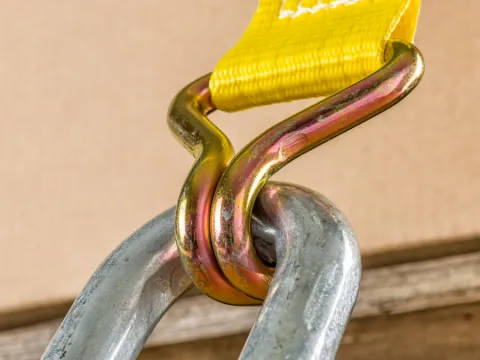
Hooks are used to attach the strap to the vehicle or container’s anchor points.

Types of hooks include:

  • Double J Hook
  • Flat Hook
  • S Hook
  • Claw Hook

4. Load Label

The label must display:

  • webbing length,
  • webbing width,
  • LC and STF capacity,
  • applicable standards,
  • material & production batch.

How a Ratchet Tie Down Works

  1. Attach the hook to the anchor point.
  2. Insert the end of the webbing into the ratchet mechanism.
  3. Pump the ratchet handle repeatedly until the strap is tight.
  4. The ratchet automatically locks the strap in place to prevent loosening.
  5. To release, simply press the release lever on the ratchet.

This system allows users to achieve strong tension without requiring excessive force.

Comparison of Ratchet Tie Downs with Other Securing Systems

A. Ratchet Tie Down vs. Regular Rope

Ratchet Tie Downs are far superior to natural fiber ropes or standard polypropylene (PP) ropes because they feature a tensioning mechanism, whereas regular ropes rely solely on knots.

Main differences include:

  • Tension → Ratchets can achieve a Standard Tension Force (STF) of 300–500 daN, while regular ropes cannot maintain stable tension.
  • Safety → Ratchets are equipped with a locking mechanism, whereas ropes can loosen due to vehicle vibrations.
  • Durability → Polyester webbing is resistant to UV, water, oil, and abrasion; regular ropes break easily.
  • Standardization → Ratchets comply with EN 12195-2, while manual ropes lack safety standards.

Conclusion: Ratchet Tie Downs are the recommended tool for modern load securing.

B. Ratchet Tie Down vs. Chain Binder

This comparison is important as both systems are commonly used in heavy-duty industries.

Advantages of Ratchet Tie Downs:

  • Lighter weight,
  • Does not damage cargo surfaces,
  • Easy to use,
  • Ideal for sensitive loads.

Advantages of Chain Binders:

  • Can handle very heavy loads (10 tons and above),
  • Suitable for heavy machinery, metal, and large vehicles.

Conclusion:
Use Ratchet Tie Downs for light to medium loads.
Use Chain Binders for heavy machinery and extreme loads.

Common Types of Ratchet Tie Downs

1. Based on Webbing Width

  • 25 mm → light loads such as motorcycles or cartons.
  • 35 mm → medium shipments.
  • 50 mm → standard for logistics and industrial use.

2. Based on Hook Type

  • S Hook → convenient for motorcycles or light goods.
  • J Hook → strong for industrial items.
  • Flat Hook → commonly used on trailer trucks.

3. Based on Load Capacity

  • 500–2000 kg → light to medium loads.
  • 5000 kg and above → industrial cargo.

Advantages of Using Ratchet Tie Downs

1. Safe and Stable

Ratchet Tie Downs feature a locking system that prevents the strap from loosening due to road vibrations, providing much greater stability compared to regular ropes.

2. Does Not Damage Cargo

Polyester webbing is soft and does not scratch surfaces such as glass, wood, or polished metal.

3. Durable

The webbing material is resistant to:

  • heat,
  • water,
  • oil,
  • UV exposure.

The ratchet mechanism is also coated to resist rust, ensuring long-lasting use.

4. Easy to Use

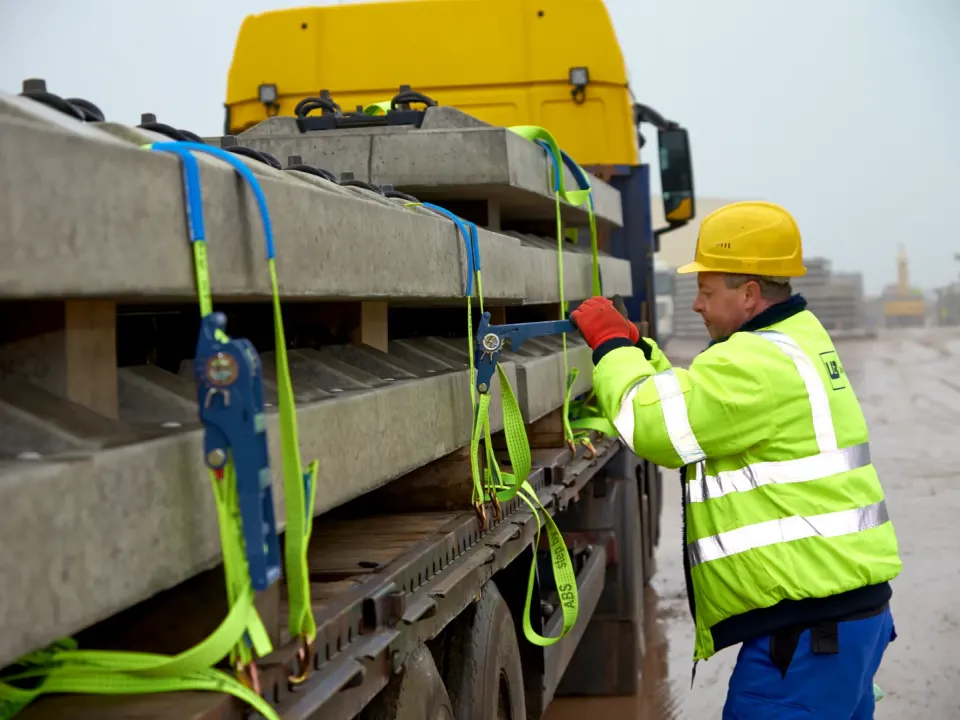
A single person can quickly secure a load with a Ratchet Tie Down without requiring complicated knotting techniques.

When to Use a Ratchet Tie Down

Here are some common examples of usage:

1. Motorcycle Transport

Motorcycles should be secured at four points to prevent shifting during transportation.

2. Truck Freight Delivery

Cartons, furniture, and industrial materials are tied down to prevent movement in the truck bed.

3. Transporting Construction Equipment

Pipes, wood, metal, and construction tools are typically secured using Ratchet Tie Downs.

4. Car Transport

Vehicles on trailers are secured with high-strength Ratchet Tie Downs.

Common Mistakes When Using a Ratchet Tie Down

1. Twisted Straps

Twisted straps reduce strength and accelerate wear.

2. Placing the Ratchet on Sharp Edges

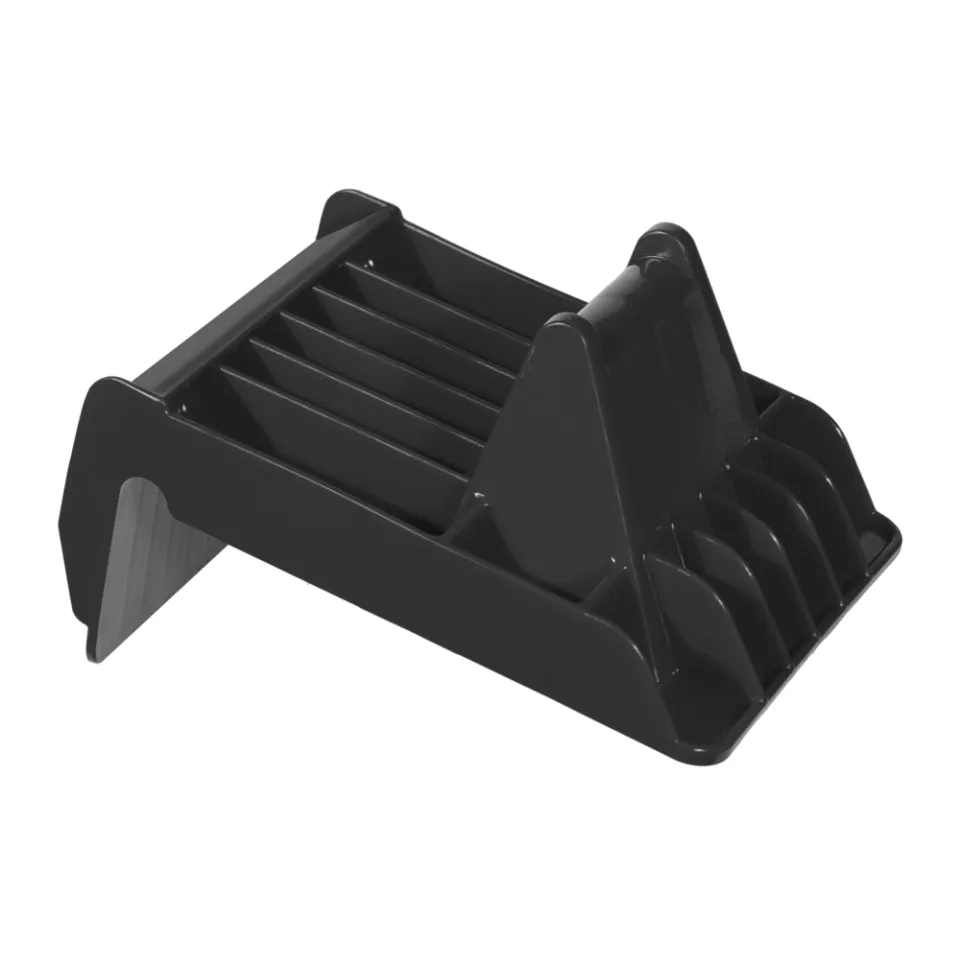
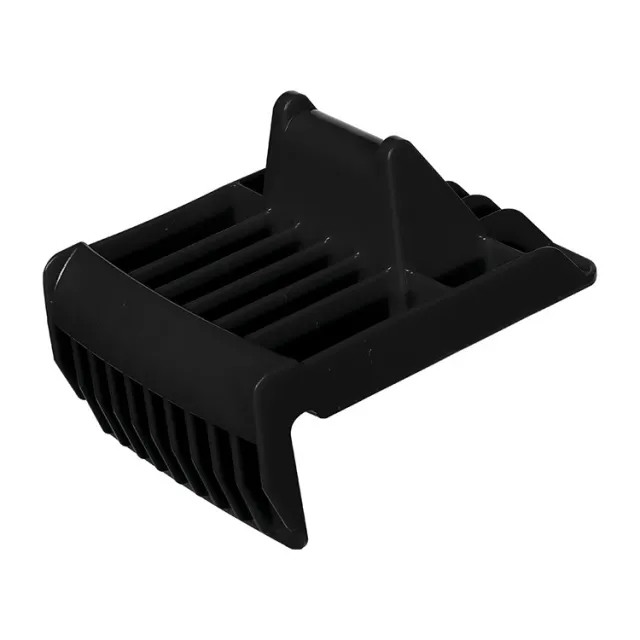
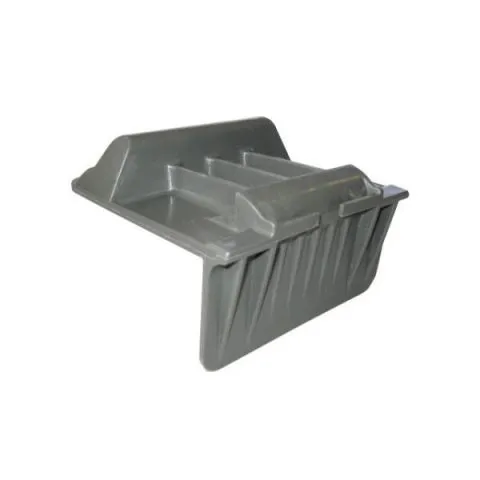
Webbing can tear when in contact with metal edges. Always use corner protectors.

3. Over-Tightening

Sensitive items such as electronics or glass can be damaged by excessive tension.

4. Not Checking Webbing Condition

Worn or torn webbing can lead to load-securing failure.

How to Maintain Ratchet Tie Downs for Longevity

  1. Store in a dry place away from direct sunlight.
  2. Clean webbing regularly to remove oil and dust.
  3. Lubricate the ratchet gear lightly with oil.
  4. Avoid using near harsh chemicals.
  5. Inspect hooks and straps before each use.

With simple maintenance, Ratchet Tie Downs can last for many years.

Conclusion

The Ratchet Tie Down is a strong, safe, and easy-to-use load securing device. With the combination of polyester webbing and a ratchet mechanism, it provides stable tension, keeping cargo secure during transportation.

This tool is suitable for a wide range of transport applications, from small items to industrial loads. Selecting the appropriate load capacity, hook type, and webbing length should be done according to specific needs.

When used and maintained properly, a Ratchet Tie Down offers maximum protection and reduces the risk of cargo damage during transit.

Interesting Articles

Work Equipment Inspection

_"Still usable"_ _When this magic phrase is spoken, INSPECTION is often neglected_ Work equipment plays a crucial role in supporting...

Find Us